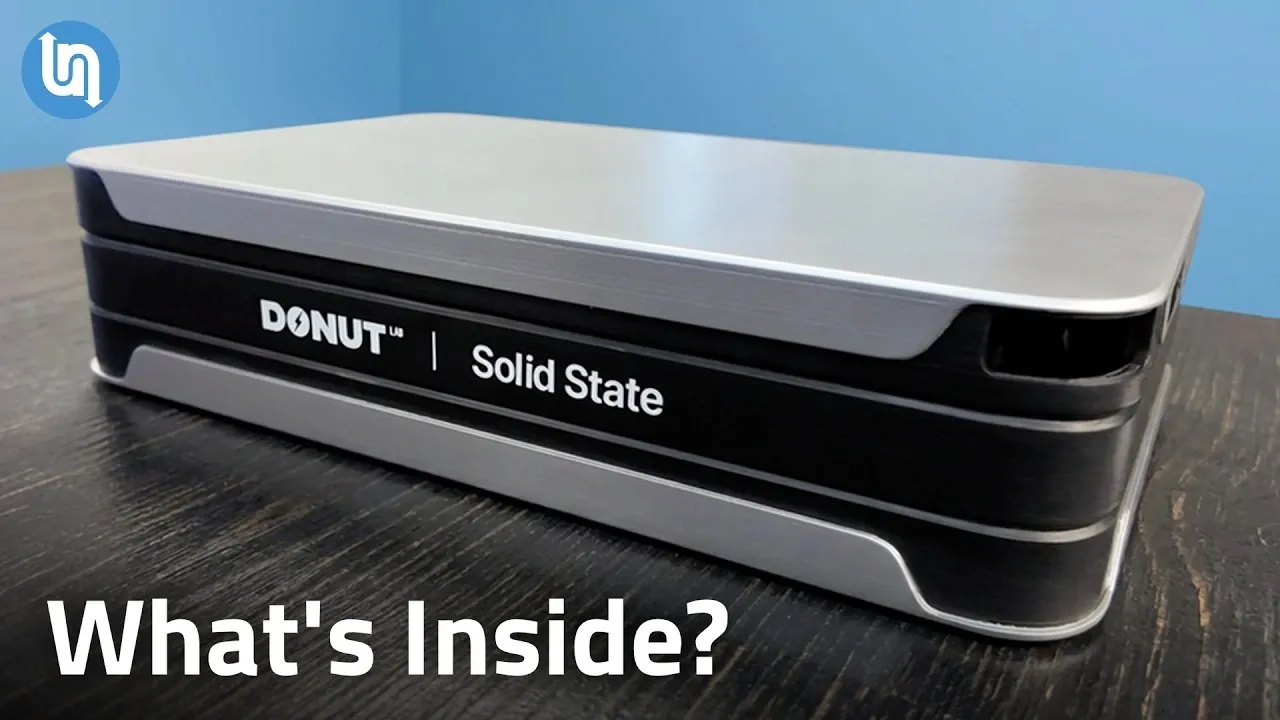
Donut Lab, a Finnish company, has introduced a new solid-state battery that challenges traditional energy storage concepts. As detailed by Undecided with Matt Ferrell, this battery achieves an energy density of 400 Wh/kg, charges fully in five minutes and endures 100,000 charge cycles. Unlike conventional designs, it uses abundant materials instead of lithium or cobalt, raising questions about whether it functions as a battery, a capacitor, or a hybrid due to its unique performance characteristics.
Discover the role of its bipolar design and advanced nanomaterials in achieving these results. Gain insight into the obstacles Donut Lab faces in scaling production and addressing skepticism from researchers. Learn how this technology might influence sectors like electric vehicles and renewable energy if its claims hold up under scrutiny.
Donut Lab’s Bold Battery Claims
TL;DR Key Takeaways :
- Donut Lab has unveiled a solid-state battery with new claims of 400 Wh/kg energy density, 5-minute charging, 100,000 charge cycles and no reliance on rare metals like lithium or cobalt.
- The battery’s innovative features, such as a bipolar design, customizable shapes and advanced nanomaterials, aim to enhance energy efficiency, durability and integration flexibility.
- Experts remain skeptical due to the lack of independent testing and concerns that the technology may function more like a capacitor or hybrid rather than a traditional battery.
- Key challenges include scaling production, maintaining transparency and avoiding the pitfalls of overpromising, which could harm the company’s credibility and investor confidence.
- If successful, the battery could transform industries like electric vehicles, renewable energy and global supply chains by addressing critical issues such as range anxiety, sustainability and resource dependency.
Donut Lab’s battery features specifications that far surpass the capabilities of current lithium-ion technology. These standout features include:
- Energy Density: With a remarkable 400 Wh/kg, the battery offers nearly double the energy density of today’s leading batteries, allowing lighter and more efficient energy storage solutions.
- Rapid Charging: The ability to fully charge in just five minutes could eliminate range anxiety for electric vehicle (EV) users, making EVs more practical for everyday use.
- Extended Lifespan: A lifespan of 100,000 charge cycles ensures significantly greater durability compared to existing alternatives, reducing the need for frequent replacements.
- Abundant Materials: By avoiding reliance on lithium, cobalt and other rare metals, the battery could lower production costs and alleviate supply chain pressures, particularly in the EV market.
These features, if successfully implemented, could address critical challenges in energy storage, including cost, sustainability, performance and accessibility. The potential to reduce dependency on scarce resources while enhancing battery performance makes this innovation particularly compelling.
Why Experts Are Skeptical
Despite the excitement surrounding Donut Lab’s claims, industry experts remain cautious. Achieving all these ambitious specifications simultaneously presents significant technical hurdles. Some researchers have suggested that the technology may rely on pseudo-capacitance, which combines characteristics of both batteries and capacitors. This theory arises from the battery’s rapid charging capability and extended cycle life, traits more commonly associated with capacitors than traditional batteries.
Donut Lab’s CEO has firmly denied these claims, asserting that the product is a genuine battery. However, the lack of detailed third-party testing data has fueled speculation. Without independent verification, questions about the battery’s underlying chemistry and performance remain unresolved. This uncertainty underscores the need for transparency and rigorous testing to validate the company’s bold assertions.

Become an expert in Solid-State Battery with the help of our in-depth articles and helpful guides.
- Donut Lab Solid-State Battery Test Results from VTT Explained
- Donut Lab Solid State Battery or Pseudo-Capacitor, Experts Weigh In
- Solid-State Battery or Capacitor? Donut Lab’s 100,000-cycle Claim
- Solid-State Battery CES 2026 : Donut Verge TS Pro Plans & Doubts
- Donut Lab Solid-State Battery Test: VTT Finds 110% Capacity at 80C
- Donut Lab Solid State Battery Claims, 400 Wh/kg and Fast Charge
- Donut Lab Battery Claims vs Test Data: No Energy Density or 100,000-Cycle Proof Yet
- Real-World Donut Lab Solid-State Battery Charging Performance
- New Donut Lab Solid-State Battery Made with Abundant, Non-Rare Materials
- CATL Sodium-Ion Battery Uses Water-Based Lines for Cheaper Cells
Innovative Design: A Closer Look
The design and manufacturing process of Donut Lab’s battery may hold the key to its new performance. Several innovative approaches have been highlighted:
- Bipolar Design: This architecture stacks cells to optimize energy flow and reduce the overall size of the battery, potentially enhancing both efficiency and performance.
- Customizable Shapes: Donut Lab has hinted at the use of screen-printing technology to create batteries in various shapes, offering flexibility for integration into diverse applications, from EVs to consumer electronics.
- Advanced Nanomaterials: The incorporation of nanocarbon materials, possibly sourced from Finnish startup Nordic Nano, allows for precise control over the battery’s internal structure, allowing enhanced energy density and durability.
These advancements suggest that Donut Lab is using innovative techniques to push the boundaries of what is possible in battery technology. However, the true extent of these innovations will only become clear with further testing and validation.
Challenges on the Road Ahead
While the potential of Donut Lab’s battery is immense, the company faces several significant challenges that could determine its success or failure. Key obstacles include:
- Lack of Transparency: The absence of detailed information about the battery’s chemistry and independent verification has raised doubts about the validity of the company’s claims.
- Scaling Production: Manufacturing the battery at scale while maintaining consistent quality and performance will be a critical test of Donut Lab’s capabilities.
- Risk of Overpromising: Comparisons to past failed battery breakthroughs, such as ETO and Fiser, highlight the dangers of setting expectations too high without delivering tangible results.
Failure to overcome these challenges could damage Donut Lab’s reputation and erode investor confidence. The company must navigate these hurdles carefully to maintain credibility and achieve its ambitious goals.
Progress and Industry Implications
Donut Lab has begun releasing third-party test results, though the details remain limited. Meanwhile, Verge Motorcycles, a Finnish EV manufacturer, has announced plans to integrate the battery into its electric bikes by the end of 2026. This timeline places significant pressure on Donut Lab to deliver a functional and reliable product within a relatively short timeframe.
If successful, the implications of this technology could be far-reaching:
- Electric Vehicles: The combination of rapid charging, high energy density and extended lifespan could accelerate the adoption of EVs by addressing key consumer concerns, such as range anxiety and battery longevity.
- Renewable Energy: Improved energy storage solutions could enhance the efficiency and reliability of solar and wind power systems, making renewable energy more viable on a larger scale.
- Global Supply Chains: By using abundant and widely available materials, the battery could reduce dependency on geopolitically sensitive resources, lowering costs and increasing accessibility for manufacturers worldwide.
These potential benefits underscore the fantastic impact that Donut Lab’s battery could have across multiple industries. However, the realization of these benefits hinges on the company’s ability to deliver on its promises and overcome the challenges it faces.
Looking Ahead
Donut Lab’s ambitious solid-state battery has ignited both excitement and skepticism within the energy storage industry. While the company’s claims are undeniably bold, the lack of transparency and independent verification leaves critical questions unanswered. As the industry awaits further proof, the potential for this technology to redefine energy storage remains both tantalizing and uncertain.
The coming years will be pivotal for Donut Lab as it works to validate its claims, scale production and meet the expectations it has set. Whether the company succeeds in delivering a innovative product or becomes another cautionary tale of overhyped innovation, one thing is clear: Donut Lab has sparked an important conversation about the future of energy storage and the possibilities of solid-state technology.
Media Credit: Undecided with Matt Ferrell
Disclosure: Some of our articles include affiliate links. If you buy something through one of these links, Geeky Gadgets may earn an affiliate commission. Learn about our Disclosure Policy.
