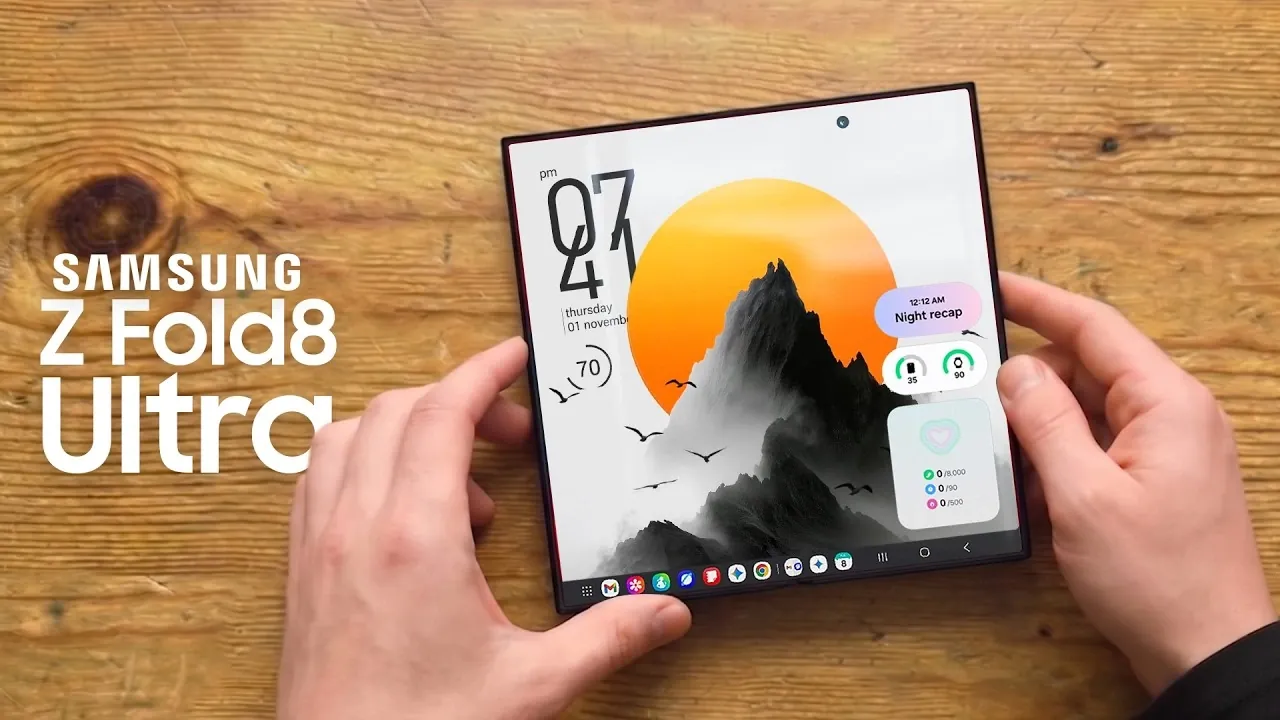
The Samsung Galaxy Z Fold 8 Ultra introduces a range of updates aimed at refining the foldable smartphone experience. From enhanced cameras to a lighter, more ergonomic design, Samsung continues to innovate in the competitive foldable market. However, evolving consumer preferences and rising production costs have influenced the company’s cautious sales outlook. Below, we explore the most significant updates and their implications for users and the broader market. The video below from TechTalkTV gives us more details on the handset.

1. Camera Enhancements: Sharper and Smarter
The Z Fold 8 Ultra debuts a new 24 MP photo mode integrated directly into its stock camera app, delivering professional-grade image quality without requiring manual activation. This feature, previously exclusive to the Galaxy S26 Ultra, improves the photography experience for users. However, the absence of this feature on older 200 MP Ultra models has sparked concerns about Samsung’s commitment to supporting its legacy devices. While the camera updates highlight Samsung’s focus on its flagship models, they also raise questions about the company’s long-term upgrade strategy for existing users.
2. Display Improvements: Sharper Visuals
Samsung has equipped the Z Fold 8 Ultra with one of the sharpest foldable displays on the market. The cover display now features 432 pixels per inch (PPI), while the main display achieves 403 PPI, a 10% improvement in sharpness compared to its predecessor, the Z Fold 7. These enhancements significantly improve visual clarity, making the device ideal for tasks such as media consumption, multitasking and gaming. However, the incremental nature of these updates may leave some users questioning whether the upgrade justifies the investment, especially if they already own a recent foldable model.
3. Design and Weight: Lighter and More Portable
Weighing just 201 grams, the Z Fold 8 is lighter than competitors like Huawei’s Pura X Max (229 grams) and the rumored iPhone Fold (250 grams). The Z Fold 8 Ultra, slightly heavier at 215 grams, features a thinner unfolded profile, enhancing portability and ergonomics. These improvements address one of the most common criticisms of foldable smartphones, their bulk, without compromising functionality. By reducing weight and refining the design, Samsung has made strides in creating a more user-friendly device that appeals to both casual and professional users.
4. Charging and Battery: Faster and Longer-Lasting
The Z Fold 8 series introduces 45 W fast charging, allowing for quicker power replenishment and improved convenience. Additionally, the battery capacity has been enhanced, making sure longer usage times for both models in the lineup. However, the Z Flip 8 retains its 25 W charging capability, with no upgrades in this area, which may disappoint users seeking uniform improvements across the series. These advancements cater to users who prioritize reliability and efficiency, though the lack of consistent upgrades across the lineup highlights a potential gap in Samsung’s approach to product development.
5. New Accessory: Carbon Standing Case
Samsung has unveiled the Carbon Standing Case, a sleek and functional accessory designed specifically for the Z Fold 8 series. Featuring a carbon-fiber finish, the case provides partial protection while maintaining the device’s slim profile. Its built-in stand adds practicality, making it ideal for video calls, media viewing, or hands-free multitasking. While not a innovative addition, the Carbon Standing Case reflects Samsung’s attention to detail in offering accessories that enhance the overall user experience. This accessory underscores the company’s commitment to providing practical solutions for its foldable lineup.
6. Sales Expectations: A Cautious Outlook
Despite the updates, Samsung has adjusted its sales forecast for the Z Fold 8 series, targeting 5–6 million units, a decline from the combined sales of the Z Fold 7 and Flip 7 models last year. The reduced demand for flip phones, which now account for less than 10% of foldable sales, has contributed to this conservative outlook. This cautious approach reflects the challenges of navigating a maturing foldable market, where consumer preferences are shifting and competition is intensifying. Samsung’s ability to adapt to these changes will be critical in maintaining its leadership in the foldable segment.
7. Market and Pricing Challenges
Rising production costs present another challenge for Samsung, as higher component prices may lead to increased retail prices for the Z Fold 8 series. This could potentially affect the device’s competitiveness in an already price-sensitive market. The company’s reduced shipment forecast highlights broader market challenges, including evolving consumer priorities and economic pressures. As foldable technology continues to mature, Samsung and other manufacturers must strike a balance between innovation and affordability to sustain their market positions and appeal to a wider audience.
The Samsung Galaxy Z Fold 8 Ultra: A Refined Experience
The Samsung Galaxy Z Fold 8 Ultra represents a significant step forward in foldable smartphone technology, offering notable improvements in areas such as camera performance, display quality and design. These updates enhance the overall user experience, making the device more appealing for a variety of use cases, from productivity to entertainment. However, tempered sales expectations and the potential for higher retail prices highlight the challenges of competing in a dynamic and evolving market. For consumers, the Z Fold 8 Ultra delivers a refined and versatile experience, but its value will ultimately depend on individual priorities, whether those include innovative features, portability, or budget considerations.
Source & Image Credit: TechTalkTV
Disclosure: Some of our articles include affiliate links. If you buy something through one of these links, Geeky Gadgets may earn an affiliate commission. Learn about our Disclosure Policy.
