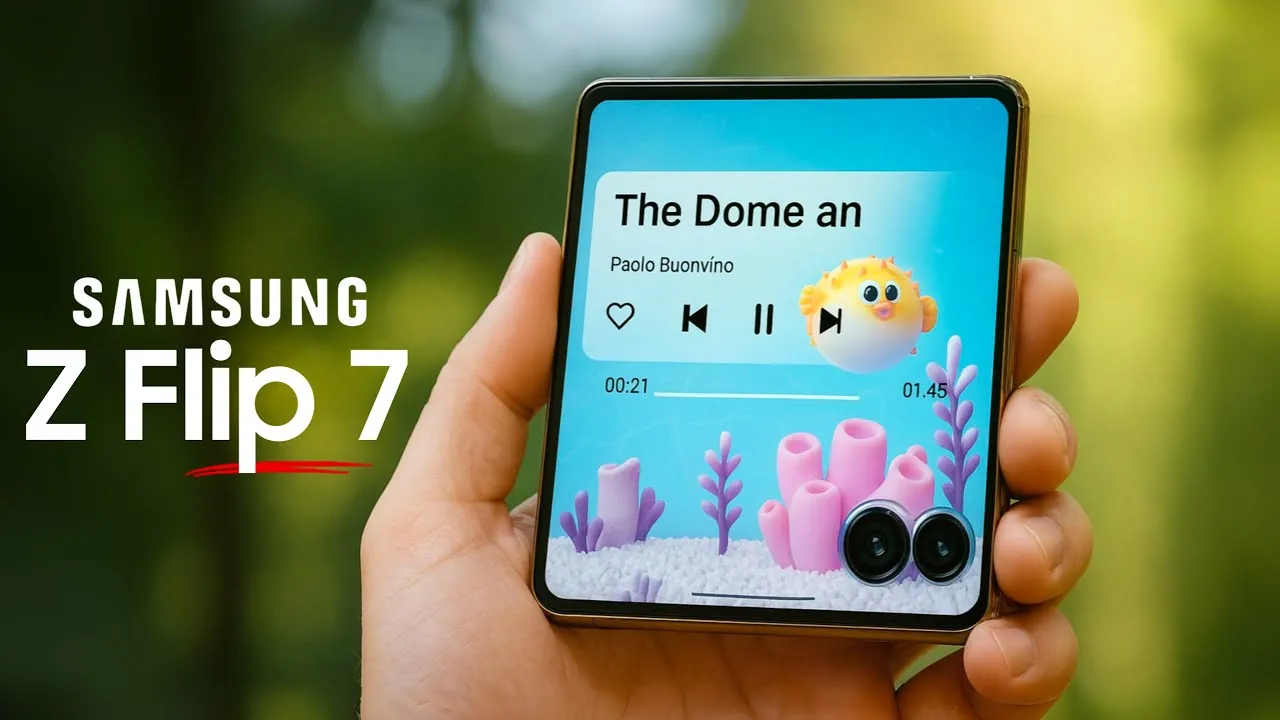
The Samsung Galaxy Z Flip 7 builds on its predecessor with a focus on refining the foldable smartphone experience. Featuring a larger cover display, subtle hardware upgrades, and its signature clamshell design, the device continues to appeal to users seeking a blend of portability and premium aesthetics. However, certain limitations, such as restricted cover screen functionality and modest performance improvements, may temper its appeal for some. Positioned as a direct competitor to Motorola’s RAZR series, the Galaxy Z Flip 7 highlights Samsung’s ongoing commitment to leading the foldable smartphone market.

A Larger Cover Display: Enhanced Usability with Limits
One of the most notable updates to the Galaxy Z Flip 7 is its expanded cover display, which now measures 4 inches, up from 3.5 inches in the previous model. This larger screen wraps seamlessly around the dual-camera module, creating a design that draws comparisons to Motorola’s RAZR series. The additional screen real estate enhances usability, allowing users to check notifications, control music, and interact with widgets more conveniently without unfolding the device.
Despite the improved size, the cover screen’s functionality remains limited. While it supports basic tasks, running full applications directly on the smaller display is not natively supported. Users seeking more versatility may need to rely on third-party solutions, which can be inconsistent and cumbersome. This limitation could be a drawback for those expecting a more seamless and flexible experience from a premium foldable device.
Clamshell Design: Compact, Stylish, and Familiar
The Galaxy Z Flip 7 retains its iconic clamshell design, a hallmark of Samsung’s foldable lineup. This compact form factor appeals to users who prioritize portability while still enjoying a large screen when the device is unfolded. The external design remains largely unchanged, but the sleek build and durable hinge mechanism continue to exude a premium aesthetic.
While the design does not introduce innovative changes, the clamshell format remains a strong selling point. It offers a nostalgic nod to classic flip phones while delivering a modern, stylish take on smartphone design. For users who value both practicality and elegance, the Galaxy Z Flip 7 strikes a well-balanced chord, blending familiarity with innovation.
Hardware Upgrades: Incremental but Noteworthy
Underneath its sleek exterior, the Galaxy Z Flip 7 introduces incremental hardware updates aimed at improving performance and usability. Samsung has transitioned from Qualcomm’s Snapdragon processors to its in-house Exynos 2500 chip, a move that could enhance integration and cost efficiency. However, concerns linger about the Exynos processor’s performance and efficiency, given its mixed reputation in previous devices.
The device is equipped with 12 GB of RAM and offers storage options of up to 512 GB, catering to users with demanding multitasking and storage needs. Additionally, the battery capacity has been slightly increased to 4,300 mAh, which may provide better endurance for daily use. However, the charging speed remains capped at 25W, a limitation in a market where faster charging solutions are becoming increasingly common. These updates, while modest, contribute to the device’s overall appeal for users seeking reliable performance in a foldable form factor.
Market Position: Competing in the Foldable Segment
Samsung has positioned the Galaxy Z Flip 7 as a direct competitor to Motorola’s RAZR lineup, particularly in the U.S. market. The larger cover display and refined design aim to attract users who are drawn to foldable smartphones but seek a balance between style and functionality. By using its established reputation in the foldable segment, Samsung aims to maintain its leadership amid growing competition.
However, the Galaxy Z Flip 7’s incremental updates may not be enough to entice users who already own its predecessor or are considering alternatives. Its success will likely depend on how well it meets user expectations for performance, usability, and innovation in a rapidly evolving market. As competitors like Motorola continue to innovate, Samsung must ensure its foldable lineup evolves to stay ahead of shifting consumer demands.
Challenges and Considerations
Despite its strengths, the Galaxy Z Flip 7 faces several challenges. The limited functionality of the cover screen could deter users who expect more versatility from a high-end device. Additionally, the reliance on the Exynos 2500 processor raises questions about performance consistency, particularly for users accustomed to Snapdragon-powered models.
The clamshell design and foldable display remain appealing, but the lack of new features may leave some potential buyers underwhelmed. As the foldable smartphone market becomes increasingly competitive, Samsung must address these limitations to ensure its devices remain compelling options for consumers.
The Galaxy Z Flip 7 represents a thoughtful evolution of the foldable smartphone concept. Its larger cover display, refined clamshell design, and incremental hardware improvements enhance portability and style. However, limitations in functionality and modest upgrades may leave some users questioning its value, especially if they already own a previous model. For those seeking a premium foldable device, the Galaxy Z Flip 7 offers a compelling option, but it stops short of delivering the fantastic leap forward that some may have anticipated.
Here are more detailed guides and articles that you may find helpful on the Samsung Galaxy Z Flip 7.
- Samsung Galaxy Z Flip 7 Features, Specs, and Release Date
- Everything We Know About the Samsung Galaxy Z Flip FE
- Everything You Need to Know About the Samsung Galaxy Z Flip
- Samsung Galaxy Z Flip: Top Features and Upgrades
- Samsung Galaxy Z Flip: Price, Release Date, and Key Upgrades
Source & Image Credit: Demon’s Tech
Disclosure: Some of our articles include affiliate links. If you buy something through one of these links, Geeky Gadgets may earn an affiliate commission. Learn about our Disclosure Policy.
