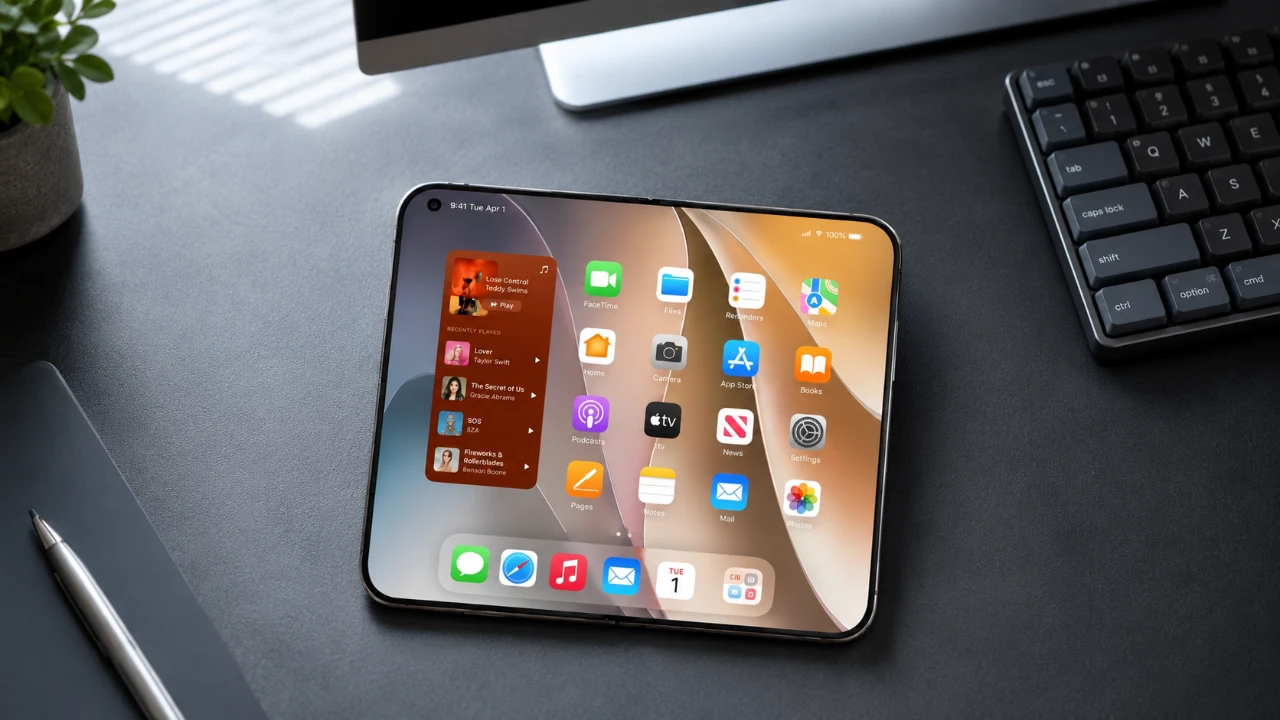
Apple’s introduction of the iPhone Ultra, its first foldable smartphone, marks a significant step in the company’s technological journey. This device combines innovation with compromise, offering a glimpse into the future of Apple’s design philosophy while raising questions about its practicality and value. If you’re considering this highly anticipated product, understanding its features, limitations, and implications is crucial. Here’s an in-depth look at what the iPhone Ultra brings to the table and what it means for you as a user in a new video from Techtics.

Key Compromises in Camera Technology
The iPhone Ultra’s foldable design imposes certain constraints, particularly in its camera capabilities. Unlike the iPhone 18 Pro Max, which features an adjustable aperture for enhanced photography, the Ultra sacrifices this advanced hardware to accommodate its slim, foldable form factor. This trade-off may impact your ability to capture high-quality images, especially in low-light or dynamic conditions. For photography enthusiasts who prioritize innovative camera performance, this limitation could feel like a step backward. However, for casual users, the Ultra’s camera may still deliver satisfactory results, albeit without the advanced features found in Apple’s flagship non-foldable models.
No Face ID: A Return to Touch ID
One of the most notable changes in the iPhone Ultra is the absence of Face ID, a feature that has become synonymous with Apple’s recent devices. The foldable screen’s design constraints prevent the integration of this biometric technology. Instead, Apple has reintroduced Touch ID, which is embedded in the power button. While Touch ID is a reliable and familiar alternative, it lacks the convenience and advanced security of Face ID. This shift may influence your overall experience, particularly if you’ve grown accustomed to the seamless functionality of Face ID in previous iPhone models.
Missing Buttons and MagSafe Functionality
Apple has made additional design changes with the iPhone Ultra, removing some hallmark features that users have come to rely on. The action button and mute switch, staples of the iPhone experience, are absent in this model. Furthermore, the device does not include built-in MagSafe compatibility, a feature that has become integral for wireless charging and accessory attachment. To use MagSafe with the Ultra, you’ll need to purchase a compatible case, adding to the already substantial cost of the device. These omissions may affect your daily usage and could be a deciding factor if you rely heavily on these features.
Stylus Support and Screen Durability
While Apple explored the possibility of stylus support for the iPhone Ultra, it ultimately decided against it due to concerns about the fragility of the foldable screen. This decision places the Ultra at a disadvantage compared to competitors like Samsung, which offers stylus functionality with its foldable devices. Additionally, the foldable screen raises questions about durability, as it is inherently more delicate than traditional smartphone displays. If you prioritize a robust and long-lasting device, the Ultra’s screen may not meet your expectations, particularly under heavy or frequent use.
Durability Challenges
Durability is a critical consideration for any foldable device and the iPhone Ultra is no exception. Unlike some competitors, the Ultra is not dustproof, leaving it vulnerable to debris entering its hinges and moving parts. The foldable design also increases the risk of wear and tear over time, making it less resilient than traditional smartphones. For users who value longevity and reliability, these durability concerns are significant and could influence your decision to invest in this first-generation product.
The eSIM-Only Transition
The iPhone Ultra is expected to be Apple’s first globally eSIM-only device, signaling the company’s commitment to a SIM-free future. While this aligns with Apple’s vision of streamlined connectivity, it may pose challenges in regions where eSIM infrastructure is limited or inconsistent. If you frequently travel or live in an area with limited eSIM support, this transition could complicate your ability to stay connected. Understanding the implications of this shift is essential, particularly if you rely on physical SIM cards for flexibility and convenience.
First-Generation Risks
As with any first-generation product, the iPhone Ultra comes with inherent risks. Early adopters may encounter unforeseen issues that are typically resolved in subsequent iterations. Foldable devices, in particular, are known to depreciate quickly, with many losing significant value within the first year of release. If you’re concerned about long-term investment value or prefer a more polished experience, waiting for a second-generation model might be a wiser choice.
High Repair Costs
Repairing the iPhone Ultra, especially its inner foldable screen, is significantly more expensive compared to traditional smartphones or even rival foldable devices. Apple’s repair costs for this model are notably higher, reflecting the complexity of its design. If you encounter issues with the screen or hinges, you could face substantial repair bills, further increasing the overall cost of ownership. This is an important factor to consider, particularly if you’re prone to accidental damage or plan to keep the device for an extended period.
Price vs Value
The iPhone Ultra is one of the most expensive foldable phones on the market, raising questions about its overall value for money. While it introduces innovative features and represents Apple’s bold entry into foldable technology, the compromises in durability, functionality and features may outweigh the benefits for many users. For those who prioritize innovative design and are willing to accept the trade-offs, the Ultra may be an exciting option. However, for the majority of users, the high price tag and associated risks make it a less compelling choice.
Should You Buy the iPhone Ultra?
The iPhone Ultra is a testament to Apple’s ability to innovate and push the boundaries of smartphone design. However, it comes with significant trade-offs, including camera limitations, durability concerns and a steep price tag. If you’re an early adopter eager to experience Apple’s first foldable phone, the Ultra offers a unique opportunity to explore the future of mobile technology. For most users, however, waiting for a more refined second-generation model may be the smarter choice. Carefully evaluate whether the excitement of owning this innovative device outweighs the risks and compromises it entails.
Here are additional guides from our expansive article library that you may find useful on iPhone Ultra.
- iPhone Ultra Fold Launch Date Reportedly Confirmed by Leak
- See the First Hands-on Video of the iPhone Fold Ultra
- iPhone Ultra Leaks Reveal 2nm A20 Chip, 12GB RAM and 4.5mm Chassis
- iPhone Ultra Fold Changes Everything
- New iPhone Ultra Leak Points to Apple’s Biggest Surprise Yet
Source & Image Credit: Techtics
Disclosure: Some of our articles include affiliate links. If you buy something through one of these links, Geeky Gadgets may earn an affiliate commission. Learn about our Disclosure Policy.
