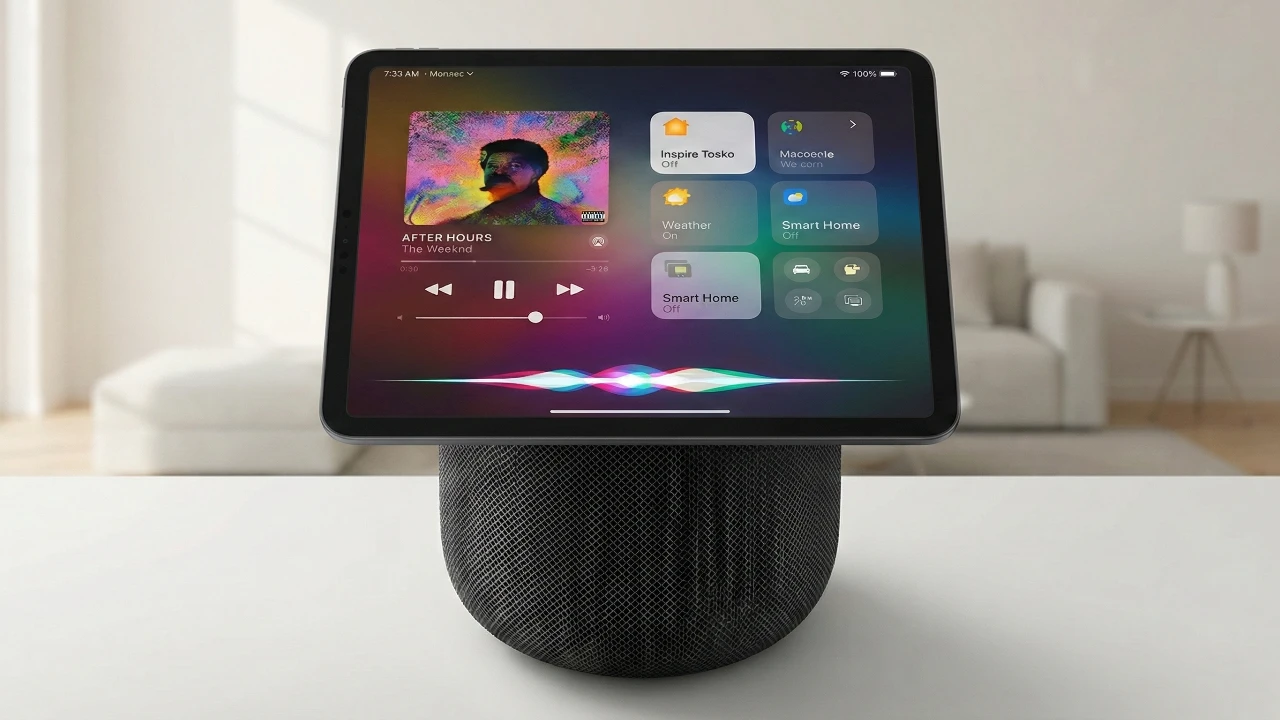
Apple is preparing to release its latest smart home device, the “Home Hub,” on October 13, 2026. Positioned as a central control point for Apple’s smart home ecosystem, the Home Hub combines elegant design with advanced technology. However, its reception in the competitive smart home market may hinge on critical factors such as pricing and its necessity as a standalone product. The video below from SaranBytre gives us more details about the new Apple Home Hub or HomePad.

Design and Features: Where Aesthetics Meet Practicality
The Home Hub’s design reflects Apple’s signature focus on aesthetics and usability. Featuring a compact 6-inch square display mounted on a round speaker base, the device draws inspiration from the iconic iMac G4. Apple offers two configurations to suit different preferences: a tabletop version with a tiltable display and a wall-mounted option. This flexibility allows you to integrate the device seamlessly into your home’s layout.
To cater to diverse tastes, the Home Hub is available in four color options: silver, space gray, starlight and rose pink. However, the device requires constant power through a USB-C connection, as it lacks a built-in battery. While this ensures consistent performance, it limits portability, which may be a drawback for users seeking more versatile placement options.
The design prioritizes both form and function, but the absence of a battery could be a sticking point for those who value mobility in their smart home devices. Still, the Home Hub’s sleek appearance and adaptable configurations make it a visually appealing addition to any modern home.
Advanced Functionality: Personalized and Intuitive
The Home Hub is engineered to provide a highly personalized user experience. Using advanced voice and facial recognition technology, the device identifies individual users and customizes responses accordingly. For example, when you ask Siri for updates, the Home Hub can deliver tailored information, such as your calendar events, reminders, or even preferred music playlists.
A standout feature is its “Visitor Mode,” which protects your personal data when guests interact with the device. This thoughtful addition ensures privacy without compromising functionality. The integration of AI-powered Siri enhances the device’s contextual understanding, allowing it to adapt to your needs and preferences seamlessly.
The Home Hub’s interface is designed for simplicity and accessibility. It includes widgets, clocks, and quick access to essential information, making it easy for all household members to navigate. By combining advanced technology with user-friendly features, the Home Hub aims to deliver a smart home experience that feels both intuitive and efficient.
Challenges: Price and Practicality
Despite its innovative features, the Home Hub faces significant challenges that could impact its adoption. Pricing is a primary concern, with speculation suggesting a starting price of over $299. For households considering multiple units to cover different rooms, the cost could quickly escalate, making it less appealing to budget-conscious consumers.
Another potential issue lies in the reliability of its facial recognition technology. While convenient, it may not achieve the same level of precision as the iPhone’s Face ID, potentially leading to inconsistent performance. Additionally, the device relies on iPhone authentication for certain tasks, which could be inconvenient for users without an iPhone or those seeking a fully independent smart home device.
These challenges highlight the importance of balancing innovation with practicality. While the Home Hub offers advanced features, its price and reliance on other Apple devices may limit its appeal to a broader audience.
Market Positioning: Competing in a Crowded Landscape
Apple has positioned the Home Hub as a dedicated smart home device that integrates seamlessly with its existing ecosystem, including HomeKit, Siri and Apple TV. This strategic placement puts it in direct competition with established products like Amazon Echo and Google Nest displays. Unlike an iPad, which serves multiple purposes, the Home Hub is designed specifically for home use, offering a simplified and focused experience for users who may not be tech-savvy.
By emphasizing ease of use and integration, Apple aims to attract consumers already invested in its ecosystem. The Home Hub’s ability to act as a central control point for connected devices could make it an appealing choice for those seeking a streamlined smart home experience. However, its success will depend on whether it can differentiate itself from competitors and justify its price point.
Debate: Is the Home Hub Necessary?
The necessity of the Home Hub as a standalone product has been a topic of debate. Critics argue that a docked iPad could provide similar functionality without requiring an additional device. This raises questions about whether the Home Hub offers enough unique value to warrant its existence.
For families considering multiple units, the high price may outweigh the benefits, especially for those who already own devices like the iPad or HomePod mini. While the Home Hub is designed to simplify the smart home experience, its overlap with existing Apple products could limit its appeal to a niche audience.
Balancing Innovation with Practicality
The Home Hub represents Apple’s latest effort to expand its presence in the smart home market. With its sleek design, personalized functionality and seamless integration into Apple’s ecosystem, it has the potential to enhance the smart home experience for users seeking a dedicated device. However, its success will depend on how effectively Apple addresses concerns about pricing, reliability, and the need for a standalone product.
As the smart home market continues to evolve, the Home Hub’s ability to balance innovation with practicality will be crucial. Whether it becomes a must-have addition to your home or remains a niche product will ultimately depend on how well it meets the needs and expectations of its target audience.
Enhance your knowledge of Apple HomePad by exploring a selection of articles and guides on the subject.
- What to Expect From Apple’s October 13 Event
- Oops: Apple Accidentally Leaks a Whole Wave of Unreleased Products
- Surprise Apple Event Ahead? Leaks Point to New iPads, HomePods, and More
- Apple’s October Event Leak Reveals 5 Expected New Products
- Beyond the iPhone 18: Apple’s Massive Fall Lineup Includes a Major First
- Why Apple’s HomePad Could Be the Future of Home Automation
Source & Image Credit: SaranByte
Disclosure: Some of our articles include affiliate links. If you buy something through one of these links, Geeky Gadgets may earn an affiliate commission. Learn about our Disclosure Policy.
