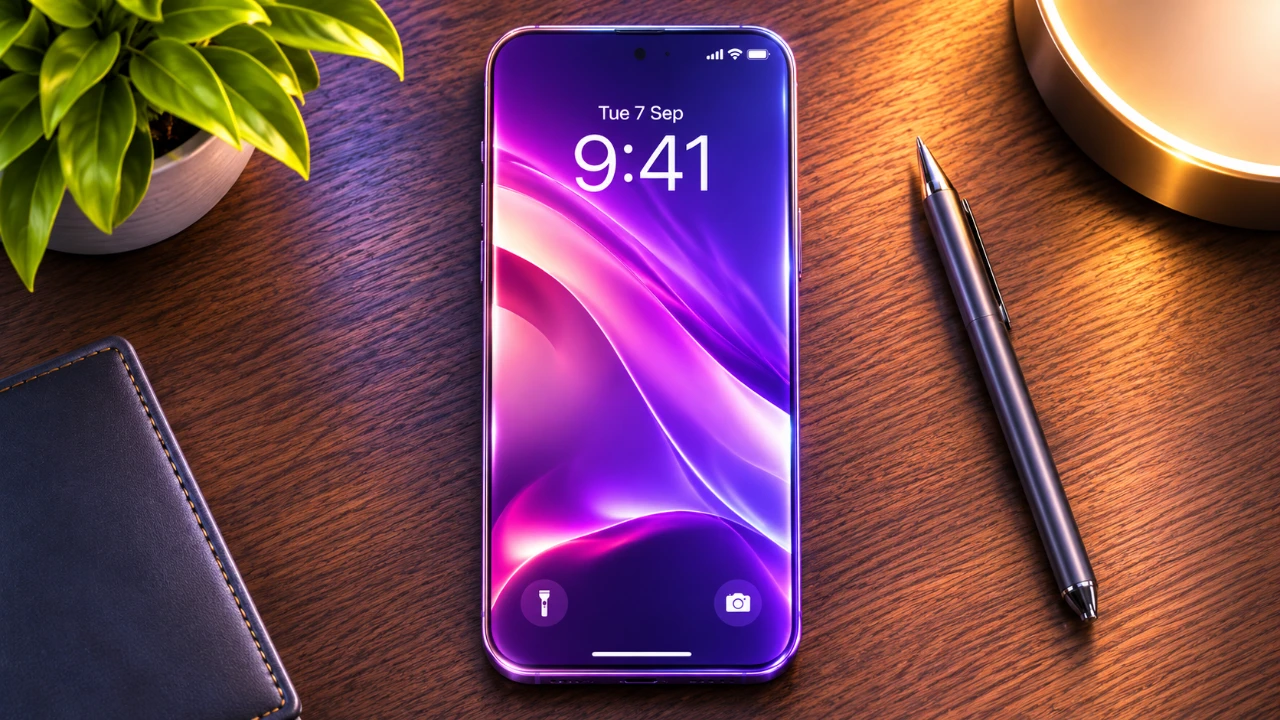
Apple has not officially announced a standalone AI agent or confirmed whether it will replace the Siri brand, yet newly uncovered job postings and industry reports suggest the company is developing a far more autonomous assistant ahead of late 2027. Following Apple’s rollout of context-aware Siri AI features in iOS 27 earlier this fall, fresh recruitment listings point to a proactive, goal-driven AI system capable of writing code, browsing the web, and executing multi-step tasks across applications—potentially aligning with the OS 28 software cycle and Apple’s rumored 20th-anniversary iPhone 20 hardware. The video below from Demon’s Tech breaks down the latest reports.
TL;DR Key Takeaways :
- Apple Job Listings Reveal Agentic Push: Recently spotted Apple recruitment posts—including a role for a “senior engineering manager for a proactive, agentic AI assistant”—confirm active work on autonomous AI systems.
- Beyond Single-Step Siri AI: Unlike current Siri AI features that rely on individual user prompts, the rumored agent is designed to plan, execute, and complete multi-step workflows across apps, browsers, and code.
- On-Device Privacy & Sandboxing: Early technical details point toward OS-level sandboxing, granular permission controls, and on-device Apple Foundation Models (AFM) to keep personal data protected.
- Late 2027 & iPhone 20 Timeline: Internal targets reportedly place an initial debut in late 2027 at the earliest—coinciding with OS 28 and the 20th-anniversary iPhone cycle—though final branding and release dates remain unconfirmed.
What’s New: From Request-Driven Siri to an Autonomous Agent
While Apple introduced upgraded Siri AI capabilities in September 2026—bringing Visual Intelligence, system-wide Writing Tools, and basic in-app actions—current features still largely depend on the user initiating each individual command. According to Bloomberg reporting and since-removed Apple job listings, Apple’s next major software initiative focuses on building a general-purpose, proactive AI agent capable of pursuing multi-step goals independently.
Based on the functional scope outlined in Apple’s engineering listings, this upcoming assistant is being designed to handle complex computer-use and software workflows:
- Writing, testing, and debugging code: Assisting developers and power users by generating software scripts, identifying errors, and executing terminal or development tasks.
- Autonomous web research: Navigating websites, gathering structured information across multiple pages, and synthesizing detailed answers without step-by-step prompting.
- Cross-app UI navigation & task execution: Operating directly across native iOS, iPadOS, and macOS application interfaces to complete multi-stage workflows end to end.
- Ecosystem & smart-home orchestration: Coordinating actions across iPhone, iPad, Mac, and connected home devices with minimal manual intervention.
Crucially, Apple appears to be building this agent around on-device Apple Foundation Models (AFM) paired with OS-level sandboxing and granular permission prompts—aiming to give users autonomous task execution without surrendering local data privacy.
| Capability / Aspect | Current Siri AI (iOS 27) | Rumored Apple AI Agent (Late 2027 / OS 28) |
|---|---|---|
| Interaction Model | Request-driven; requires user prompts per step | Proactive & goal-driven across multiple steps |
| App & System Control | Specific app intents & Shortcuts actions | Direct UI navigation across native apps & OS layers |
| Web & Coding Tasks | Basic search handoffs & text drafting | Multi-page web browsing, terminal commands & code debugging |
| Architecture & Privacy | On-device models + Private Cloud Compute | On-device AFM models with OS sandboxing & permission locks |
| Availability Status | Available now on supported Apple devices | In early development; earliest target late 2027 |
Why Apple Is Pushing Beyond Today’s Siri AI
Despite September’s Siri AI update, App Store download charts underscore the pressure facing Apple’s software leadership. Standalone third-party AI apps—including OpenAI’s ChatGPT, Anthropic’s Claude, and Meta’s Muse—continue to rank among the most downloaded free apps on iOS, while frontier labs roll out computer-use agents capable of operating browsers and desktop tools autonomously.

Internally, Apple executives have reportedly pushed for Siri to evolve beyond single-turn Q&A and basic voice commands. If users increasingly turn to third-party chatbots to plan trips, write code, or research complex topics, Apple risks losing control of the primary interface layer on its own devices. Delivering a native, system-level agent that understands on-screen context and operates seamlessly across Apple’s ecosystem is essential to keeping built-in intelligence relevant.
Strategic Timing: iOS 28 and the 20th-Anniversary iPhone 20
Internal assessments cited by Bloomberg suggest Apple could debut initial features from this agentic AI project in late 2027 at the earliest—a window that aligns directly with the iOS 28 software cycle and the 20th anniversary of the original iPhone.
Industry rumors already suggest Apple may skip the iPhone 19 name in favor of the iPhone 20 moniker to mark two decades of iPhone hardware, pairing a rumored quad-curved glass redesign and 2nm A21 Pro silicon with major software breakthroughs. Launching an autonomous, next-generation assistant alongside landmark anniversary hardware—and emerging AI wearables like rumored camera-equipped AirPods and Apple smart glasses—would give Apple a cohesive hardware-and-software narrative for 2027.
How Apple Might Brand the New Assistant
One open question is whether Apple will fold this autonomous engine directly into Siri or introduce a new brand identity. Scrapping the 15-year-old Siri name entirely would be a dramatic break from Apple’s ecosystem, yet keeping the Siri label also carries baggage after years of perceived delays.
Apple could choose to position the new system as a major architectural “brain transplant” under the Siri umbrella—or separate quick voice commands from deeper agentic workflows inside a dedicated interface. Regardless of branding, everyday use cases could span autonomously scheduling multi-person meetings, compiling research briefs from web and local files, drafting structured documents, and troubleshooting macOS or iOS settings automatically.
Development Timeline and What Remains Unconfirmed
Because the project remains in early development—evidenced by active leadership hiring rather than public developer betas—timelines and exact feature sets remain fluid. Giving an AI agent direct control over browsers, terminal commands, and third-party apps also introduces steep reliability and security hurdles that Apple will need to solve before a wide consumer rollout.
Until Apple officially previews its 2027 software roadmap at WWDC or its fall hardware event, these job listings serve as a clear signal of direction rather than a guaranteed feature list. If Apple can pair true multi-step autonomy with its on-device privacy architecture, late 2027 could finally mark the breakthrough Siri users have been waiting for.
Below are more guides on iPhone 20 from our extensive range of articles.
- iPhone 20 Leaks: 8 Major Upgrades Planned for Apple’s 20Th Anniversary
- iPhone 20 Pro Max Leaks: Should You Skip the iPhone 18 Pro?
- iPhone 20 Pro Leaks Reveal Apple’s Most Radical Display Upgrade Ever
- Should You Skip the iPhone 18 Pro? Why the iPhone 20 is Worth the Wait
- Early iPhone 20 Leaks May Overshadow the iPhone 18 Pro Max
Source: Demon’s Tech
Disclosure: Some of our articles include affiliate links. If you buy something through one of these links, Geeky Gadgets may earn an affiliate commission. Learn about our Disclosure Policy.
