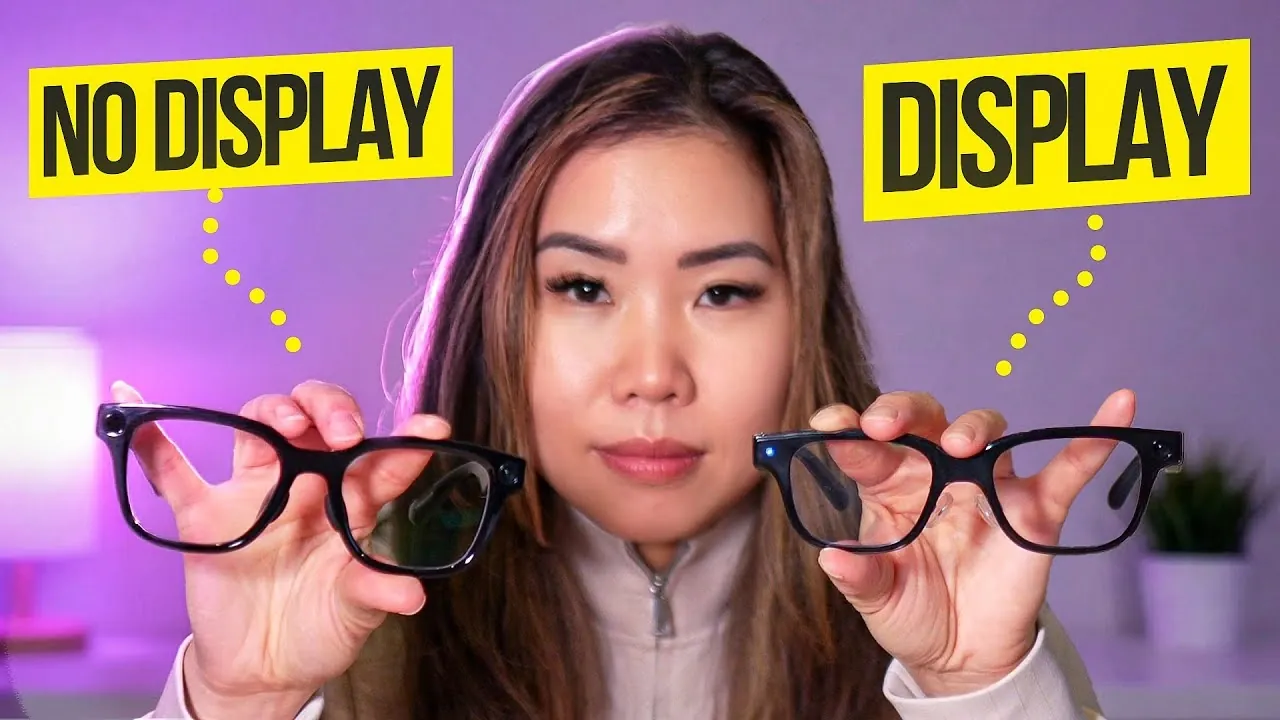
What if your next pair of glasses could do more than just help you see? Imagine translating conversations in real time, receiving step-by-step navigation, or capturing high-quality videos, all without pulling out your phone. In this guide, Cas and Chary XR explains how the Rokid AI Glasses Style and Rokid Glasses are redefining what wearable technology can do, blending innovative features with sleek designs. But here’s the catch: while both models promise to enhance your daily life, they cater to very different needs. Whether you’re drawn to advanced visual displays or prefer lightweight practicality, choosing the right pair could completely change how you interact with the world around you.
So, which one is really worth it? This breakdown will help you uncover the unique strengths of each model, from the customizable lenses of the Rokid AI Glasses Style to the immersive display of the Rokid Glasses. You’ll learn how these smart glasses stack up in terms of design, functionality, and price, making it easier to decide which fits your lifestyle best. Whether you’re a tech enthusiast craving innovation or someone looking for subtle, everyday practicality, this guide will help you see the possibilities more clearly, literally and figuratively.
Rokid Smart Glasses Comparison
TL;DR Key Takeaways :
- Both Rokid AI Glasses Style and Rokid Glasses feature advanced AI-powered tools, including real-time translation, navigation, audio capabilities, a 12MP camera, and meeting transcription, catering to productivity and convenience.
- The Rokid Glasses prioritize advanced functionality with a binocular monochrome display for visual prompts, making them ideal for tech enthusiasts, but they are heavier (49g) and priced at $599.
- The Rokid AI Glasses Style focus on lightweight practicality (38.5g) and audio-based interaction, offering customizable lenses (photochromic, prescription, blue light filtering, UV protection) and starting at $299.
- Battery life for both models is approximately eight hours, but the Rokid Glasses may require more frequent charging due to the display’s power demands.
- The choice between the two models depends on user priorities: advanced features and visual interactivity for the Rokid Glasses versus comfort, affordability, and subtle design for the Rokid AI Glasses Style.
Shared Features: What Both Models Offer
The Rokid AI Glasses Style and Rokid Glasses share a robust suite of features that highlight their technological sophistication. Both models are powered by GPT-5 AI, offering tools designed to enhance productivity and convenience. Key shared features include:
- Real-time translation: Seamlessly translate conversations or text across multiple languages, making communication effortless in diverse settings.
- Navigation: Receive step-by-step directions through Google Maps, simplifying travel and exploration.
- Audio capabilities: Equipped with open-air speakers and directional microphones, these glasses ensure clear sound input and output for calls, commands, and media playback.
- Camera functionality: A 12MP camera capable of recording 1080p video at 60fps for up to 10 minutes, ideal for capturing moments or creating content.
- Meeting transcription: Real-time transcription of discussions, allowing users to stay organized and productive during meetings or brainstorming sessions.
While these features establish a strong foundation, the two models diverge significantly in their design, usability, and intended audience, offering unique advantages depending on your needs.
Rokid Glasses: Advanced Features for Tech Enthusiasts
The Rokid Glasses are designed for users who demand advanced functionality and visual interactivity. A standout feature is the binocular monochrome display, which provides visual prompts for navigation, translations, and notifications. This display enhances the user experience by delivering on-screen information in real time, making it particularly useful for tasks that require constant visual feedback.
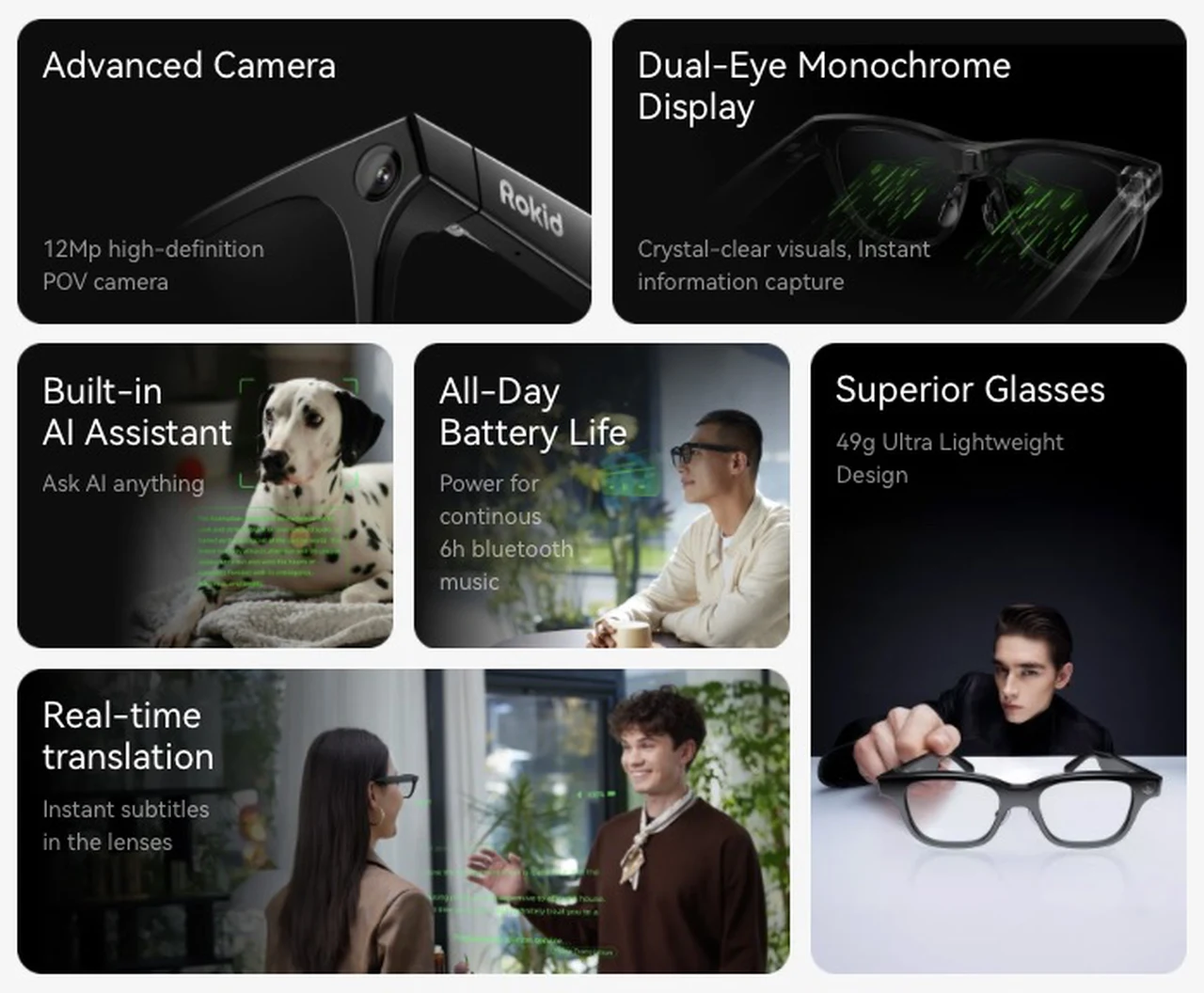
However, the inclusion of a display introduces certain trade-offs. At 49 grams, the Rokid Glasses are heavier than their counterpart, and their battery life is more likely to deplete quickly during prolonged display use. Priced at $599, these glasses cater to tech enthusiasts who prioritize innovative features over subtlety and are willing to invest in a premium product.
Rokid AI Glasses Style vs Rokid Glasses

Gain further expertise in smart glasses by checking out these recommendations.
- Best Smart Glasses 2026 Compared : Android, Apple, Rokid
- At CES 2026, Rokid’s Vision Gains Industry Recognition
- Meta Display vs Rokid Glasses : Which Smart Glasses Are Right for
- Rokid Glasses: The Meta Ray-Ban Display’s Practical Alternative
- Rokid Glasses vs Ray-Ban Meta : Which Smart Glasses Are Right for
- Rokid Glasses vs Meta Ray-Ban: Which AI Smart Glasses are Right
- Inmo Air 3 vs Rokid Smart Glasses : Compared for Everyday Use
- Meta Ray-Ban vs Rokid Smart Glasses : Features & Benefits
- Rokid or Meta: Who’s Bringing Smart Glasses to the Mass Market
- Android XR Smart Glasses Updates and News for November 2025
Rokid AI Glasses Style: Lightweight and Practical
The Rokid AI Glasses Style take a different approach, focusing on simplicity, comfort, and practicality. By eliminating the display, these glasses rely on voice-first interaction, delivering AI responses and audio feedback through their open-air speakers. This design choice reduces the weight to just 38.5 grams, making them significantly more comfortable for extended wear.
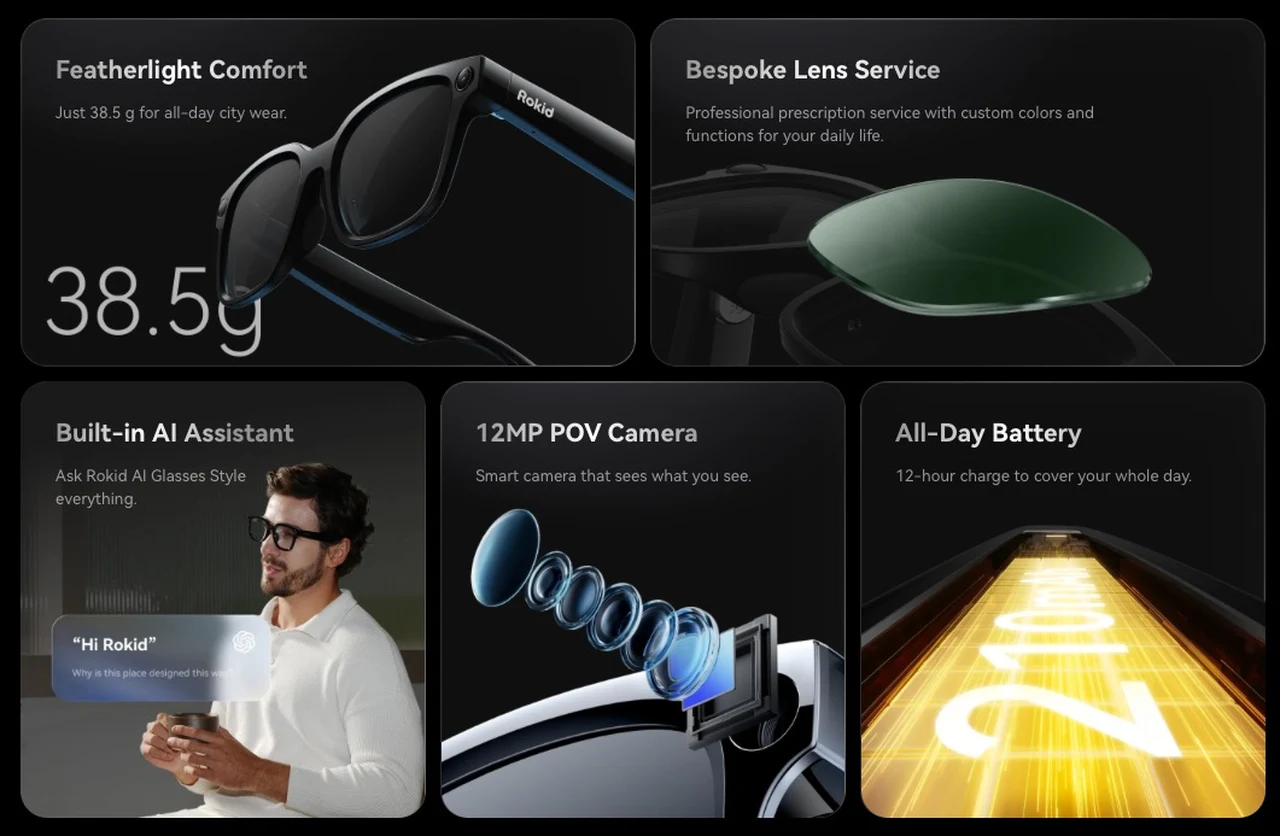
Another key advantage of the Rokid AI Glasses Style is their extensive lens customization options. Users can choose from photochromic lenses, prescription lenses, blue light filtering, and UV protection, tailoring the glasses to their specific needs. These features make them an excellent choice for individuals seeking smart glasses that blend seamlessly into their daily routines. Starting at $299, they are also a more affordable option, with lens upgrades increasing the cost to a maximum of $398.
Design Philosophy: Functionality vs. Subtlety
The Rokid Glasses and Rokid AI Glasses Style reflect two distinct design philosophies, each catering to different user preferences. The Rokid Glasses prioritize functionality, integrating advanced features like the binocular display for users who need visual aids and on-screen information. This makes them ideal for tech-savvy individuals or professionals who rely on visual prompts for navigation, translation, or notifications.
In contrast, the Rokid AI Glasses Style emphasize subtlety and everyday practicality. Their design closely resembles traditional eyewear, allowing them to blend naturally into various settings without drawing attention. This makes them a suitable choice for users who value discretion and comfort while still benefiting from AI-powered features.
Battery Life and Performance
Battery life is a crucial consideration for any wearable device, and both models offer approximately eight hours of usage under standard conditions. However, the Rokid Glasses may require more frequent charging due to the power demands of their display, especially during tasks like video recording or prolonged navigation. The Rokid AI Glasses Style, on the other hand, maintain consistent performance by focusing on audio-based interactions, making sure reliable functionality throughout the day.
Lens Customization: A Standout Feature
One of the most notable advantages of the Rokid AI Glasses Style is their customizable lenses, which enhance both functionality and comfort. Available options include:
- Photochromic lenses: Automatically adjust to changing light conditions, providing optimal visibility indoors and outdoors.
- Prescription lenses: Tailored for users who require vision correction, making sure clarity and convenience.
- Blue light filtering: Reduce eye strain during prolonged screen exposure, making them ideal for work or leisure.
- UV protection: Shield your eyes from harmful ultraviolet rays, promoting long-term eye health.
These customization options make the Rokid AI Glasses Style a versatile choice for users who want eyewear that adapts to their lifestyle and preferences.
Price Comparison
The price difference between the two models reflects their distinct features and target audiences. The Rokid AI Glasses Style start at $299, with lens upgrades available for an additional cost, reaching a maximum of $398. In contrast, the Rokid Glasses are priced at $599, positioning them as a premium option for users who prioritize advanced technology and visual interactivity.
Which Pair is Right for You?
Choosing between the Rokid AI Glasses Style and Rokid Glasses ultimately depends on your specific needs and priorities. If you value advanced features like a display for visual prompts and are willing to trade off weight and cost, the Rokid Glasses are an excellent choice. They cater to tech enthusiasts and professionals who require high-tech functionality in their daily activities.
On the other hand, if you prioritize comfort, affordability, and a design that integrates seamlessly into everyday life, the Rokid AI Glasses Style offers a more practical solution. Their lightweight design, customizable lenses, and focus on audio-based interactions make them ideal for users seeking smart glasses that enhance their lifestyle without compromising on comfort or style.
Both models showcase the potential of wearable technology to improve daily life, offering innovative solutions for diverse needs. Whether you’re a tech enthusiast or someone looking for functional, stylish eyewear, Rokid’s smart glasses provide compelling options that highlight the future of this rapidly evolving industry.
Media Credit: Cas and Chary XR
Disclosure: Some of our articles include affiliate links. If you buy something through one of these links, Geeky Gadgets may earn an affiliate commission. Learn about our Disclosure Policy.
