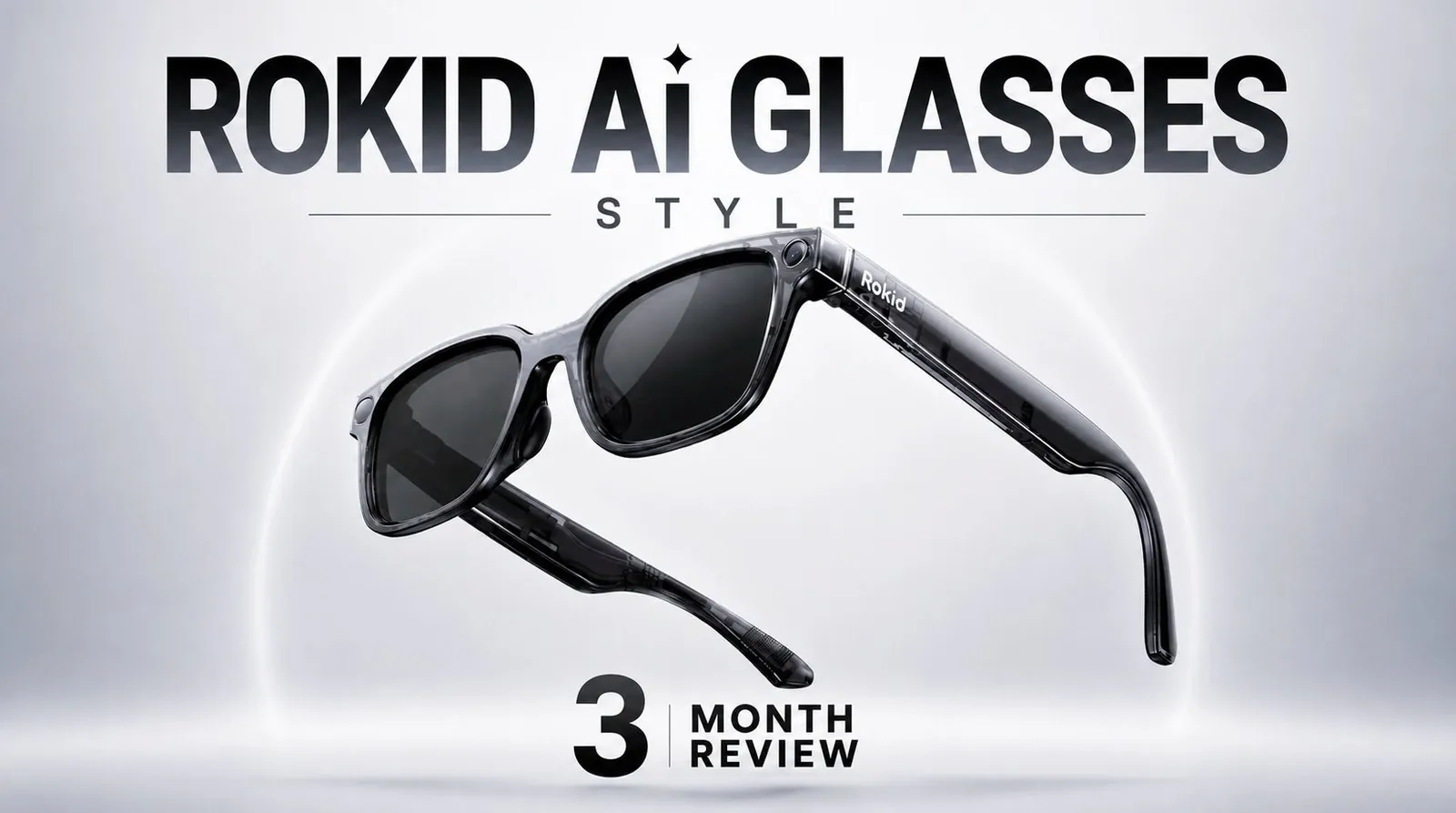
Three months ago, Tech with Spencer shared initial impressions of the Rokid Ai Glasses Style, highlighting its lightweight design and promising AI capabilities. Now, after extended use, the glasses have shown notable growth, particularly through regular software updates that have refined their performance. Features like real-time translation and customizable controls have become more reliable, addressing early concerns such as connectivity issues and battery drain. However, some design limitations remain, including a lack of frame curvature and a plastic build prone to fingerprints, which may detract from its appeal for users prioritizing aesthetics.
In this 3 moth overview by Tech with Spencer, you’ll gain insight into how the Rokid Ai Glasses Style balances functionality with areas for improvement. Explore its open-ear audio system, which delivers clear sound but struggles with leakage in quiet settings and learn about the 12MP camera’s versatile recording options. You’ll also discover how AI integrations, like ChatGPT and Gemini AI, enhance daily tasks, from object recognition to navigation. Whether you’re curious about its accessories or its position against competitors like the Ray-Ban Meta Gen 2, this breakdown offers a clear look at what these smart glasses bring to the table.
Comfort and Design: Lightweight Yet Imperfect
TL;DR Key Takeaways :
- The Rokid Ai Glasses Style, priced at $349 now, feature advanced AI tools, real-time translation and live interaction, with free AI services available until 2027.
- Lightweight at 38.5 grams, the glasses are designed for extended wear but face design limitations, such as a lack of curvature and fingerprint-prone plastic material.
- Audio and camera capabilities include clear open-ear sound and a 12MP camera with multiple aspect ratios, though sound leakage and wind noise remain minor drawbacks.
- Regular software updates have improved performance, added customizable controls and introduced features like “Helmet Mode” for specialized use cases.
- Compared to competitors like Ray-Ban Meta Gen 2, the Rokid Ai Glasses Style excels in functionality, AI integration and prescription lens support, but lags in design aesthetics and ecosystem compatibility.
Weighing just 38.5 grams, the Rokid Ai Glasses Style is engineered for extended wear, making it a practical choice for daily use. Its lightweight build ensures minimal strain, even during prolonged usage. However, the frames lack curvature, which may not suit all users, particularly those seeking a snug fit. The plastic material, while contributing to its portability, is prone to fingerprints, which can detract from its premium aesthetic. These design limitations highlight areas where the glasses could improve to better compete with more polished alternatives in the market.
Audio and Camera: Capable but Not Flawless
The open-ear audio system delivers clear and crisp sound, making it suitable for calls, podcasts and videos. However, sound leakage can be noticeable in quieter environments, potentially disrupting those nearby. The 12MP camera supports multiple aspect ratios, including 3:4, 4:3 and 9:16 and allows for recordings of up to 10 minutes. While the microphones generally perform well, wind noise can occasionally interfere with audio clarity, particularly in outdoor settings. These features make the glasses versatile, though minor drawbacks, such as sound leakage and wind interference, remain areas for improvement.
Software Updates: Enhancing the Experience
Regular software updates have significantly improved the Rokid Ai Glasses Style’s performance. Early issues, such as Bluetooth connectivity problems and excessive phone battery drain, have been addressed. AI response times have been optimized, making sure faster and more reliable performance. Additionally, customizable controls now allow users to adjust gestures and light settings, tailoring the glasses to individual preferences. A notable addition is the “Helmet Mode”, a specialized feature designed for niche use cases, such as industrial or outdoor activities, further broadening the product’s appeal.

Here are more detailed guides and articles that you may find helpful on Rokid glasses.
- How to Choose the Best Navigation Smart Glasses for Your Budget
- Which Rokid Smart Glasses Are For You, AI Style or the Display Model?
- Rokid Glasses: The Meta Ray-Ban Display’s Practical Alternative
- Rokid Glasses vs Meta Ray-Ban Display : AI Glasses Compared Discover the Best Fit for Your Lifestyle
- Rokid AI Glasses Worn for 30 Days : Why Ray-Ban Meta Should Be Worried
- Are the Rokid AI Glasses Actually Better Than the Even G2?
- Rokid AI Glasses Undercut Meta Ray-Bans with a $299 Price
- 5 Innovative Smart Glasses That Will Change How You See the World
- Rokid AI Glasses Three Months Later: Assessing the Real Value
- $299 Rokid AI Glasses Worn for a Week : Here’s the Verdict
AI Features: Practical Tools for Everyday Use
The integration of ChatGPT and Gemini AI has transformed the Rokid Ai Glasses Style into a versatile tool for real-time assistance. These AI features provide practical applications that enhance daily life, including:
- Object identification for recognizing items in your surroundings
- Navigation support for seamless travel
- Real-time translation for multilingual communication
The standout “Live AI” functionality enables users to interact seamlessly with their environment, offering practical and intuitive solutions for everyday challenges. Importantly, these AI services remain free until March 31, 2027, making the glasses an attractive option for early adopters seeking value and innovation.
Accessories: Convenience with Some Limitations
The Rokid Ai Glasses Style comes with a range of accessories designed to enhance usability. The charging case is a standout, offering up to 10 full charges, making it ideal for travel or extended use. Backup power capsules further extend battery life, making sure the glasses remain functional throughout the day. However, the proprietary charging system limits flexibility, as it requires specific hardware to recharge the glasses. While these accessories add convenience, the lack of universal compatibility may be a drawback for users who prefer standardized charging solutions.
Comparison with Competitors: Functionality vs Design
When compared to competitors like the Ray-Ban Meta Gen 2, the Rokid Ai Glasses Style excels in several key areas:
- A lighter and more portable design
- Longer video recording capabilities
- Customizable AI shortcuts for personalized functionality
- Broader prescription lens support, accommodating a range from +15 to -15
However, the Ray-Ban Meta Gen 2 distinguishes itself with its sleek design and seamless integration into the Meta ecosystem, appealing to users who prioritize style and ecosystem compatibility. Ultimately, the Rokid Ai Glasses Style focuses on functionality and innovation, while the Ray-Ban Meta Gen 2 emphasizes aesthetics and brand integration, catering to different user priorities.
Future Potential: A Promising Contender in Wearable Tech
The Rokid Ai Glasses Style has evolved into a well-rounded wearable that balances comfort, functionality and innovation. While improvements in frame design and charging flexibility are still needed, the glasses offer a compelling choice for users seeking advanced AI features and practical usability. At $349, they deliver solid value, particularly with free AI services available until 2027. For tech enthusiasts and early adopters, the Rokid Ai Glasses Style represents a forward-thinking option that bridges the gap between innovation and everyday practicality.
Media Credit: Tech with Spencer
Disclosure: Some of our articles include affiliate links. If you buy something through one of these links, Geeky Gadgets may earn an affiliate commission. Learn about our Disclosure Policy.
