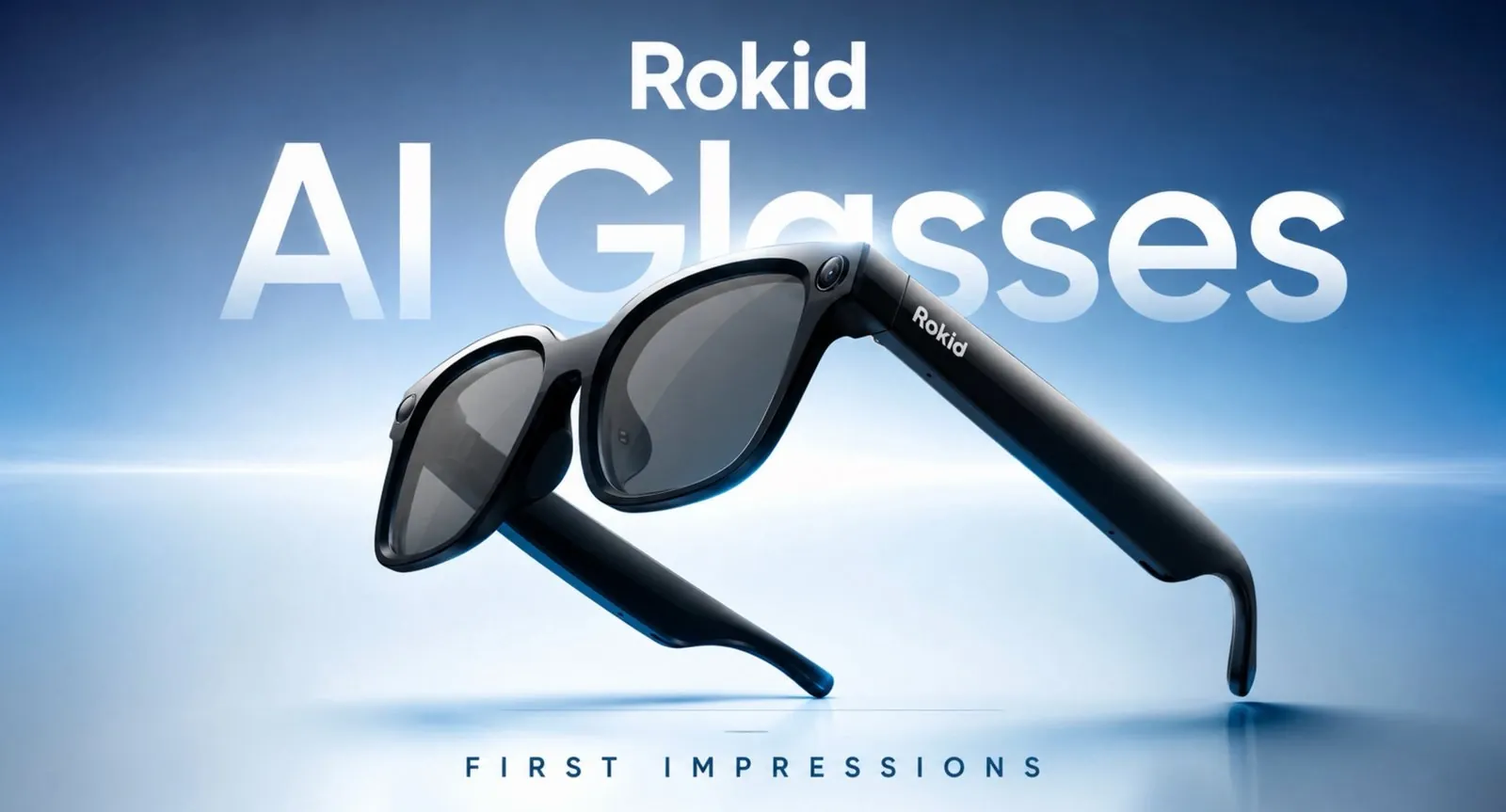
The Rokid AI Glasses combine advanced hardware and intelligent software to offer an augmented reality experience. According to Lee Does Tech, the glasses are powered by a Qualcomm Snapdragon AR1 processor and feature dual monochrome displays with up to 1,500 nits of brightness. They also include a Sony 12-megapixel sensor capable of capturing 4K photos. Weighing just 49 grams and equipped with adjustable nose pads, the glasses are designed for extended wear, making them practical for both professional and personal use. However, challenges such as navigation difficulties and connectivity issues highlight areas where the device could improve.
Dive into the key features of the Rokid AI Glasses, such as their real-time translation across 89 languages and voice-activated AI assistant for tasks like object recognition. Understand the device’s battery performance, which ranges from 4 to 8 hours and its compatibility with widely used apps like Google Maps. This overview also examines limitations, including speaker performance in noisy settings and occasional GPS signal disruptions, providing a clear view of the glasses’ capabilities and areas for refinement.
Design and Comfort
TL;DR Key Takeaways :
- The Rokid AI Glasses combine advanced AR technology with features like AI-powered assistance, dual monochrome displays, a Sony 12-megapixel sensor and a Qualcomm Snapdragon AR1 processor, offering a versatile hands-free experience.
- Designed for comfort and usability, the glasses weigh just 49 grams, feature adjustable nose pads and support prescription lenses, making sure long-term wearability for diverse users.
- Equipped with state-of-the-art hardware, the glasses deliver high-quality photo and video capture, real-time AI interactions and optimal visibility in various lighting conditions.
- Advanced AI capabilities include voice-activated assistance, real-time translation in 89 languages and teleprompter functionality, enhancing productivity and global communication.
- While offering smooth performance and user-friendly functionality, the glasses face minor limitations in navigation, connectivity and speaker volume, with potential for future updates to address these issues.
Lightweight and Adaptable
Weighing just 49 grams, the Rokid AI Glasses are engineered for long-term comfort and usability. The inclusion of adjustable nose pads ensures a secure and personalized fit for various face shapes, while the lightweight frame minimizes fatigue during extended use. The glasses are equipped with non-prescription lenses by default but can be customized with prescription lenses, making them suitable for daily wear. Whether navigating a bustling city or focusing on detailed tasks, the ergonomic design ensures a seamless and distraction-free experience. This adaptability makes the glasses an excellent choice for users seeking both functionality and comfort in their AR devices.
Hardware and Specifications: Built for Performance
The Rokid AI Glasses are equipped with state-of-the-art hardware to deliver exceptional performance. The dual monochrome displays provide brightness levels of up to 1,500 nits, adjustable from 0% to 100%, making sure optimal visibility in diverse lighting conditions, from dim indoor settings to bright outdoor environments. The Sony 12-megapixel sensor enables high-quality photo and video capture, supporting 4K resolution for photos and 3K video recording at 30 frames per second. Powered by the Qualcomm Snapdragon AR1 processor, the glasses ensure smooth and efficient operation across a variety of applications, from multimedia tasks to real-time AI interactions. This robust hardware foundation makes the device a reliable companion for both professional and personal use.

Browse through more resources below from our in-depth content covering more areas on Rokid AI Glasses.
- Why the $259 Rokid AI Glasses Actually Beat the Ray-Ban Meta
- Which Rokid Smart Glasses Are For You, AI Style or the Display Model?
- Are the Rokid AI Glasses Actually Better Than the Even G2?
- Rokid AI Style vs Display: the Hidden Trade-Offs Behind the $300 Price Gap
- $299 Rokid AI Glasses Worn for a Week : Here’s the Verdict
- Rokid Al Glasses vs Ray-Ban Meta : Which Should You Actually Buy?
- Meta Ray-Ban Display Gen 2: Moving to Dual-Lens Micro-Displays?
- Rokid vs Ray-Ban Meta : Which AI Glasses Win?
- Nothing Al Smart Glasses : Premium AR Features with Everyday Comfort
- Meta Display vs Rokid Glasses : Smart Glasses Showdown Head-to-Head
AI Features: Smart Assistance at Your Command
The Rokid AI Glasses integrate advanced AI capabilities to enhance user convenience and productivity. A voice-activated AI assistant, triggered by the command “Hi Rocket,” enables hands-free operation for tasks such as navigation, object recognition and memo creation. For international users, the glasses support AI models like ChatGPT or Gemini, while Chinese users can access Deep Seek or Kwen. One of the standout features is the real-time translation technology, which supports 89 languages with an impressive lag time of just 0.5 seconds. This feature is particularly beneficial for travelers, multilingual professionals and global communication. Additionally, the teleprompter functionality with auto-scrolling text proves invaluable for presentations, content creation and public speaking, further expanding the device’s practical applications.
Navigation and Apps: User-Friendly but Room for Improvement
The Rokid AI Glasses offer intuitive navigation and app integration, supporting Google Maps for international users and Gaode Maps for users in China. Swipe controls allow for easy adjustments to brightness, volume and app navigation, creating a user-friendly interface. However, the navigation system has some limitations, such as the lack of dynamic directional feedback and occasional GPS signal loss in areas with weak connectivity. Despite these challenges, the app interface remains polished and straightforward, with potential for future updates to address these shortcomings. The glasses’ ability to integrate seamlessly with widely used apps ensures their relevance and utility in various scenarios.
Battery Life and Charging: Efficient and Flexible
The Rokid AI Glasses are powered by a 210mAh battery, offering a usage time of 4 to 8 hours depending on the intensity of use. A full charge takes approximately 35 to 40 minutes and the device supports usage while charging, providing flexibility for users on the go. For extended use, an optional charging case is available, though a standard power bank can also be used effectively. This ensures that the glasses remain operational throughout the day, catering to users who require consistent performance for work, travel, or leisure activities.
Audio and Microphone: Reliable in Most Environments
The audio and microphone systems of the Rokid AI Glasses are designed to perform reliably in a variety of settings. The microphone is capable of accurate voice recognition, even in noisy environments, making sure seamless interaction with the AI assistant and other voice-activated features. The speakers deliver clear and crisp audio, though they may struggle in extremely loud surroundings, such as busy urban areas or outdoor events. While this limitation may affect usability in specific scenarios, the overall audio performance remains dependable for most environments, enhancing the device’s practicality.
Performance and Usability: Smooth and Intuitive
The Rokid AI Glasses excel in delivering smooth performance and user-friendly functionality. The dual-display design reduces eye strain compared to single-display models, making the device more comfortable for prolonged use. Video stabilization technology ensures high-quality recordings, even during movement, which is particularly useful for content creators and professionals. The intuitive app interface allows users to navigate features effortlessly, creating a device that is both functional and enjoyable to use. These qualities make the glasses a versatile tool for a wide range of applications, from entertainment to productivity.
Limitations: Areas for Refinement
While the Rokid AI Glasses offer numerous strengths, there are areas that could benefit from improvement. The navigation system’s directional arrow does not adjust dynamically, which can lead to confusion during use. Connectivity issues may arise in locations with weak GPS or network signals, potentially impacting the device’s reliability in certain environments. Additionally, the speaker volume could be enhanced to perform better in noisy settings. Despite these limitations, the overall functionality and innovation of the glasses remain impressive and future updates could address these concerns to further enhance the user experience.
A Leap Forward in AR Technology
The Rokid AI Glasses represent a significant step forward in augmented reality technology, offering a well-rounded combination of advanced features and practical design. With capabilities such as hands-free AI assistance, high-quality multimedia capture and robust translation technology, the glasses cater to a diverse range of user needs. While minor drawbacks in navigation and connectivity exist, the overall performance, versatility and user-centric design of the device make it a compelling choice for those seeking innovative AR solutions. As AR technology continues to evolve, the Rokid AI Glasses stand out as a promising and innovative option in the market.
Media Credit: Lee Does Tech
Disclosure: Some of our articles include affiliate links. If you buy something through one of these links, Geeky Gadgets may earn an affiliate commission. Learn about our Disclosure Policy.
