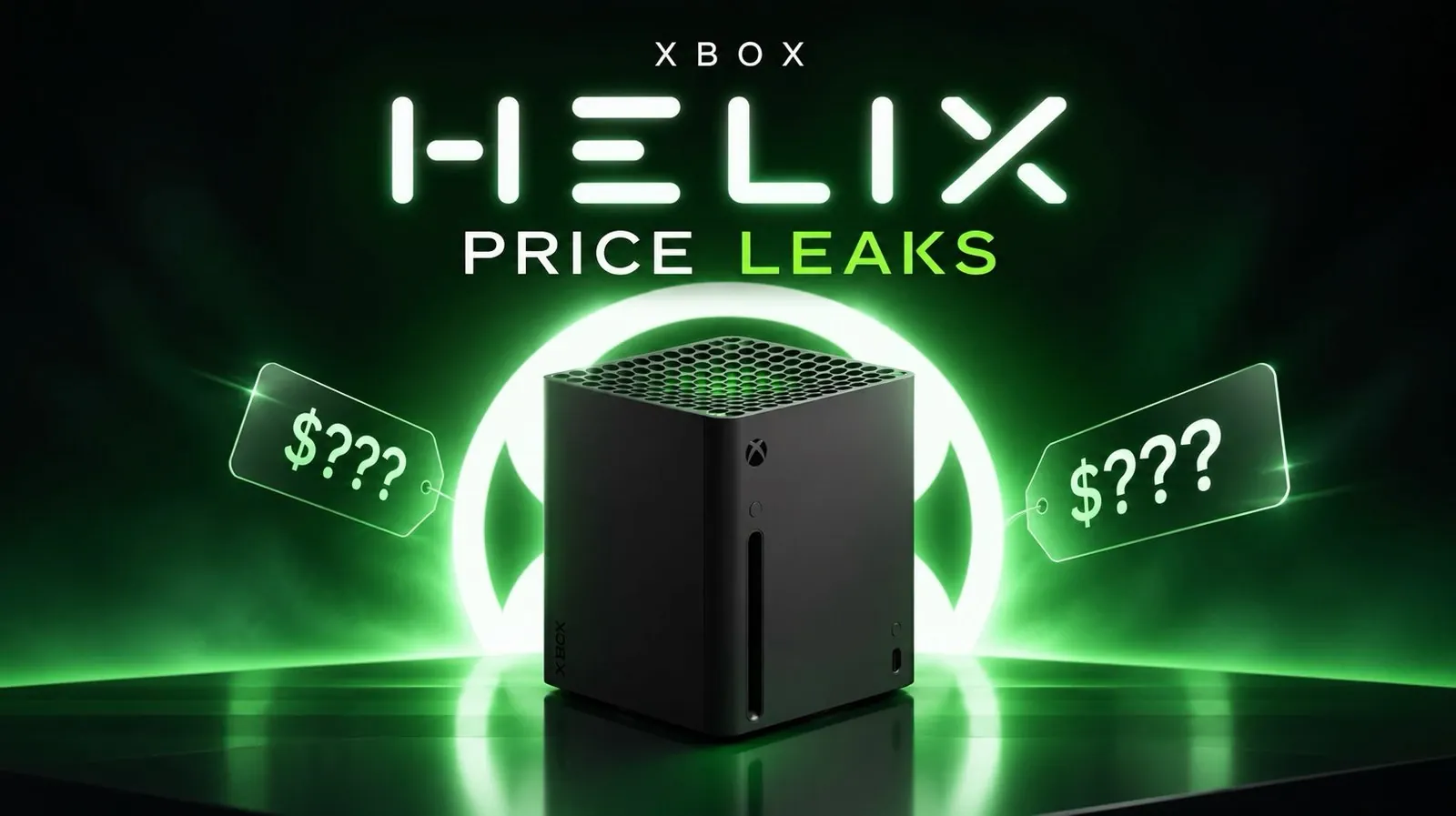
Microsoft’s next-generation console, codenamed “Helix,” has drawn attention after a significant pricing leak. As reported by Bellular News, the Helix is projected to launch in 2028 with a price range of $1,200 to $1,800, positioning it among the most expensive gaming systems ever released. This pricing reflects Microsoft’s ambition to merge Xbox and PC gaming into a unified platform, but it also highlights the challenges of delivering advanced hardware while maintaining accessibility for a wide audience.
Understand how Microsoft’s pricing strategy could influence the gaming market. Explore the potential role of hardware subsidies and changes to the Game Pass subscription model. Gain insight into the financial pressures caused by rising production costs, the global chip shortage and the risks of focusing on high-income consumers while striving to remain relevant to a diverse player base.
Helix: Bridging Xbox and PC Gaming
TL;DR Key Takeaways :
- The next-generation Xbox console, codenamed “Helix,” is set for a 2028 release with a projected price range of $1,200–$1,800, making it one of the most expensive gaming systems ever.
- Helix aims to unify Xbox and PC gaming into a seamless platform, but its high cost, driven by advanced hardware and global chip shortages, raises concerns about affordability and accessibility.
- Microsoft may subsidize the Helix console by absorbing over $800 in losses per unit, potentially introducing a tiered Game Pass subscription model to offset costs, though this risks alienating current subscribers.
- Xbox is expanding into handheld gaming with a portable device expected in 2027, but internal disagreements over its operating system have delayed development.
- Speculation about Xbox’s future includes potential spin-offs or external investments, with private equity firms valuing the division at $100–$150 billion, while new leadership focuses on profitability and strategic realignment.
The Helix console represents a bold vision for the future of gaming, aiming to unify Xbox and PC gaming into a single, cohesive platform. Its ability to run games from both ecosystems without compromise is a standout feature, but this innovation comes at a steep cost. The global chip shortage and fierce competition for advanced components have driven up manufacturing expenses, directly contributing to the console’s high price. Without significant subsidies, this premium device risks pricing out a large segment of the gaming community. Microsoft faces a delicate balancing act between profitability and making sure the Helix remains accessible to a broad audience.
Subsidizing Helix: A Costly Gamble
To make the Helix console more affordable, Microsoft may need to subsidize its hardware, potentially absorbing over $800 in losses per unit. This strategy, while not unprecedented, would require significant adjustments to the company’s revenue model. Reports suggest Microsoft is exploring a tiered Game Pass subscription system, which would separate multiplayer, cloud gaming and console-only access into distinct pricing tiers. While this approach could generate additional revenue streams, it risks alienating existing subscribers accustomed to the current all-inclusive model. Successfully implementing this strategy will require Microsoft to carefully balance innovation with customer satisfaction, making sure that the changes enhance value without creating frustration.
Xbox’s Financial Struggles and Workforce Reductions
Xbox’s financial performance has been a persistent concern, with profit margins hovering around 3%, significantly lower than competitors like Sony’s PlayStation. Weak hardware sales, coupled with limited consumer purchasing power, have exacerbated these challenges. In response, Microsoft has initiated significant workforce reductions, cutting 1,868 employees so far, with plans to reduce the total workforce by 3,200. These layoffs are part of a broader effort to streamline operations and reduce costs, but they also highlight the division’s precarious position within Microsoft’s larger corporate strategy. The layoffs underscore the urgency for Xbox to improve its financial performance while maintaining its relevance in the gaming industry.

Discover other guides from our vast content that could be of interest on Xbox Helix.
- Xbox Project Helix Consoles Scheduled to Launch in Nov 2027
- Rumoured Massive 26-Teraflop Xbox Project Helix Pits It Against PlayStation 6
- Project Helix: How the Next Xbox Plays Both PC and Console Games
- PlayStation 6 and Xbox Project Helix Arrive in 2027 From $800
- Xbox Project Helix Reportedly Includes a Next-Gen Handheld
- Leaked $600 Xbox Helix S Features 24 GB of GDDR7 RAM and RDNA 5
- Tariffs May Push Xbox Project Helix Pricing to a Steep $1,000
- Xbox Project Helix Offers Complete Backward Compatibility
- Next-Gen Xbox Project Helix May Replace Blu-Ray with Cartridges
- Rumored Xbox Project Helix Estimates Hit a Massive $1,800 Price
Expanding into Handheld Gaming
In addition to the Helix console, Microsoft is venturing into handheld gaming with a new portable device expected to launch during the 2027 holiday season. This handheld system, part of the Helix family, is designed to capitalize on the growing demand for on-the-go gaming. However, internal disagreements over the device’s operating system have reportedly delayed its development. To address these challenges, Xbox has taken control of Windows teams, signaling its commitment to making sure the handheld integrates seamlessly with its broader ecosystem. If successful, this device could position Microsoft as a serious competitor in the handheld gaming market, further diversifying its hardware offerings.
Speculation Surrounding Xbox’s Future
Amid these challenges, speculation about Xbox’s future within Microsoft has intensified. Private equity firms have valued the division at $100–$150 billion, sparking rumors of a potential sale, spin-off, or external investment. Some analysts have proposed reorganizing Xbox into genre-specific divisions, which could make the brand more appealing to potential buyers. While no official decisions have been announced, these discussions suggest that Microsoft is keeping its options open as it evaluates the division’s long-term role within the company. The outcome of these deliberations could significantly reshape the gaming landscape and redefine Xbox’s place within it.
Leadership and Strategic Realignment
Under the leadership of new CEO Asha Chararma, Xbox is undergoing a significant strategic shift. Chararma has prioritized profitability and accountability, moving away from the “blank check” funding model that characterized previous years. This shift is evident in Microsoft’s pursuit of high-value partnerships, such as a failed $800 million deal with Netflix for exclusive TV and film rights. Although the deal did not materialize, it highlights Xbox’s focus on using media adaptations to expand its brand and diversify revenue streams. Chararma’s leadership reflects a more disciplined approach to growth, emphasizing sustainable strategies over unchecked spending.
Targeting Premium Gamers: A Risky Strategy?
Microsoft’s evolving strategy for Xbox appears to focus on attracting premium, high-income gamers, a demographic that aligns with the Helix console’s high price point. This approach also uses the division’s reliance on cloud gaming, Game Pass and media adaptations to maintain relevance in a competitive market. However, the gaming industry remains fiercely competitive and this strategy carries inherent risks. By targeting a narrower audience, Xbox risks alienating casual gamers and those with limited budgets. The company’s ability to innovate and adapt will be critical to its survival, particularly as it navigates the challenges of appealing to both premium and mainstream gamers.
What Lies Ahead for Xbox?
The coming years will be pivotal for Xbox as it seeks to balance innovation, financial sustainability and market relevance. Whether through new hardware, reimagined subscription models, or strategic partnerships, Microsoft’s ability to adapt to the rapidly evolving gaming landscape will determine its success. For gamers, the Helix console and its accompanying ecosystem offer a glimpse into the future of gaming, but at a price that may redefine what it means to be a premium player in the industry. As Microsoft navigates these challenges, the future of Xbox remains uncertain, but its potential to shape the gaming world is undeniable.
Media Credit: Bellular News
Disclosure: Some of our articles include affiliate links. If you buy something through one of these links, Geeky Gadgets may earn an affiliate commission. Learn about our Disclosure Policy.
