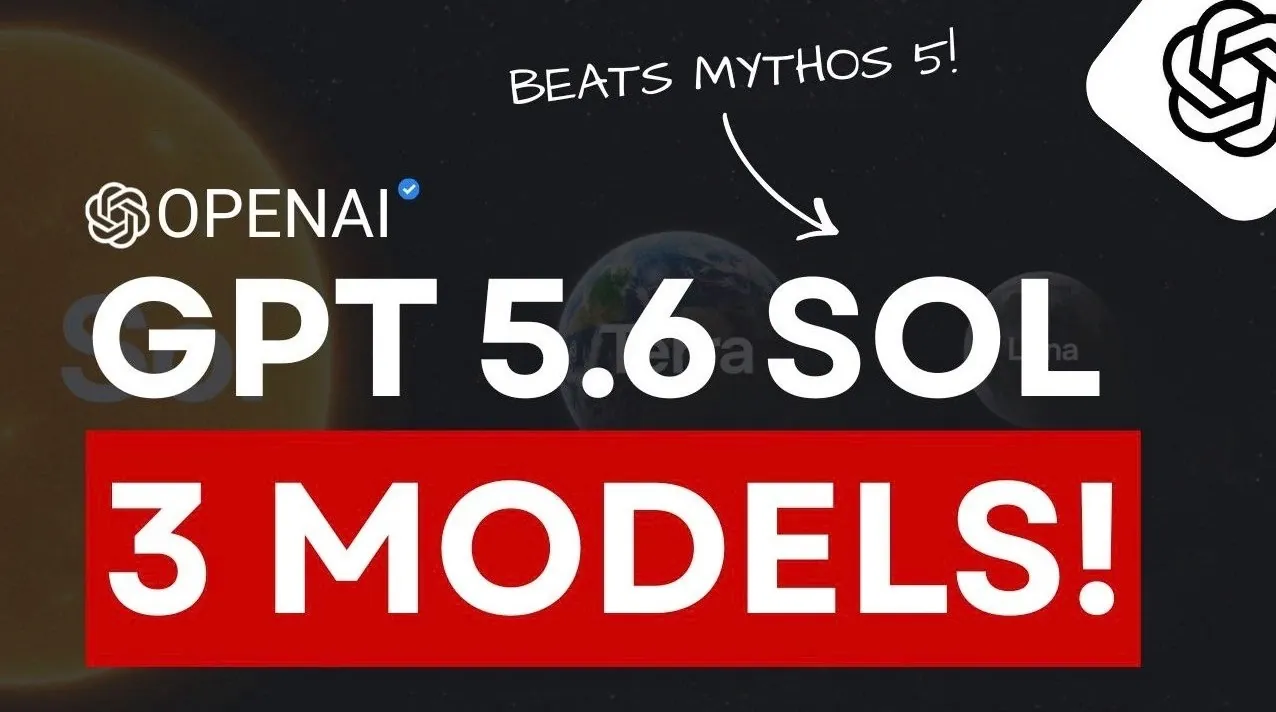
OpenAI’s latest release, GPT-5.6 Sol, introduces three specialized models, Soul, Terra and Luna, each tailored to distinct use cases. From the cybersecurity-focused Soul to the cost-efficient Luna, these models showcase advancements in performance and efficiency, such as improved token utilization and real-time monitoring capabilities. However, as Universe of AI highlights, access to these systems is tightly restricted, with availability limited to select organizations and government partners. This exclusivity reflects OpenAI’s cautious approach to mitigating risks while refining the models for broader, responsible deployment.
Explore the implications of these access restrictions and gain insight into the safety measures underpinning GPT-5.6, including automated red-teaming and identity verification protocols. Understand how these safeguards align with OpenAI’s collaboration with the US government and its phased rollout strategy. Additionally, this feature examines the growing role of open source alternatives, such as GLM 5.5 and their potential to provide widespread access to AI technology amidst debates on fairness and accessibility.
Exploring the Models: Soul, Terra and Luna
TL;DR Key Takeaways :
- OpenAI introduced the GPT-5.6 series with three specialized models, Soul (cybersecurity-focused), Terra (general-purpose), and Luna (cost-efficient)—tailored for diverse use cases.
- Access to GPT-5.6 is tightly restricted to trusted organizations, primarily in the US, to mitigate risks and ensure responsible deployment, sparking debates about exclusivity and fairness.
- OpenAI has implemented robust safety measures, including automated red-teaming, real-time monitoring and planned identity verification, to prevent misuse and enhance accountability.
- The GPT-5.6 models set new benchmarks in performance and efficiency, offering superior token output and cost-effectiveness compared to earlier versions and competitors.
- Restricted access to GPT-5.6 has fueled interest in open source AI alternatives, which emphasize transparency, accessibility and community collaboration as counterpoints to proprietary systems.
The GPT-5.6 series is designed to cater to a wide range of needs through its three distinct models, each tailored to specific use cases:
- Soul: As the flagship model, Soul is optimized for cybersecurity and agentic tasks. It excels in identifying and neutralizing advanced cyber threats, making it a critical tool for high-security environments such as government agencies and financial institutions.
- Terra: A versatile, general-purpose model, Terra is designed for adaptability and performance. It is ideal for tasks such as content generation, data analysis and customer service, offering a balanced solution for organizations with diverse operational needs.
- Luna: The most cost-efficient option in the series, Luna prioritizes affordability and speed. It is particularly suited for small businesses and organizations with limited budgets that still require reliable AI capabilities for routine tasks.
These models represent a significant step forward in AI technology, but their availability is currently limited to a select group of users, sparking debates about accessibility and fairness.
Understanding the Restricted Access
OpenAI has implemented stringent access controls for the GPT-5.6 models, limiting their use to trusted organizations within the United States and a small group of international partners. This decision stems from concerns about potential misuse, particularly in sensitive domains like cybersecurity, where the stakes are exceptionally high.
To ensure responsible deployment, OpenAI is working closely with the US government. This collaboration underscores the importance of aligning AI development with national security priorities and ethical standards. By restricting access, OpenAI aims to mitigate risks while refining the models for broader use.
Although OpenAI has expressed intentions to expand access globally, no definitive timeline has been provided. The rollout is expected to follow a phased approach, beginning with trusted organizations, then extending to US residents and eventually reaching international users. This cautious strategy reflects OpenAI’s commitment to balancing innovation with safety.

Here are additional guides from our expansive article library that you may find useful on ChatGPT 5.
- GPT-5.6 Pro Leaks Expose a Massive Jump in AI Reasoning Power
- Leaked ChatGPT 5.5 Pro Tests Reveal OpenAI’s “Spud” Building Interactive 3D Worlds
- ChatGPT 5.6 vs Claude Mythos 5 : Leaks Reveal Two Very Different Futures for AI
- OpenAI Introduces ChatGPT 5.6 Soul, Terra and Luna Models
- What ChatGPT 5.6’S Delay Means for the Future of Open Source AI
- OpenAI to Launch ChatGPT 5.5 and a New Unified Desktop Super App
- What the Leaked ChatGPT 5.6 Model Reveals About OpenAI’s Next Move
- How ChatGPT 5.5 Automates Repetitive Coding Tasks to Save You Time
- OpenAI’s GPT-5.6 Release is Triggering an AI Price War
- What to Expect from OpenAI’s GPT-5.6 Release in June 2026
Prioritizing Safety and Risk Mitigation
Safety remains a cornerstone of OpenAI’s approach to deploying the GPT-5.6 series. The company has invested over 700,000 GPU hours in training and testing these models to ensure their reliability and security. This rigorous process has resulted in the implementation of robust safeguards designed to prevent misuse and enhance accountability.
Key safety measures include:
- Automated Red-Teaming: Continuous stress testing is conducted to identify vulnerabilities, such as attempts to bypass safeguards or exploit the models for harmful purposes.
- Real-Time Monitoring: Outputs are monitored in real time, with flagged activities undergoing account-level reviews to prevent malicious applications.
- Identity Verification: Future updates are expected to introduce stricter identity verification protocols, further enhancing accountability and reducing the risk of misuse.
These measures highlight OpenAI’s proactive approach to addressing the ethical and practical challenges associated with deploying advanced AI systems.
Performance and Efficiency: Setting New Standards
The GPT-5.6 models establish new benchmarks in both performance and efficiency. For example, the Soul model has demonstrated exceptional capabilities in cybersecurity, outperforming competitors such as Anthropic’s Mythos in detecting and mitigating sophisticated threats.
In addition to their technical prowess, the GPT-5.6 models are designed with token efficiency in mind. They deliver more output per token compared to earlier versions and rival systems, reducing operational costs while maintaining high-quality results. This efficiency makes the models particularly appealing for organizations seeking to maximize their return on investment in AI technology.
The Role of Open source Alternatives
The restricted access to GPT-5.6 has reignited interest in open source AI models, which offer a more accessible alternative to proprietary systems. Developers and organizations are increasingly exploring options like GLM 5.5, which aim to rival proprietary models in both performance and usability.
Open source AI provides several key advantages:
- Transparency: Users can examine and modify the underlying code, fostering trust and allowing innovation.
- Accessibility: Open source models are available to a broader audience, providing widespread access to access to advanced AI technology.
- Community Collaboration: Open source projects benefit from collective expertise, accelerating development and addressing a wide range of use cases.
As open source AI continues to evolve, it may offer viable alternatives to proprietary models like GPT-5.6, particularly for organizations and individuals seeking greater flexibility and inclusivity.
Community Perspectives and Future Directions
The release of GPT-5.6 has elicited a range of reactions from the AI community. While many experts commend the technical advancements and potential applications of the models, others express concern over the restricted access. Critics argue that limiting such powerful tools to a select few stifles innovation and exacerbates inequalities within the AI ecosystem.
Looking ahead, OpenAI plans to gradually expand access to GPT-5.6, with future updates expected to include enhanced safety features such as stricter identity verification protocols. These measures aim to ensure responsible use while addressing concerns about exclusivity.
At the same time, the growing interest in open source AI suggests a shift toward more inclusive and collaborative approaches to AI development. This trend highlights the importance of balancing proprietary innovation with the need for accessibility and community-driven progress.
Balancing Innovation, Safety and Accessibility
The GPT-5.6 series represents a significant milestone in AI development, offering unparalleled capabilities in cybersecurity, general-purpose tasks and cost-effective applications. However, its restricted availability underscores the ongoing challenges of balancing technological advancement with safety and accessibility.
As OpenAI continues to navigate these complexities, the future of AI will likely depend on finding the right equilibrium between proprietary innovation and open source alternatives. For now, GPT-5.6 remains a powerful yet exclusive tool, accessible only to a select group of users, leaving the broader AI community to speculate on its potential impact.
Media Credit: Universe of AI
Disclosure: Some of our articles include affiliate links. If you buy something through one of these links, Geeky Gadgets may earn an affiliate commission. Learn about our Disclosure Policy.
