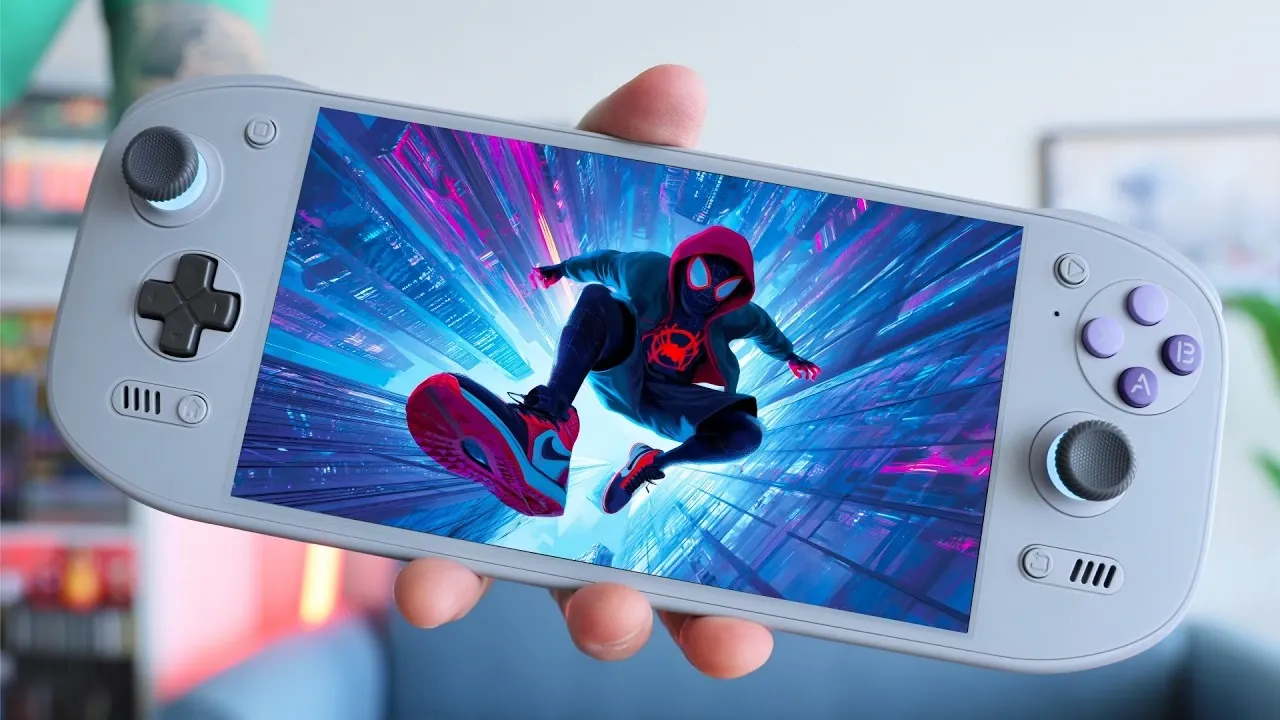
The Odin 3 Portal refines the formula of its predecessor with a larger 7-inch OLED display, upgraded performance, and a redesigned exterior. Powered by the Qualcomm Dragon Wing Q8 processor, it delivers a 62% performance boost over the Odin 2 Portal, excelling in demanding tasks like PS3 and Xbox 360 emulation. However, fast charging underperformed in tests, and its matte-textured edges, while reducing fingerprints, raise durability concerns, according to Retro Game Corps.
Explore how the Odin 3 Portal handles native PC gaming, where lightweight titles like Hades 2 shine but more demanding games face challenges. You’ll also gain insight into its streaming capabilities, which offer near-zero latency and smooth 120 fps performance. Additionally, this report examines the device’s ergonomic changes, including improved analog sticks and quieter buttons, while addressing areas where comfort still falls short.
TL;DR Key Takeaways :
- The Odin 3 Portal features a 7-inch OLED display with a 120 Hz refresh rate, a Qualcomm Dragon Wing Q8 processor, and a 9,000 mAh battery, offering a 12.5% capacity increase over the Odin 3, though fast charging underperformed in tests, reaching only 27 watts instead of the advertised 45 watts.
- Performance tests showed a 62% boost over the Odin 2 Portal, with the device excelling in emulating demanding platforms like PS3, Xbox 360, and PC games, achieving up to 60 fps in titles like Demon Souls and 120 fps in Nintendo Switch games like Mario Kart 8 Deluxe.
- Streaming capabilities are significantly improved, with apps like Apollo and Artemis delivering 1080p at 120 fps streaming and an average decoding time of 0.00 milliseconds, creating an experience nearly indistinguishable from local play.
- Ergonomics and button feel have been modestly improved, with quieter face buttons and a textured back grip, though issues like insufficient pinky support and a plasticky matte-textured edge remain concerns.
- The Odin 3 Portal is available in multiple configurations, starting at $400 for the base model and going up to $669 for the Max tier with 1 TB of storage, offering a larger screen and enhanced performance over the Odin 2 Portal but at higher prices than the Odin 3 non-Portal.
Odin 3 Portal: A Familiar Upgrade with Notable Improvements
The Odin 3 Portal builds on the Odin 2 Portal with a larger screen, improved performance, and a refined design. Featuring a 7-inch OLED display and upgraded internals, it addresses some prior shortcomings. While usability and power see notable gains, issues like button feel and ergonomics persist.
Specifications and Design
Powered by the Qualcomm Dragon Wing Q8 processor, the Odin 3 Portal matches the Odin 3 in performance. This IoT variant of the Snapdragon 8 Elite offers flagship-level power while omitting cellular and camera modules to reduce costs. It runs on Android 15 and supports Wi-Fi 7, Bluetooth 6, and USB-C video out at up to 4K 60 Hz.
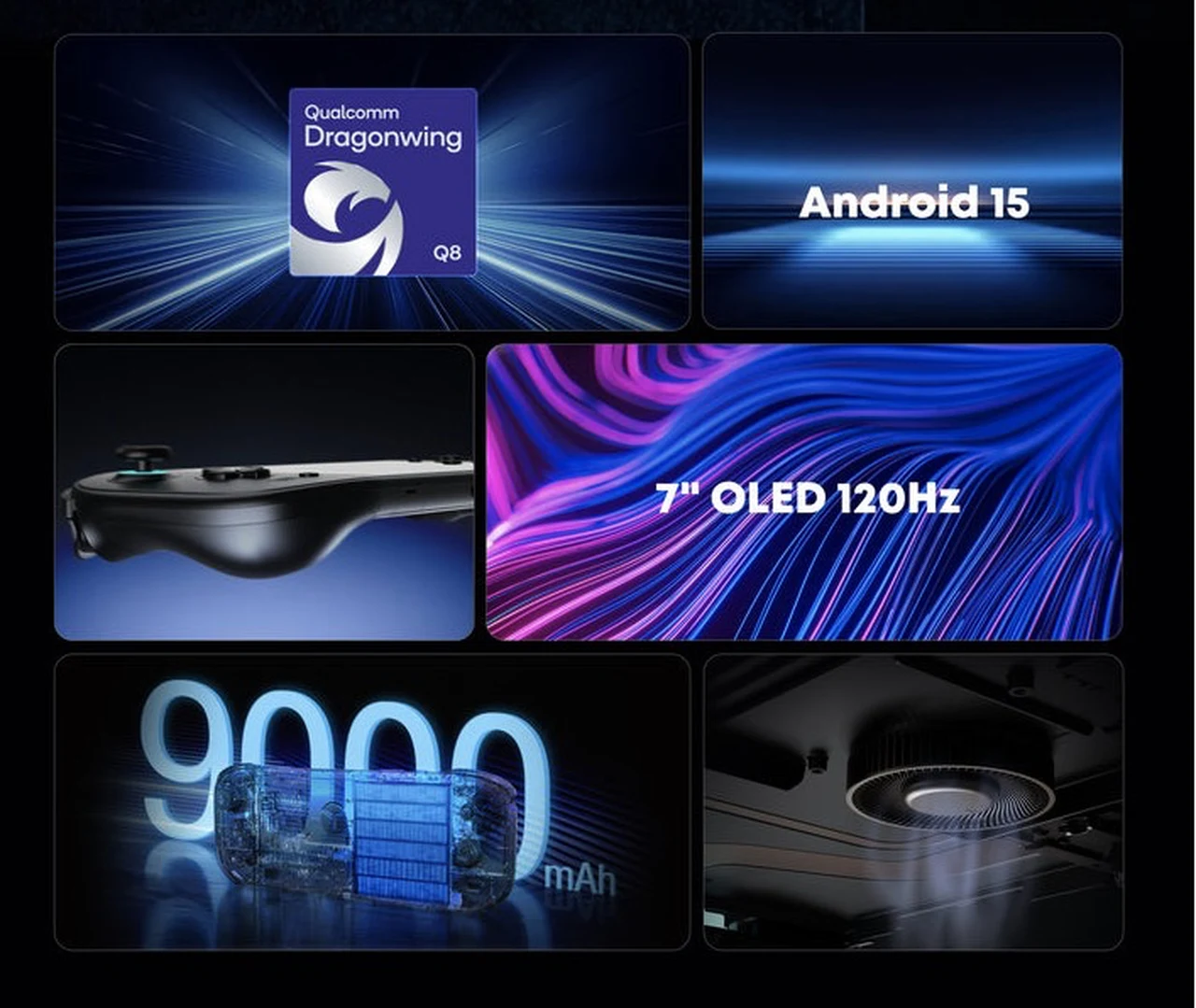
The 7-inch OLED screen has a resolution of 1920×1080 and a 120 Hz refresh rate, maintaining the same specs as the Odin 3 but increasing the display size from 6 inches. A 9,000 mAh battery provides 12.5% more capacity than the Odin 3’s 8,000 mAh battery, though fast charging underperformed in tests, reaching only 27 watts instead of the advertised 45 watts, even with compatible plugs and the included cable.
Weighing 447 grams, the device is 5 grams heavier than the Odin 2 Portal. It retains an all-glass front but introduces a matte-textured edge, reducing fingerprints but sacrificing the premium feel of a fully glass design. This matte finish also raises durability concerns, as it may crack more easily than plastic upon impact. The curved glass front and back create a cohesive aesthetic.
The Odin 3 Portal comes in multiple colors, though the base model is limited to black. The package includes the device, a quick diagram, a spec sheet, and a USB-C charging cable.

Advance your skills in handheld by reading more of our detailed content.
- Valve Confirms Steam Deck 2 with Unreal Engine 5 Support
- Sony’s PlayStation 6 Details Leaks: First Look at the Next-Gen Console
- MSI Claw 8 EX Hits 61% Higher Frame Rates vs ROG Ally X20
- SteamOS Hits 78 FPS in Cyberpunk 2077 on the GPD Win Max 3
- RG56 Pro Max First Look & Performance Guide: What Runs Well & What Struggles
- Pricing for Acer Predator Atlas 8 Starts at £999 in the UK
- New ROG Xbox Ally X20 Hands-on: Upgrades to OLED, Retains APU
- Intel Panther Lake Handheld PCs Expected at $599 To $799
- Ambernick Win600 Delivers X86 Handheld Gaming for Just $99
- $50 Retro Pixel Pocket Pairs a Game Boy Shell with USB-C
Hardware and Ergonomics
The Odin 3 Portal makes modest improvements in hardware and ergonomics. Its analog sticks are larger than those on the Odin 2 Portal, aligning more closely with the Odin 3’s size, though still smaller than console sticks. The face buttons have reduced travel, are quieter, and feel easier to press compared to the Odin 2 Portal’s clackier buttons, though they remain louder than those on the Odin 3 and Retroid Pocket Nova.
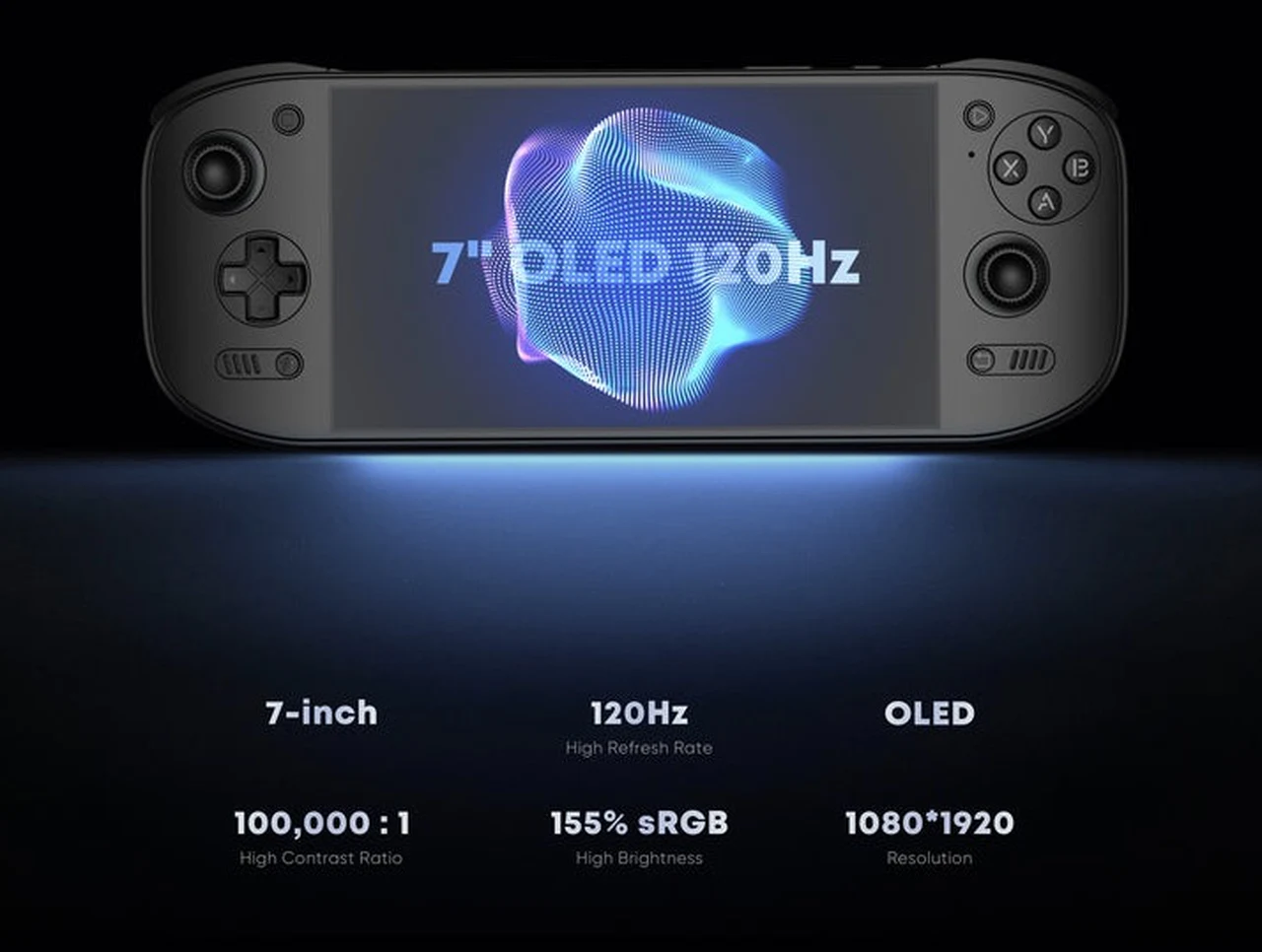
The D-pad uses a dome switch mechanism, offering a clicky yet soft touch. It performs well in precision tests, such as executing Street Fighter-style moves and navigating platformers, making it reliable for these genres. Additional features include two programmable back buttons, dual-firing stereo speakers, and a textured back grip for better handling.
Ergonomics are improved over the Odin 2 Portal’s flat design but remain imperfect. The device offers better support for ring fingers, though pinkies still lack adequate resting space. External grips, similar to those used with the Odin 2 Portal, are expected to improve comfort. The matte-textured sides, while smoother and unique, feel plasticky and may reflect cost-saving measures.
Performance and Gaming
The Odin 3 Portal delivers a 62% performance boost over the Odin 2 Portal, achieving a best loop score of 6375 and a stability of 90.9% in the 3D Mark Wildlife Extreme Stress Test. Using the Cluster Tune app with a medium underclock improved stability to 93%, with higher scores across the board.
The device excels in emulating demanding platforms like PS3, Xbox 360, and PC games, outperforming the Odin 2 Portal in these areas. For example, PS3 emulation with ARM SX3 allowed Demon Souls to run at 60 fps at 1080p, while Ratchet and Clank Quest for Booty maintained near 60 fps with occasional dips and visual artifacts.
Wii U emulation of Breath of the Wild achieved 30-40 fps at 1080p, and Nintendo Switch games like Mario Kart 8 Deluxe ran at 120 fps in docked mode with lossless scaling.
However, the Odin 2 Portal remains sufficient for emulation up to PS2, Nintendo Switch, and light PC games, offering 99% stability compared to the Odin 3 Portal’s 93% with Cluster Tune. Systems like Sega Saturn and PSP performed equally well on both devices, with PSP running at a 4x resolution upscale to match the 1080p display. Emulating PS2, GameCube, and original Xbox games is described as effortless on the Odin 2 Portal.
PC Gaming and Streaming
The Odin 3 Portal supports both native PC gaming and streaming, though native gaming has limitations. Lightweight titles like Hades 2 ran at 115 fps on Linux using Armada, while more demanding games like Prey reached 90 fps but caused CPU temperatures to rise into the low 90s. Some games, such as Spider-Man Miles Morales and Pragmata, faced compatibility issues or crashes. Pragmata occasionally ran out of memory, and Spider-Man Miles Morales froze during action sequences.
Streaming is a standout feature. Apps like Apollo and Artemis delivered 1080p at 120 fps streaming with an average decoding time of 0.00 milliseconds. Network latency measured at 5 milliseconds created an experience nearly indistinguishable from local play. This represents a significant improvement over the Odin 3, which averages a 1.5-millisecond decoding time.
Pricing and Models
The Odin 3 Portal is available in several configurations during pre-order:
- Base model: $400 plus shipping, with 12 GB of RAM and 128 GB of storage
- Pro model: $480 plus shipping, with 12 GB of RAM and 256 GB of storage
- Max tier: $549 for 16 GB of RAM and 512 GB of storage, or $669 for 16 GB of RAM and 1 TB of storage
The Max tier was introduced after customer feedback and was not part of the initial launch lineup. These prices are higher than the Odin 3 non-Portal, which starts at $370 for the base model and is $10-$20 cheaper across Pro and Max tiers.
The Odin 3 Portal offers a compelling option for those seeking a larger screen and improved performance over the Odin 2 Portal. Its 7-inch OLED display, 62% performance boost, and enhanced streaming capabilities make it a strong choice for emulation, streaming, and lightweight PC gaming. However, its ergonomics and button feel still need refinement, and native PC gaming performance remains inconsistent. For users prioritizing emulation and streaming, the Odin 3 Portal is a solid upgrade, particularly with its near-zero latency streaming. Those valuing compactness or consistent PC gaming may prefer the Odin 3 or other handheld PCs. As an incremental upgrade, it is best suited for those prioritizing its larger screen and additional power.
Media Credit: Retro Game Corps
Disclosure: Some of our articles include affiliate links. If you buy something through one of these links, Geeky Gadgets may earn an affiliate commission. Learn about our Disclosure Policy.
