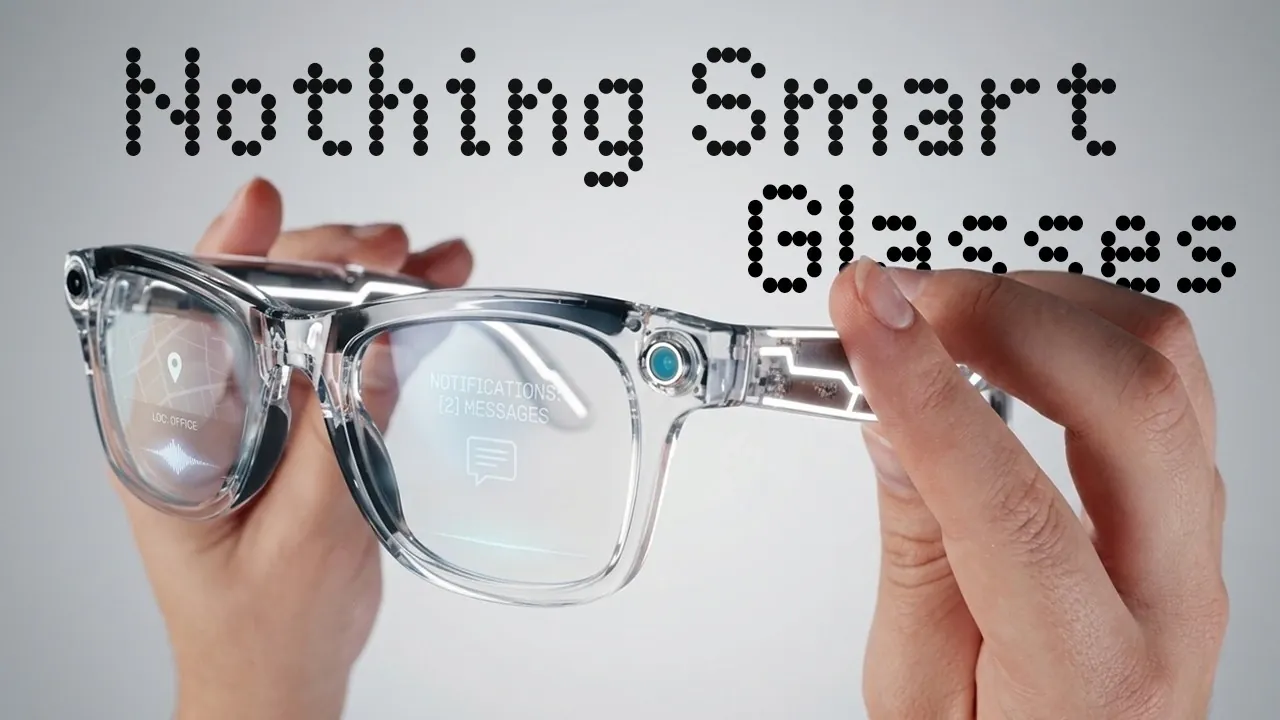
Nothing’s AI smart glasses mark the company’s entry into the growing wearable tech market, where established players like Meta and Samsung dominate. Staying true to its minimalist design philosophy, Nothing emphasizes smartphone integration to achieve a lightweight build and efficient energy use. This approach reflects a deliberate effort to balance core functionality with everyday practicality, as highlighted by TechAvid.
Discover how Nothing addresses key challenges such as pricing, design constraints and user accessibility. Gain insight into the role of glyph lighting design in defining the product’s aesthetic, the strategic considerations behind competitive pricing and how smartphone connectivity shapes the overall functionality of the glasses. This breakdown unpacks the critical factors influencing Nothing’s approach to wearable technology.
A Familiar Yet Strategic Approach
TL;DR Key Takeaways :
- Nothing plans to launch AI-powered smart glasses by 2027, focusing on minimalist design and smartphone integration to enhance convenience and affordability.
- The glasses are expected to feature cameras, microphones, speakers and augmented reality overlays, while relying on smartphones for computational tasks to remain lightweight and energy-efficient.
- Competing in a crowded market dominated by Meta, Samsung and Chinese brands, Nothing aims to differentiate itself through innovative design, competitive pricing and a seamless user experience.
- Design will emphasize practicality and aesthetics, potentially incorporating Nothing’s signature glyph lighting, while making sure comfort, durability and everyday usability.
- Pricing strategy will target a balance between affordability and premium quality, aiming to attract a broad audience and foster brand loyalty in the wearable tech market.
The Nothing AI smart glasses are expected to follow a practical and strategic framework for wearable technology. While the exact specifications remain under wraps, the glasses are likely to include essential features such as:
- Cameras for capturing high-quality photos and videos
- Microphones for voice commands, calls and audio input
- Speakers for immersive audio playback
Unlike standalone devices, these glasses are anticipated to rely heavily on smartphone integration, a deliberate choice aimed at enhancing convenience and affordability. By offloading computational tasks to connected smartphones, the glasses can remain lightweight and energy-efficient, making sure a more comfortable and practical user experience. This approach could appeal to users who prioritize seamless connectivity with their existing devices.
Market Landscape: Competing in a Crowded Space
The smart glasses market is already saturated with competitors offering a range of products. Meta’s Ray-Ban Stories and Samsung’s upcoming models cater to premium users with advanced features, while Chinese brands dominate the budget-friendly segment. For Nothing, entering this space means competing on multiple fronts, including technological innovation, brand identity and pricing.
To stand out, Nothing must deliver a product that not only matches the capabilities of its rivals but also offers a unique value proposition. This could involve using its minimalist design ethos or introducing exclusive features that enhance usability. However, the challenge lies in achieving this without compromising on quality or functionality, especially in a market where consumer expectations are high.

Unlock more potential in smart glasses by reading previous articles we have written.
- Samsung Smart Glasses 2026: Features, Specs, and Release Date
- Apple Glass Early Look: 2026 Release Date & Leaked Features
- Samsung Smart Glasses: Features, Release Date, and
- Apple Glasses: Everything We Know So Far
- Google Smart Glasses with Dockable Earbuds Leaked
- AI Smart Glasses Coming in Weeks: Maverick AI Pro & More
- Samsung’s Smart Glasses Will Transform Wearable Technology
- Ray-Ban Meta Gen 3 Smart Glasses: 2026 Release & Rumors
- Rokid Glasses vs Rokid AI Glasses Style : Display vs Comfort
- Need Prescription Smart Glasses? Meet Meta’s Scriber & Blazer
Design Philosophy: Merging Style with Practicality
Design has always been a cornerstone of Nothing’s identity and the AI smart glasses are expected to reflect this commitment. The inclusion of glyph lighting, a signature feature in Nothing’s existing product lineup, could serve as a distinctive visual element, setting the glasses apart from competitors. However, the design must strike a balance between aesthetics and practicality.
To appeal to a broad audience, the glasses need to be lightweight, comfortable and stylish enough for everyday wear. This means making sure that the glasses are not only visually appealing but also functional and durable. By prioritizing user comfort and usability, Nothing has the potential to create a product that seamlessly integrates into daily life while maintaining its unique design language.
Pricing Strategy: Striking the Right Balance
Pricing will play a pivotal role in Nothing’s strategy to capture market share. Positioned between premium options like Meta and more affordable alternatives from Chinese brands, the glasses are likely to adopt an aggressive pricing model. This approach could make the product accessible to a wider demographic, encouraging early adoption and fostering brand loyalty.
However, achieving the right balance between affordability and perceived value will be critical. If priced too low, the glasses may struggle to convey a sense of premium quality. Conversely, a high price point could alienate potential buyers. By carefully calibrating its pricing strategy, Nothing can position itself as a competitive yet aspirational brand in the wearable tech market.
User Experience: Intuitive and Integrated
Nothing’s focus on smartphone integration suggests a strong emphasis on delivering a seamless and intuitive user experience. By using the processing power of smartphones, the glasses can offer a range of features designed to enhance productivity and convenience, including:
- Voice commands for hands-free operation
- Real-time notifications to keep users connected
- Augmented reality overlays for interactive and immersive experiences
This approach not only simplifies the design of the glasses but also ensures that they remain lightweight and energy-efficient. The goal is to create a product that feels indispensable in daily life, avoiding the pitfalls of overly complex or cumbersome designs. By prioritizing ease of use and seamless integration, Nothing can deliver a product that resonates with tech-savvy consumers and casual users alike.
Long-Term Success: Beyond Aesthetics
While Nothing’s minimalist design and signature glyph lighting may initially attract attention, long-term success will require more than just visual appeal. The brand must establish a clear and compelling value proposition, whether through exclusive AI capabilities, superior integration with its ecosystem, or innovative use cases that address real-world needs.
Without a distinct differentiator, the glasses risk being overshadowed by competitors with more established market presence. To avoid this, Nothing must focus on delivering a product that not only looks good but also offers tangible benefits that enhance the user experience. This could involve exploring new applications for augmented reality or developing features that seamlessly integrate with other Nothing devices.
A High-Stakes Venture into Wearable Technology
The Nothing AI smart glasses represent an ambitious move into a highly competitive and rapidly evolving market. By focusing on design, pricing and user experience, the brand has the potential to carve out a niche for itself and attract a loyal customer base. However, the road ahead is fraught with challenges and Nothing’s ability to stand out in a crowded field will ultimately determine the success of this venture. As the 2027 launch approaches, the industry will be watching closely to see how Nothing’s vision for wearable technology unfolds.
Media Credit: TechAvid
Disclosure: Some of our articles include affiliate links. If you buy something through one of these links, Geeky Gadgets may earn an affiliate commission. Learn about our Disclosure Policy.
