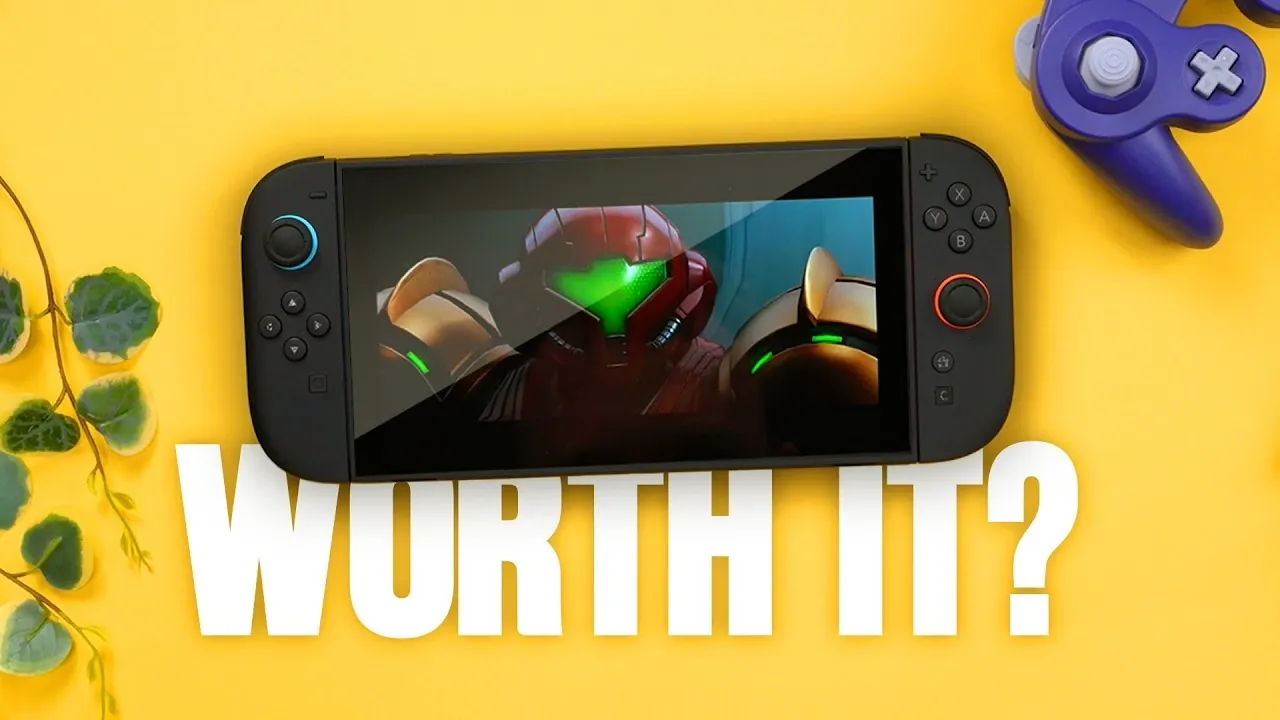
Is the Nintendo Switch 2 the gaming revolution it promised to be, or does it fall short of the hype? Six months after its release, this question still sparks heated debates among gamers. In the video, Tech Fowler breaks down the console’s strengths and shortcomings, offering a thoughtful look at whether it’s worth the investment. With its upgraded hardware, sharper display, and backward compatibility, the Switch 2 aims to elevate the hybrid gaming experience. Yet, its higher price tag and limited exclusive titles have left some fans questioning whether the leap is justified. If you’re on the fence about upgrading or diving into the Nintendo ecosystem for the first time, this assessment might just have the answers you’re looking for.
Throughout this overview, you’ll discover what makes the Switch 2 a standout in some areas and a tough sell in others. From its HDR10-enabled display and 120Hz refresh rate to its ergonomic design and magnetic Joy-Con system, the console packs plenty of upgrades. But does it justify the $450 price point, especially with first-party games now costing $80? And what about the battery life, does it hold up for marathon gaming sessions? Whether you’re a long-time Nintendo fan or a curious newcomer, this breakdown will help you weigh the pros and cons of the Switch 2, leaving you with a clearer picture of whether it’s the right console for your gaming needs.
Nintendo Switch 2 Overview
TL;DR Key Takeaways :
- The Nintendo Switch 2 features significant hardware upgrades, including a 7.9-inch 1080p HDR10 display with a 120Hz refresh rate, improved ergonomics, and a magnetic Joy-Con attachment system for better usability.
- Powered by a custom Nvidia chipset and 12GB of RAM, the console delivers faster load times and smoother gameplay, with enhanced performance in select first-party and third-party titles.
- Backwards compatibility with the original Switch library ensures access to a wide range of games, though some titles require paid upgrades for improved performance.
- The console’s higher price point ($450) and increased cost of first-party games ($80) may deter budget-conscious buyers, especially given the limited selection of exclusive titles six months post-launch.
- While the Switch 2 offers a polished and versatile gaming experience, its value is more compelling for newcomers or those upgrading from older models, rather than existing Switch OLED owners.
Key Design and Hardware Upgrades
The Nintendo Switch 2 retains the hallmark hybrid design that allows seamless transitions between handheld and docked modes. Its 7.9-inch 1080p LCD display now incorporates HDR10 and a 120Hz refresh rate, offering sharper visuals and smoother gameplay. These enhancements make the gaming experience more immersive, particularly for visually demanding titles. Additionally, ergonomic improvements such as rounded edges, larger buttons, and a sturdier, adjustable kickstand ensure greater comfort during extended play sessions.
One of the standout innovations is the new magnetic Joy-Con attachment system, which provides a more secure and reliable connection compared to the original model. When docked, the console supports 4K output at 60Hz, allowing crisp visuals on compatible TVs. The inclusion of Ethernet connectivity ensures stable online play, while additional USB ports allow for greater versatility with peripherals. Furthermore, backwards compatibility with the original Nintendo Switch library ensures access to a wide range of games, though some titles require paid upgrades to unlock enhanced performance features.
Performance: A Notable Leap Forward
The Nintendo Switch 2 is powered by a custom Nvidia chipset paired with 12GB of LPDDR5X RAM, resulting in faster load times and smoother gameplay. This hardware upgrade is particularly evident in first-party titles such as Mario Kart World and Metroid Prime 4, which are optimized to showcase the console’s capabilities. Select third-party games also benefit from these improvements, offering enhanced graphics and performance.
However, it’s worth noting that not all backward-compatible games experience significant performance boosts unless upgraded, often at an additional cost. This may be a consideration for players who already own a substantial library of Nintendo Switch titles and are looking for noticeable improvements across the board.
Nintendo Switch 2 Review After 6 Months

Dive deeper into Nintendo Switch 2 with other articles and guides we have written below.
- How the Nintendo Switch 2 Became 2025’s Hottest Gaming Console
- Switch 2 Specs & Details Revealed
- Nintendo Switch 2 Review: Features, Performance, and Design
- Switch 2 Review : Performance, Features and Games
- Nintendo Switch 2: Features, Performance, and More
- Nintendo Switch 2 Accessories: Controllers, Cases, and More
- Switch 2 Online Services: What’s Changing
- Nintendo Switch 2 vs. Original Switch
- Everything You Need to Know About the Nintendo Switch 2
- How the Nintendo Switch 2 Redefines Portable Gaming
Battery Life and Charging
Battery performance on the Nintendo Switch 2 varies depending on the demands of the game being played. For graphically intensive titles, you can expect around 2.5 hours of gameplay on a single charge, while less demanding games may extend battery life to approximately 6.5 hours. Recharging the console takes about three hours, which is consistent with the previous generation. While the battery life is adequate for most gaming sessions, it may fall short for players who frequently engage in extended play without access to charging options.
Game Library: Strengths and Shortcomings
One of the Nintendo Switch 2’s key advantages is its extensive game library, bolstered by backwards compatibility with Nintendo Switch 1 titles. This feature ensures that players can continue enjoying their favorite games from the previous generation without needing to repurchase them. However, the console’s lineup of exclusive titles remains relatively limited six months after launch. Notable new releases include Donkey Kong Bonanza, Mario Kart World, and Metroid Prime 4. These games highlight the console’s potential but may not be sufficient to satisfy players seeking a broader selection of exclusives.
Another point of contention is the pricing of first-party games, which now cost $80, a noticeable increase from the $60 standard of the previous generation. This higher price point may deter some players, particularly those who are accustomed to more affordable gaming options.
Cost and Value Considerations
The Nintendo Switch 2 is priced at $450, making it more expensive than its predecessor. Accessories, such as the dock and additional controllers, also come with higher price tags. The rising cost of components like RAM and other hardware could lead to further price increases in the future. While the console offers meaningful improvements in performance, design, and functionality, its high cost of entry may be a barrier for budget-conscious buyers.
For those upgrading from an older model or entering the Nintendo ecosystem for the first time, the Switch 2 provides a polished and versatile gaming experience. However, existing owners of the Switch OLED or newer models may find the improvements less compelling, especially given the limited number of exclusive titles currently available.
Strengths and Weaknesses
- Strengths: The Nintendo Switch 2 excels in portability and hybrid functionality, making it a versatile option for both casual and dedicated gamers. Its improved ergonomics, sharper display with HDR10 and 120Hz refresh rate, and backwards compatibility with a vast game library enhance its appeal. These features make it particularly suitable for multiplayer and family gaming.
- Weaknesses: The console’s high price, coupled with the increased cost of first-party games, may deter some buyers. Additionally, the limited number of exclusive titles at launch and the absence of an OLED display are notable drawbacks. It also lacks the raw power of gaming PCs or other high-performance handheld gaming devices, which may be a consideration for players seeking innovative graphics and performance.
Is the Nintendo Switch 2 Right for You?
The Nintendo Switch 2 is a compelling choice for gamers seeking a portable, versatile console with access to Nintendo’s extensive ecosystem. Its improvements in performance, design, and functionality make it a worthwhile investment for newcomers or those upgrading from older models. However, if you already own a Switch OLED or a newer model, you may want to wait for a broader selection of exclusive titles or potential price reductions before making the leap.
Six months after its release, the Nintendo Switch 2 has established itself as a refined evolution of its predecessor. It excels in portability, hybrid functionality, and access to a vast game library, making it an excellent choice for newcomers to the Nintendo ecosystem. However, its high price and limited exclusives may make it less appealing to existing Switch owners. For those seeking a polished and versatile gaming experience, the Switch 2 delivers on its promise while staying true to Nintendo’s legacy of innovation and entertainment.
Media Credit: Tech Fowler
Disclosure: Some of our articles include affiliate links. If you buy something through one of these links, Geeky Gadgets may earn an affiliate commission. Learn about our Disclosure Policy.
