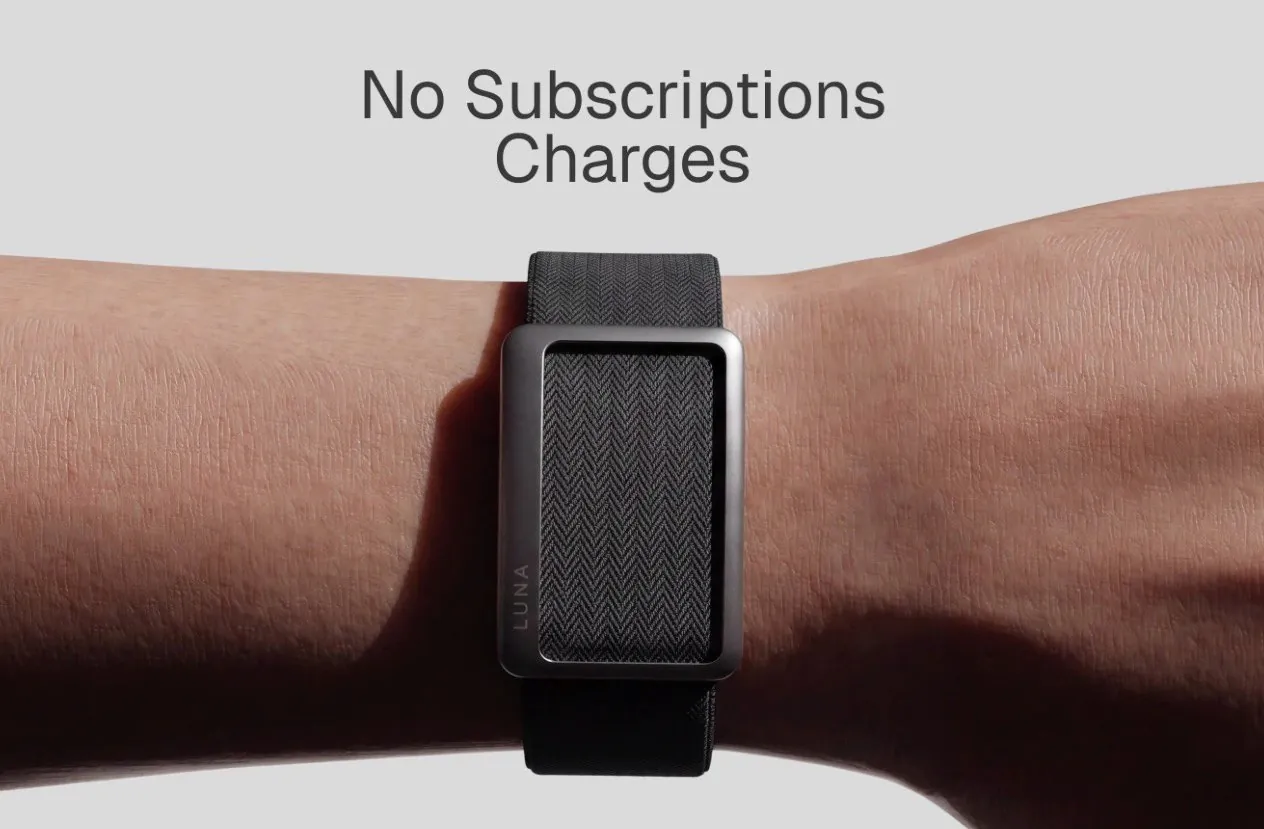
The Luna Band, a $150 wearable, aims to stand out with its sleek, modular design and customizable app interface. However, as The Quantified Scientist highlights in their initial review, the device struggles to deliver on its core promise of reliable health tracking. For instance, its heart rate monitoring shows inconsistent results, particularly during exercise, where rapid changes in heart rate often lead to erratic data. These issues, coupled with challenges in sleep stage tracking and sensor placement, raise questions about its suitability for users who prioritize accuracy over aesthetics.
In this breakdown, you’ll gain insight into the Luna Band’s performance across key features, including its heart rate and sleep tracking capabilities. Explore how its app interface balances a modern design with usability limitations and understand how it compares to established competitors like the Fitbit Air and Garmin Circa. Whether you’re considering the Luna Band for its style or functionality, this overview will help you weigh its strengths and shortcomings against your needs.
TL;DR Key Takeaways :
- The Luna Band, priced at $150, features a sleek, modular design but struggles with core functionality, particularly in health tracking accuracy.
- Heart rate monitoring delivers mixed results, performing reasonably well during rest but failing to provide reliable data during exercise.
- Sleep tracking is inconsistent, often misclassifying sleep stages, making it less useful for users focused on improving sleep health.
- The app interface is visually appealing and customizable but relies heavily on internet connectivity, with key features like VO2 max and SpO2 tracking still under development.
- Shipping times are longer compared to competitors and the Luna Band faces stiff competition from more accurate and reliable alternatives like Fitbit Air and Garmin Circa.
Heart Rate Tracking: Inconsistent Results
Heart rate monitoring is a critical feature for any wearable and the Luna Band delivers mixed results in this area. During nighttime use, its readings align reasonably well with reference devices, offering a degree of reliability for tracking resting heart rates. However, its performance during exercise is far less consistent. The device frequently records erratic data, with deviations that undermine its utility for fitness tracking. For example, during high-intensity workouts, the Luna Band often fails to keep pace with rapid heart rate changes, leading to inaccurate readings.
In comparison, competitors like the Fitbit Air excel in both resting and active heart rate monitoring, providing users with reliable data across a variety of activities. This inconsistency makes the Luna Band less appealing for fitness enthusiasts who rely on precise metrics to optimize their training routines.
Sleep Stage Tracking: Lacking Precision
Sleep tracking is another area where the Luna Band falls short. Over two nights of testing, the device frequently misclassified sleep stages, providing unreliable insights into sleep patterns. For instance, periods of light sleep were often recorded as deep sleep and REM stages were inconsistently identified. Accurate sleep data is essential for users aiming to improve their sleep health, and the Luna Band’s performance in this area does not meet the standard set by alternatives like the Garmin Circa.
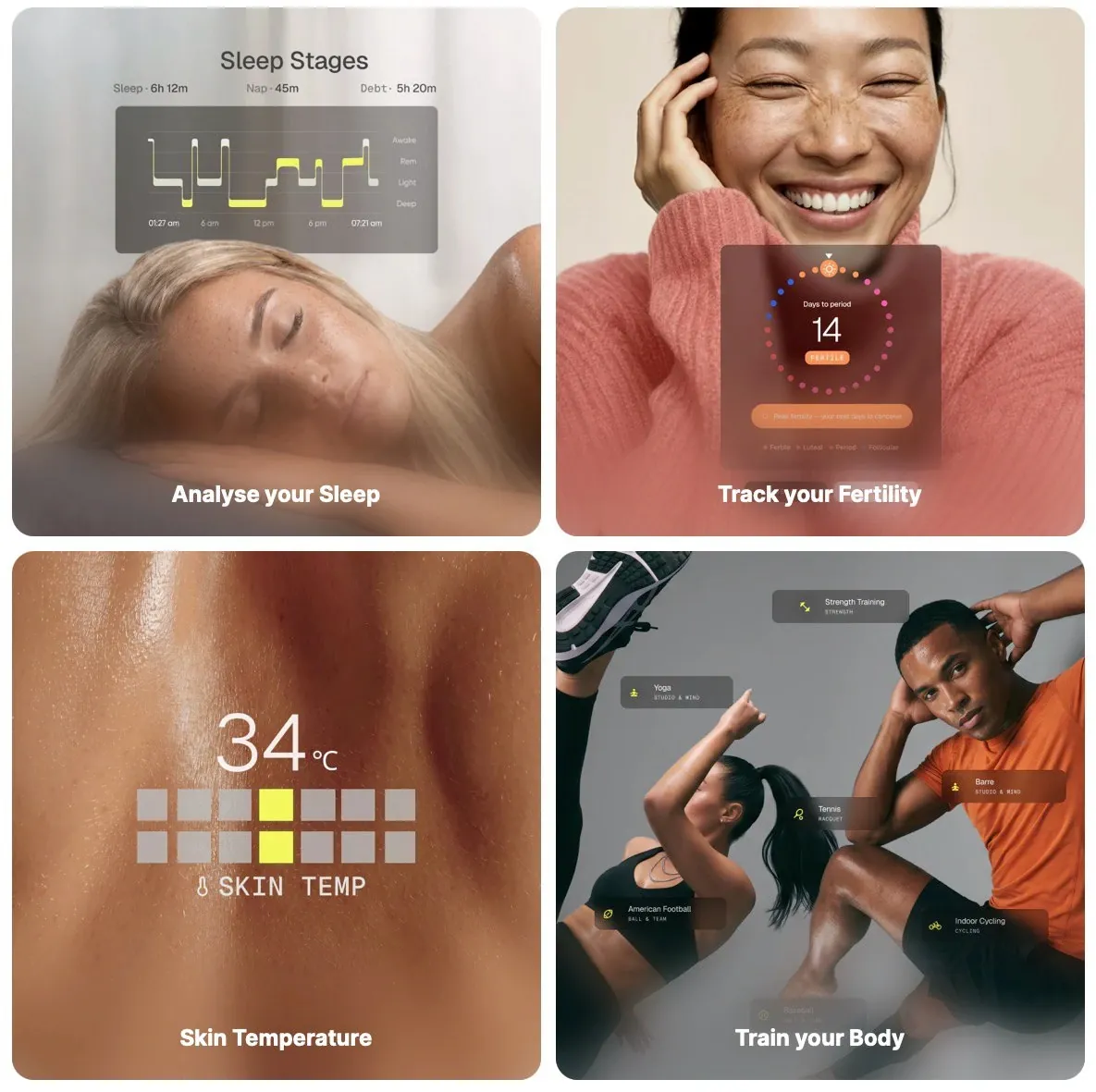
Without precise sleep tracking, the device struggles to deliver meaningful health insights. Users who depend on wearables to monitor and enhance their sleep quality may find the Luna Band’s limitations frustrating, especially when compared to competitors that offer detailed and accurate sleep analysis.

Learn more about fitness tracker with other articles and guides we have written below.
- Amazfit Helio Strap Pro Unveils a Triple-Position Sensor System
- Garmin CIRQA Offers a Screenless $199 Alternative to Oura Ring
- Google and WHOOP Should Be Worried About Apple’s Rumored ‘Watch Air’
- Garmin CIRQA vs WHOOP 5.0: Which Fitness Tracker Should You Buy?
- Screenless Garmin CIRQA for Unobtrusive Fitness Tracking with a $199 Price Tag
- Google Fitbit Air: Why a Screenless Tracker is the Perfect Smartwatch Antidote
- £180 Garmin CIRQA Smart Band Requires No Subscription
- Garmin CIRQA vs Fitbit Air: $200 Premium Beats $100 Value
- Optional Garmin Connect Plus Adds AI Insights to Garmin CIRQA
- Apple Watch Ultra 4 Leak Reveals Huge Upgrades
App Interface: A Mixed Experience
The Luna Band’s app interface is one of its standout features, offering a modern and intuitive design. Its modular approach allows users to customize their experience, tailoring the app’s layout and features to suit individual preferences. The visuals are sleek and navigation is straightforward, making it accessible even for first-time users.
However, the app’s reliance on internet connectivity creates usability challenges. Without a stable connection, several features, such as real-time syncing and advanced analytics, become inaccessible, limiting its functionality in offline scenarios. Additionally, exporting health data is cumbersome, requiring multiple steps that may frustrate users who wish to integrate their information with other platforms.
Key features like VO2 max and SpO2 tracking remain under development, further reducing the app’s utility at launch. While the interface shows promise, these limitations hinder its ability to provide a seamless and comprehensive user experience.
Shipping and Buying Experience
The Luna Band ships from Asia, which results in longer delivery times compared to competitors. During testing, no additional import fees were incurred, but the extended shipping timeline, ranging from two to three weeks, may deter potential buyers. Established brands often provide faster and more reliable shipping options, enhancing the overall purchasing experience.
For users accustomed to quick delivery and robust customer support, the Luna Band’s shipping process may feel less convenient. This aspect, combined with its performance shortcomings, could influence purchasing decisions, especially for those seeking a hassle-free buying experience.
Comparison with Competitors
When compared to established alternatives like the Fitbit Air, Garmin Circa and Amazfit Helio Strap, the Luna Band struggles to compete in several key areas. These devices offer superior accuracy in health tracking, more robust software ecosystems and seamless data export capabilities. For instance, the Fitbit Air provides highly accurate heart rate and sleep tracking, while the Garmin Circa excels in fitness metrics and durability.
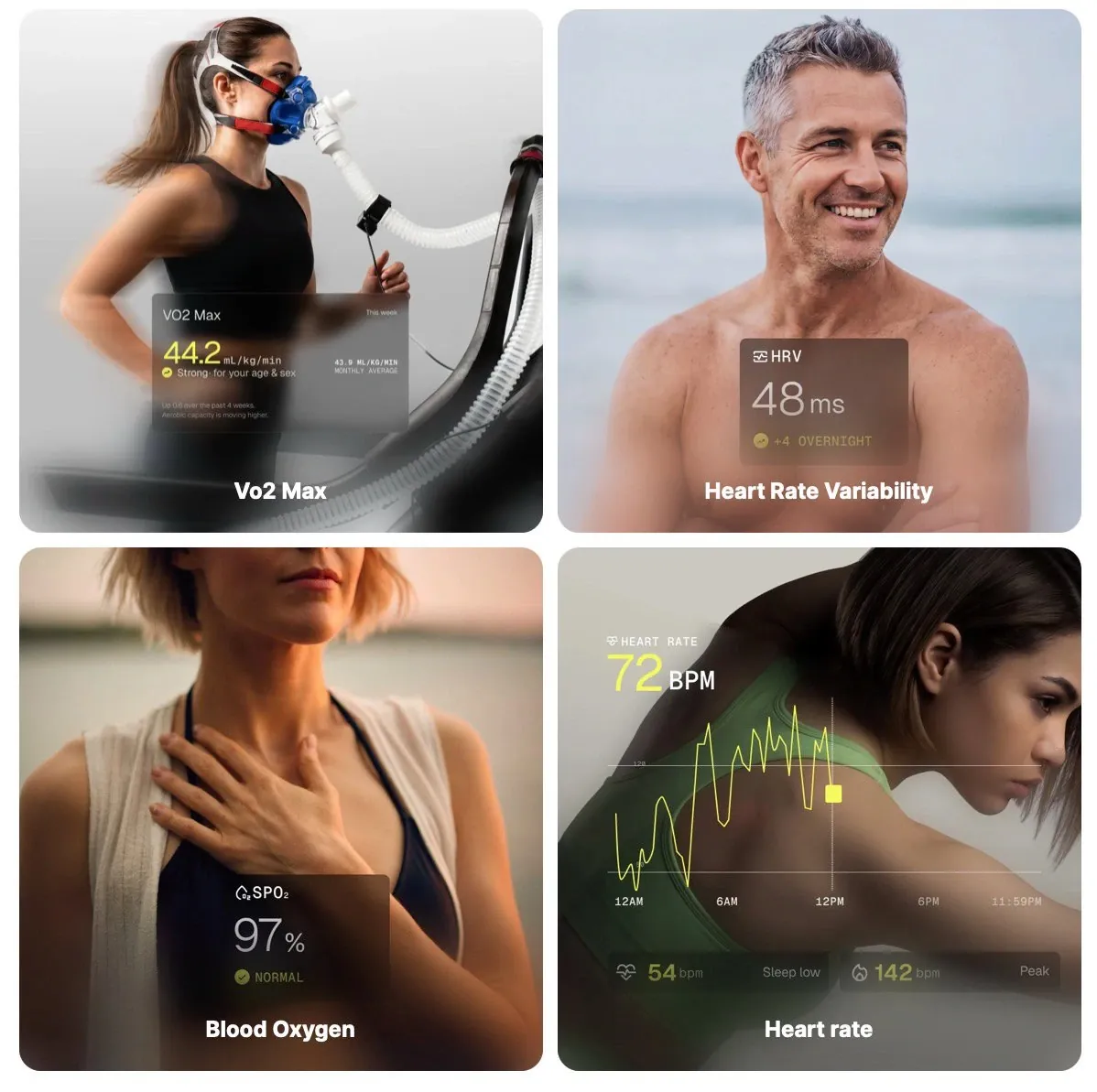
In contrast, the Luna Band’s inconsistent performance and limited app functionality make it less appealing for users seeking dependable performance. While its design and customization options are noteworthy, they are not enough to offset its shortcomings in accuracy and reliability.
Design and Sensor Placement
The Luna Band’s modular design is one of its most appealing features, allowing users to swap straps for a personalized look. This level of customization is rare in the wearable market and adds a unique touch to the device. However, its sensor placement appears to contribute to its inconsistent performance.
Accurate health tracking relies heavily on proper sensor alignment and the Luna Band’s design may not ensure optimal contact with the skin during all activities. This issue is particularly noticeable during exercise, where movement can disrupt sensor readings. Addressing this flaw could significantly improve the device’s overall performance and user satisfaction.
Potential for Improvement
The Luna Band impresses with its sleek design and customizable app interface, but its inability to deliver reliable health data limits its appeal. Competitors like the Fitbit Air and Garmin Circa outperform it in accuracy, functionality, and overall value, making them better choices for users who prioritize dependable health tracking.
While the Luna Band shows potential, it currently falls short of carving out a strong position in the crowded wearable market. For users seeking a balance of style and performance, established alternatives remain the more reliable investment. However, with targeted improvements in sensor accuracy, app functionality, and shipping logistics, the Luna Band could evolve into a more competitive option in the future.
Media Credit: The Quantified Scientist
Disclosure: Some of our articles include affiliate links. If you buy something through one of these links, Geeky Gadgets may earn an affiliate commission. Learn about our Disclosure Policy.
