Google has updated its Android distribution figures, and the latest ones cover the seven-day period until the 16th of April 2018.
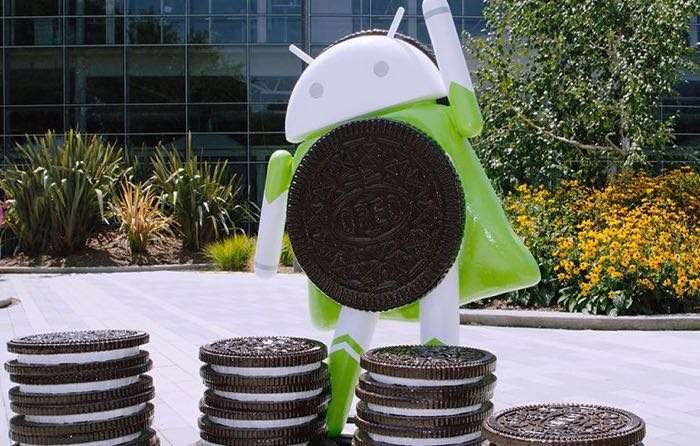
The latest Android distribution figures show that Android Oreo is now on 4.6 percent of devices, with 0.5% on 8.1 and 4.1 percent on 8.0. This marks a steady increase from previous months, indicating that more manufacturers and users are adopting the latest version of the operating system. Android Oreo introduced several new features, including picture-in-picture mode, notification dots, and improved battery optimization, which have been well-received by users.
Android Nougat and Marshmallow
Android Nougat remains the most widely used version, installed on 30.8 percent of Android devices. Nougat brought significant improvements over its predecessors, such as split-screen multitasking, enhanced notifications, and better performance. Its widespread adoption can be attributed to its stability and the fact that many devices released in the past couple of years came with Nougat pre-installed.
Following Nougat, Android Marshmallow is on 26 percent of devices. Marshmallow introduced features like Doze mode for better battery life, app permissions for enhanced security, and Google Now on Tap for contextual information. Despite being released in 2015, Marshmallow’s robust performance and feature set have kept it relevant among users and manufacturers.
Older Android Versions
Android Lollipop is still present on 22.9 percent of devices. Released in 2014, Lollipop brought a major visual overhaul with the introduction of Material Design, which set the standard for Android’s user interface. It also introduced features like Smart Lock and improved notifications. Its continued presence indicates that many older devices are still in use, and users are satisfied with its performance.
Android KitKat, which was released in 2013, is on 10.5 percent of devices. KitKat was known for its optimization for lower-end devices and introduced features like immersive mode and a revamped phone dialer. Despite its age, KitKat’s lightweight nature makes it suitable for devices with limited hardware capabilities.
The rest of the distribution is made up of Jelly Bean, Ice Cream Sandwich (ICS), and Gingerbread. These versions account for a small percentage of devices, reflecting their age and the fact that most users have moved on to newer versions. Jelly Bean, released in 2012, brought Project Butter for smoother performance and Google Now for predictive assistance. ICS, released in 2011, introduced the Holo design language and improved multitasking. Gingerbread, released in 2010, brought features like NFC support and a redesigned keyboard.
The fragmentation of Android versions has been a long-standing issue, with many devices running older versions of the operating system. This can pose challenges for developers who need to ensure compatibility across multiple versions and for users who may miss out on the latest features and security updates. However, Google has been working to address this issue with initiatives like Project Treble, which aims to make it easier for manufacturers to update their devices to newer versions of Android.
You can find out more details about the latest distribution figures for Android over at the Android Developers website at the link below.
Source Android Developers
Disclosure: Some of our articles include affiliate links. If you buy something through one of these links, Geeky Gadgets may earn an affiliate commission. Learn about our Disclosure Policy.
