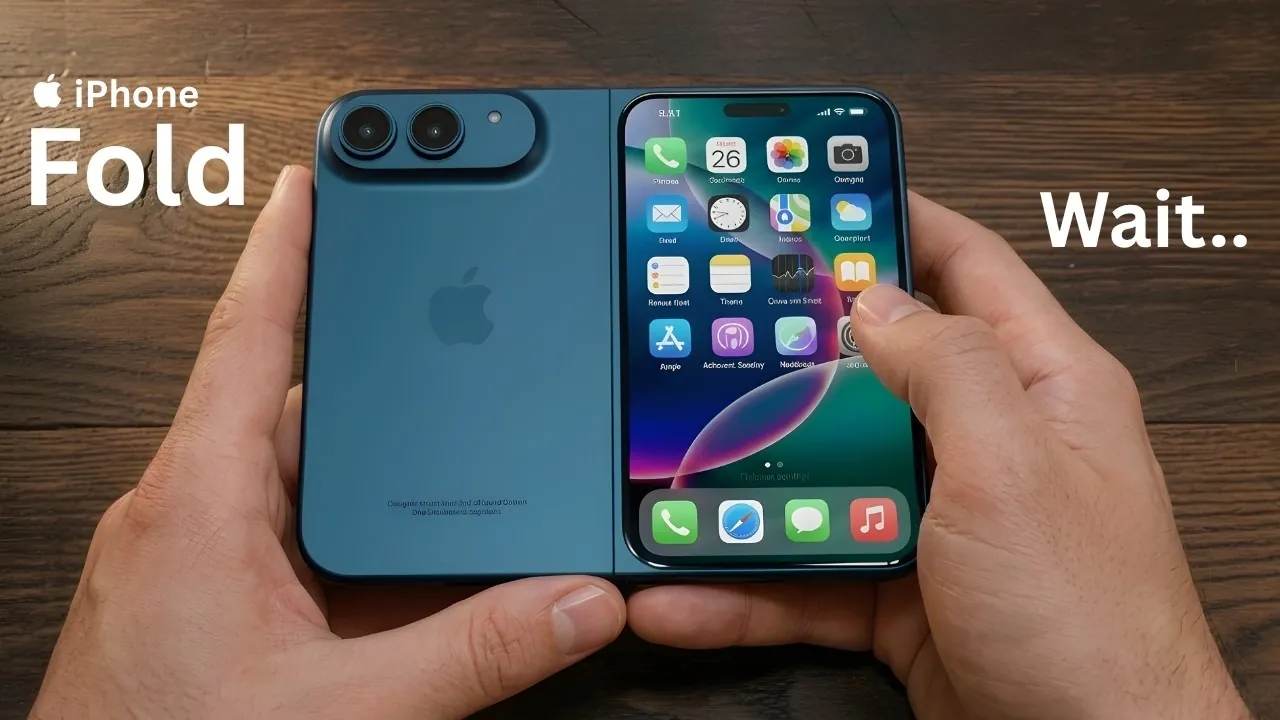
Apple’s much-anticipated entry into the foldable phone market is generating both excitement and skepticism. Reports indicate that the tech giant plans to unveil its first foldable iPhone in September 2026, aligning with its 50th anniversary. This milestone product, rumored to be part of the iPhone 18 Pro and Pro Max lineup, is expected to merge innovation with Apple’s hallmark user experience. However, the challenges of engineering and production raise a critical question: will this ambitious move reinforce Apple’s dominance in the tech industry, or could it risk tarnishing its reputation for excellence?

The Significance of the 2026 Launch
The decision to launch the foldable iPhone during Apple’s 50th anniversary is a calculated move. This timing underscores the strategic importance of the device, positioning it as more than just another product; it’s a declaration of Apple’s vision for the future. By entering the foldable market years after competitors like Samsung and Oppo, Apple appears to be taking a deliberate approach, prioritizing refinement over speed. This delay suggests the company is focused on delivering a polished, high-quality device rather than rushing to compete in an already saturated market. For you, this could mean a foldable phone that is not only innovative but also reliable and thoughtfully designed.
Innovating Foldable Design
One of the most anticipated aspects of Apple’s foldable iPhone is its display technology. Current foldable phones, such as the Samsung Galaxy Z Fold and Oppo Find N series, often struggle with visible creases that detract from the overall user experience. Apple is reportedly addressing this issue by developing a display with near-invisible creases and exceptional flatness. If successful, this innovation could set a new benchmark for foldable devices.
Additionally, Apple is placing a strong emphasis on durability. The foldable mechanism is expected to feel robust and seamless, addressing concerns about the longevity of foldable devices. For you, this could translate to a device that not only looks sleek but also withstands the rigors of daily use, offering a premium experience that aligns with Apple’s reputation for quality.
Overcoming Engineering Challenges
Developing a foldable iPhone that meets Apple’s exacting standards is a complex undertaking. The company has faced significant delays due to the intricate design and production process. Samsung, a leader in foldable display technology, is expected to handle the mass production of the displays. However, meeting Apple’s stringent quality requirements has proven to be a challenge.
These delays highlight Apple’s commitment to delivering a flawless product, even if it means entering the market later than its competitors. For you, this approach could result in a foldable iPhone that is more reliable and refined, avoiding the pitfalls that have plagued earlier foldable devices. Apple’s meticulous attention to detail may ensure that the device not only meets but exceeds expectations.
Competing in a Crowded Market
The foldable phone market is already highly competitive, with established players like Samsung and Oppo setting the standard. Samsung’s Galaxy Z Fold series has become synonymous with foldable technology, while Oppo’s Find N6 is gaining traction for its compact design and innovative features. Apple’s entry into this space could disrupt the market, but only if the foldable iPhone delivers on its promises.
As a potential user, you might wonder whether Apple can truly redefine the foldable phone experience or if it’s merely playing catch-up. The stakes are undeniably high. Success could solidify Apple’s position as a leader in innovation, while failure could serve as a cautionary tale about the risks of entering a competitive market late. For you, the foldable iPhone represents both an exciting opportunity and a test of Apple’s ability to innovate under pressure.
Apple’s Deliberate Strategy
Apple’s approach to the foldable iPhone reflects its broader philosophy: prioritize quality over speed. By waiting until 2026, the company is allowing itself the time needed to refine the product and address the challenges that have hindered early foldable devices. This deliberate strategy suggests that Apple is not merely following trends but is instead aiming to set a new standard for foldable technology.
For you, this means the foldable iPhone could offer a more reliable, user-friendly and innovative experience compared to its competitors. Apple’s focus on quality and user experience may result in a device that not only meets but exceeds your expectations, providing a glimpse into the future of mobile technology.
The High Stakes of Innovation
The foldable iPhone represents a pivotal moment for Apple. On one hand, it has the potential to transform the foldable phone market with advanced display technology, a seamless user experience and a strategic launch tied to its 50th anniversary. On the other hand, the challenges of engineering, production and intense market competition make this a risky endeavor.
As someone interested in innovative technology, you’re likely aware that the success or failure of this device could shape the trajectory of foldable technology for years to come. Apple’s ability to deliver on its promises will determine whether the foldable iPhone becomes a defining product or a costly misstep. For you, this device could either set a new benchmark for innovation or serve as a reminder of the challenges inherent in pushing technological boundaries.
Unlock more potential in Foldable iPhone by reading previous articles we have written.
- iPhone Fold Design and Features: What Makes It a Fantastic option
- Apple’s iPhone Fold: Everything We Know So Far
- iPhone Fold Rumors: What to Expect from Apple’s First Foldable
- Apple’s Foldable iPhone: Release Date, Specs and More
- Iphone Ultra Foldable Iphone Launch Timing Shift to December 2026
Source & Image Credit: Talks Daily Tech
Disclosure: Some of our articles include affiliate links. If you buy something through one of these links, Geeky Gadgets may earn an affiliate commission. Learn about our Disclosure Policy.
