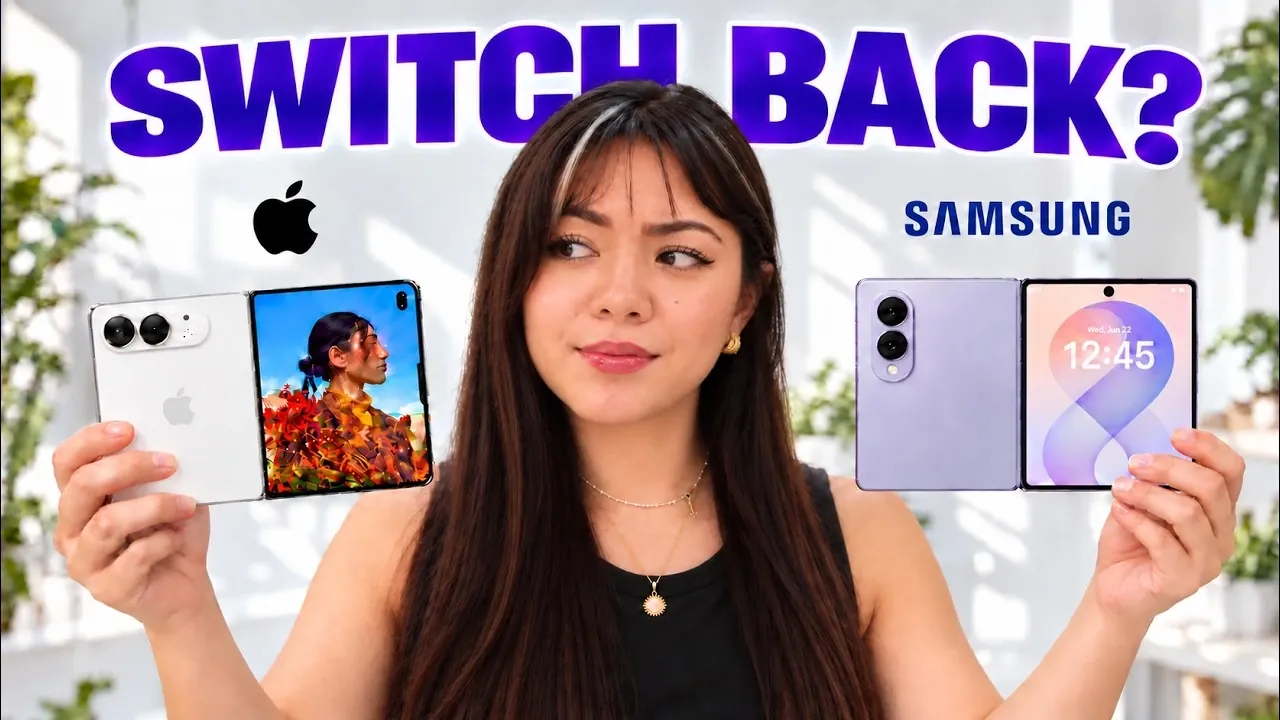
Switching from an iPhone to the Samsung Galaxy Z Fold was a deliberate choice for Jasmine Uniza, driven by the appeal of folding technology and the device’s ability to function as both a smartphone and tablet. Over six months, the Galaxy Z Fold proved its value with features like its expansive screen for multitasking and hardware optimized for productivity. However, Apple’s recent release of the iPhone Duo, a folding phone designed to integrate seamlessly with its ecosystem, raises questions about the trade-offs between hardware capabilities and ecosystem compatibility.
Explore the Galaxy Z Fold’s multitasking advantages, including its split-screen functionality and the adjustments required when transitioning to a different operating system. Gain insight into the iPhone Duo’s unique features, such as app-specific layouts and its integration with FaceTime and iMessage. This explainer offers a side-by-side comparison to help you better understand the strengths and limitations of each device.
Why the Switch to Samsung
TL;DR Key Takeaways :
- The Samsung Galaxy Z Fold offers a unique dual form factor, combining smartphone portability with tablet functionality, making it ideal for multitasking and productivity.
- Samsung has demonstrated leadership in folding technology with advancements in durability and software optimization in its Galaxy Z Fold 7 and 8 models.
- Switching from Apple’s ecosystem highlighted the loss of seamless features like FaceTime, AirDrop, iMessage and Find My Friends, which are difficult to replicate outside of Apple’s ecosystem.
- Apple’s iPhone Duo introduces a folding phone with deep ecosystem integration, tailored app layouts and advanced features, but its high price point and transition costs pose challenges for users switching back.
- The competition between Samsung and Apple in the folding phone market is driving innovation, with individual preferences for ecosystem integration, design and budget playing a key role in user choices.
The decision to transition from the iPhone to Samsung’s Galaxy Z Fold was driven by a desire to explore the possibilities of folding technology. Samsung’s Galaxy Z Fold series stood out for its ability to merge two devices into one, offering a smartphone’s convenience alongside the expansive screen real estate of a tablet. This dual form factor proved invaluable for multitasking, streaming videos and editing documents on the go.
Samsung’s commitment to innovation in folding technology was evident in the Galaxy Z Fold 7 and Fold 8 models. These devices showcased significant advancements in hardware durability and software optimization, creating a seamless user experience. The futuristic design, coupled with practical functionality, made the Galaxy Z Fold a standout choice for those seeking innovative technology.
For someone eager to embrace innovation, the Galaxy Z Fold delivered on its promise, offering a glimpse into the future of mobile devices.
What I Missed About the Apple Ecosystem
While the Galaxy Z Fold excelled in hardware and innovation, leaving Apple’s ecosystem came with notable trade-offs. Apple’s ecosystem is renowned for its seamless integration across devices and several features stood out as significant losses:
- Find My Friends: This feature made coordinating meetups and staying connected with friends effortless. Its absence was immediately felt, as no alternative offered the same level of convenience.
- FaceTime: The simplicity and reliability of FaceTime for video calls were unmatched. Transitioning to alternative platforms felt less intuitive and lacked the same quality.
- AirDrop: Sharing files between Apple devices was seamless and fast. While Samsung’s Quick Share provided a functional alternative, it lacked the intuitive ease of AirDrop.
- iMessage: Apple’s messaging platform offered a polished and integrated experience that RCS and WhatsApp struggled to replicate, especially in group chats and multimedia sharing.
These features underscored the strength of Apple’s ecosystem, which prioritizes user experience and cross-device functionality. The absence of these conveniences highlighted the challenges of leaving a tightly integrated ecosystem like Apple’s.

Here are more detailed guides and articles that you may find helpful on folding phones.
- Samsung Galaxy Z Fold 8 Wide Specs and Price Revealed
- When Will the Galaxy Z Fold 8 Ultra Finally Launch?
- Samsung Galaxy Z Fold 8: 5 MASSIVE Leaks You Need to See!
- Apple iPhone Ultra Fold Could Launch with Steep Prices and Low Stock
- Samsung’s Summer Surprise: Galaxy Z Fold 8 Release Date Leaked
- Samsung Galaxy Z Fold 8 Ultra: All the Upgrades That Make It a True ‘Ultra’
- Samsung’s Foldable Masterpiece: Galaxy Z Fold 8 Ultra Leaks
- Apple’s iPhone Fold Ultra Might Be Hard to Buy At Launch
- Why Apple’s $2,000+ iPhone Ultra Might Be the Most Controversial Phone of the Year
- Apple’s Secret Foldable: Everything Leaked About the iPhone Ultra Fold
Apple’s Response: The iPhone Duo
Apple’s announcement of the iPhone Duo marked its highly anticipated entry into the folding phone market. True to its reputation, Apple focused on delivering a device that emphasized design, usability and seamless ecosystem integration.
The iPhone Duo features a dual-screen design optimized for multitasking and productivity. App layouts are specifically tailored to the folding format, making sure a smooth and intuitive user experience. The device also features a dual-camera system with advanced photography options, while adaptive screen modes enhance usability in various lighting conditions.
What sets the iPhone Duo apart is its deep integration with Apple’s ecosystem. Features like FaceTime, AirDrop and iMessage are fully supported, making the device an attractive option for users already invested in Apple’s suite of products. This integration ensures that the iPhone Duo not only competes on hardware but also uses the ecosystem’s strengths to deliver a cohesive experience.
However, the iPhone Duo’s high price point, combined with the potential costs of transitioning back to Apple, presents a significant barrier. For users like me, who have already adapted to Samsung’s ecosystem, the financial and logistical challenges of switching back are difficult to justify.
Why I’m Staying with Samsung
Despite the impressive features of the iPhone Duo, I’ve chosen to remain with my Samsung Galaxy Z Fold. The device continues to meet my needs, offering a robust and innovative experience at a more competitive price point.
Samsung’s leadership in folding technology is evident in its consistent advancements and commitment to pushing boundaries. The Galaxy Z Fold strikes a balance between functionality and affordability, making it a compelling choice for users who prioritize innovation without the premium price tag.
Additionally, Samsung’s ecosystem, while not as tightly integrated as Apple’s, has grown significantly. Features like Quick Share, Samsung DeX and compatibility with other Samsung devices provide a level of convenience that complements the Galaxy Z Fold’s hardware capabilities.
The Future of Folding Phones
Folding phones represent a significant evolution in mobile technology, offering new possibilities for productivity, entertainment and multitasking. Samsung has been a trailblazer in this space, setting benchmarks for design, durability and functionality.
Apple’s entry into the market with the iPhone Duo signals a new era of competition, which is likely to drive further innovation. As folding phones become more mainstream, the choice between brands will increasingly depend on individual preferences, such as ecosystem integration, design priorities and budget considerations.
For now, the Samsung Galaxy Z Fold remains my device of choice, offering a blend of innovation and practicality that aligns with my needs. However, Apple’s advancements ensure that the competition remains dynamic, making the future of folding phones an exciting and rapidly evolving space to watch.
Media Credit: Jasmine Uniza ☕️
Disclosure: Some of our articles include affiliate links. If you buy something through one of these links, Geeky Gadgets may earn an affiliate commission. Learn about our Disclosure Policy.
