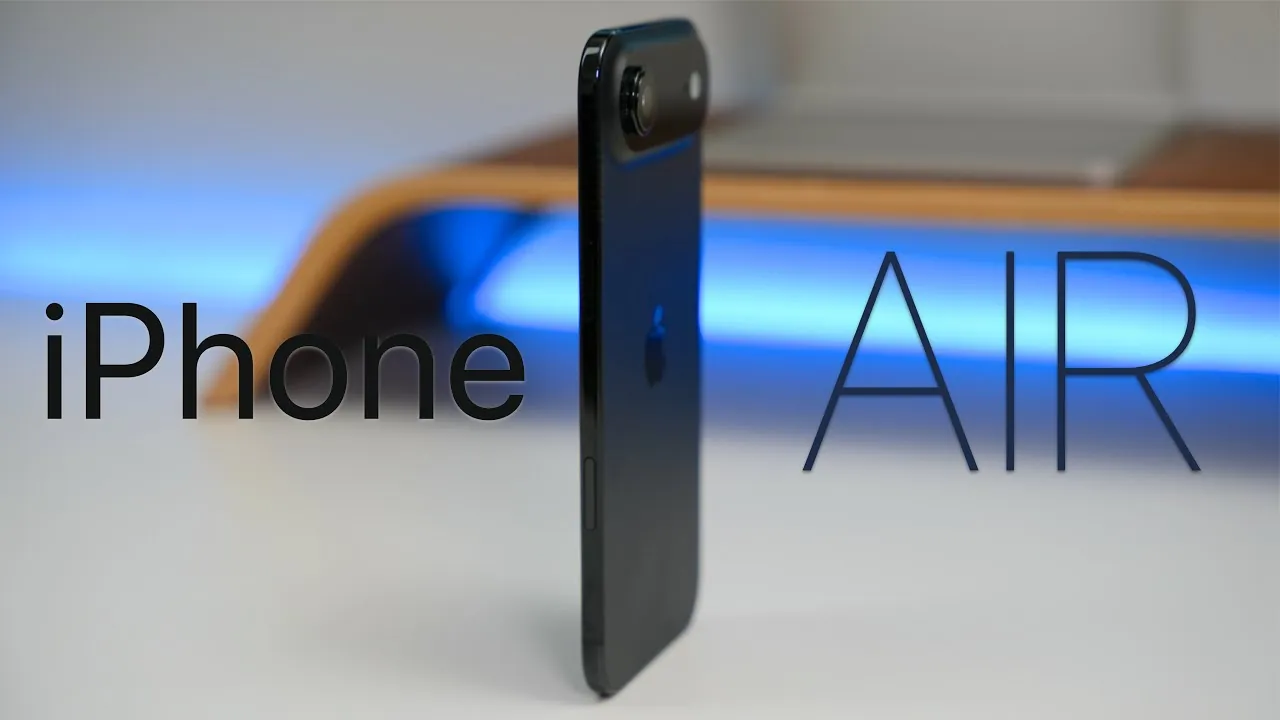
The iPhone Air, Apple’s latest lightweight smartphone, has now been in the hands of users for 100 days. Designed to prioritize portability and aesthetic appeal, it delivers a sleek and refined experience. However, this focus on design comes with certain trade-offs that may not suit every user. While casual users may find its lightweight build and usability appealing, power users might encounter frustrations with its battery life, camera versatility, and audio output. In the video below from Zollotech explores the iPhone Air’s key features and limitations to help you determine whether it aligns with your needs.

Design and Build: Lightweight Elegance
The iPhone Air’s ultra-thin titanium frame is its defining feature. From the first moment you hold it, the lightweight design and premium texture leave a strong impression. The titanium build not only enhances durability but also adds a layer of sophistication that sets it apart from other smartphones. However, the black model is prone to fingerprint smudges, which may require frequent cleaning to maintain its polished look. Additionally, the prominent camera bump might not appeal to users who prefer a more seamless design. Despite these minor drawbacks, the iPhone Air’s design is a triumph for those who prioritize portability and elegance in their devices.
Display and Durability: Bright and Resilient
The iPhone Air’s 3000 nits display ensures excellent visibility, even under direct sunlight. This makes it ideal for outdoor use, whether you’re browsing, streaming, or reading. The vibrant colors and sharp resolution enhance the overall viewing experience, offering a screen that feels immersive despite its compact size. The scratch-resistant ceramic shield and sapphire lens provide added durability, making it well-suited for everyday wear and tear. However, the absence of ProMotion technology, which enables higher refresh rates, may disappoint users accustomed to smoother scrolling and animations. While the display is impressive for casual use, those seeking innovative screen technology might find it lacking.
Performance: Smooth but Not Flawless
Equipped with the A19 Pro CPU and 12GB of RAM, the iPhone Air delivers smooth performance for most everyday tasks. Activities like browsing, messaging, and streaming are handled effortlessly, making sure a seamless user experience. However, the slightly downclocked processor can result in occasional slowdowns during intensive multitasking or gaming sessions. Additionally, the absence of a vapor chamber means the device can become warm during prolonged use, particularly when running resource-heavy applications. On the positive side, the inclusion of PWM (Pulse Width Modulation) technology reduces eye strain, making it a thoughtful choice for users who spend extended periods on their devices. While the performance is reliable for casual users, power users may encounter limitations during demanding tasks.
Battery Life: A Weak Link
Battery performance is one of the iPhone Air’s most significant shortcomings. With approximately four hours of screen-on time, heavy users will find themselves frequently needing to recharge. While MagSafe charging offers convenience, it does little to compensate for the limited battery capacity. For casual users with moderate usage patterns, the battery life may be sufficient. However, those who rely on their smartphones for extended periods, such as during travel or work, are likely to find this limitation frustrating. The iPhone Air’s battery life is a clear trade-off for its lightweight design, making it less suitable for users who prioritize longevity over portability.
Camera: Sharp but Limited
The iPhone Air features a single 48MP rear camera that excels in capturing sharp, detailed images. For everyday photography, it performs admirably, delivering vibrant colors and crisp details that are more than adequate for casual users. However, the lack of ultrawide and telephoto lenses significantly limits its versatility. This makes the device less appealing for users who enjoy experimenting with different photography styles or require advanced camera capabilities. The front-facing camera, comparable to the iPhone 17 Pro, is well-suited for selfies and video calls but does not introduce any new features. While the camera setup is sufficient for basic needs, it may not satisfy photography enthusiasts or professionals.
Audio and Speakers: Decent but Underwhelming
The iPhone Air’s audio output is another area where compromises are evident. Featuring only a single top speaker, the sound quality is adequate for casual use but lacks the depth and richness of a stereo setup. This limitation becomes particularly noticeable when watching videos or playing games in landscape mode, as the absence of a bottom speaker diminishes the overall audio experience. While casual users may find the audio performance acceptable, audiophiles and gamers seeking immersive sound quality are likely to be disappointed.
Connectivity: Reliable with Minor Glitches
The iPhone Air offers reliable Wi-Fi and Bluetooth performance for most tasks, making sure smooth connectivity for browsing, streaming, and device pairing. However, its signal strength is slightly weaker compared to higher-end models like the iPhone 17 Pro. This could pose challenges in areas with poor network coverage. Additionally, some users have reported occasional glitches with CarPlay, likely due to bugs in iOS 26. While these issues are not widespread, they highlight the need for software updates to enhance overall connectivity. For most users, the connectivity performance will be sufficient, but those in areas with inconsistent network coverage may encounter occasional frustrations.
Who Should Consider the iPhone Air?
The iPhone Air is best suited for casual users who value portability, design, and simplicity over advanced features. If your primary needs include browsing, messaging, and casual photography, this device offers a compelling balance of form and function. Its lightweight build and sleek design make it an excellent choice for users who prioritize convenience and aesthetics. However, power users or those who require extended battery life, advanced camera capabilities, or superior gaming performance may find the iPhone Air lacking. Carefully consider your specific needs and usage patterns before deciding if this device is the right fit for you.
A Stylish Companion with Trade-Offs
After 100 days, the iPhone Air has established itself as a smartphone that excels in portability and design. Its lightweight titanium build, bright display, and reliable performance make it a strong choice for casual users. However, compromises in battery life, camera versatility, and audio output may deter those seeking a more feature-rich device. If portability and aesthetics are your top priorities, the iPhone Air is worth considering. However, it’s essential to weigh its limitations against your specific requirements to ensure it meets your expectations.
Here are more detailed guides and articles that you may find helpful on iPhone Air.
- iPhone Air vs Galaxy S25 Edge: Which Smartphone is Best?
- iPhone Air 2 Release Date, Features, and Design Upgrades
- iPhone Air vs Galaxy S25 Edge: Detailed Comparison
- iPhone Air Review: Pros, Cons, and 1-Month Verdict
- How to Customize and Optimize Your iPhone Air
Source & Image Credit: zollotech
Disclosure: Some of our articles include affiliate links. If you buy something through one of these links, Geeky Gadgets may earn an affiliate commission. Learn about our Disclosure Policy.
