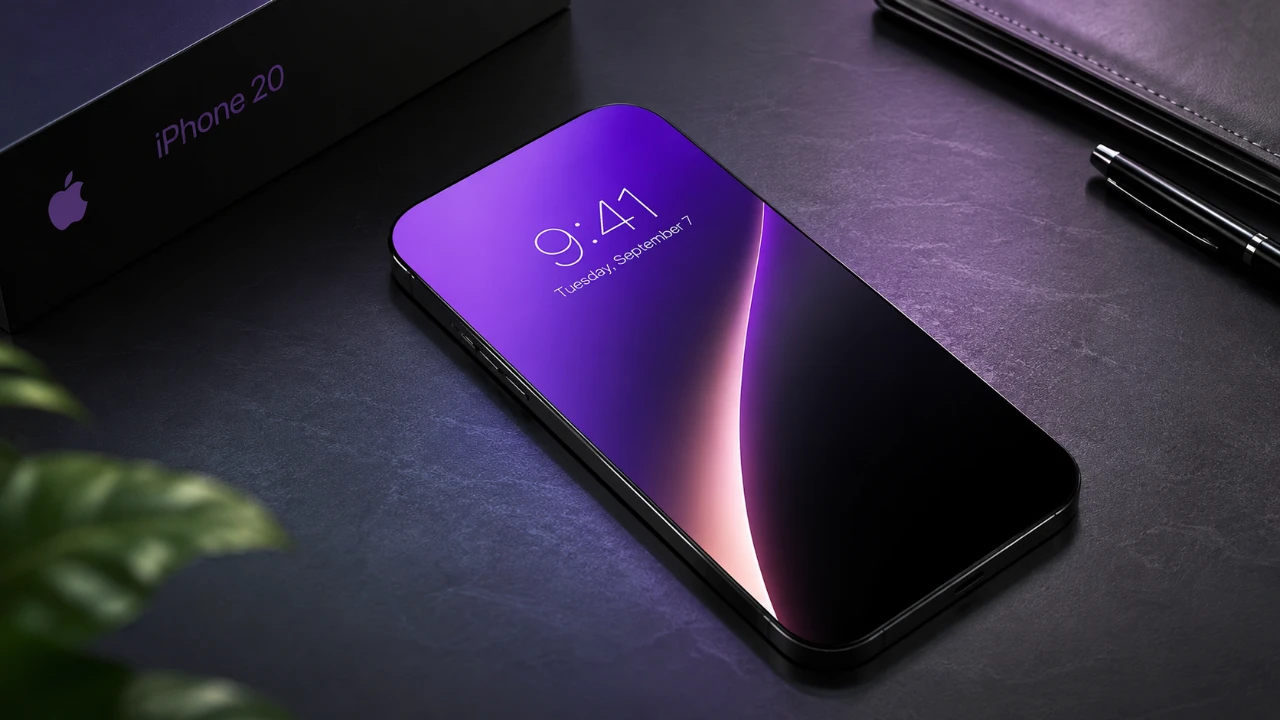
Apple’s highly anticipated iPhone 20 Pro and Pro Max are set to make a bold statement in the evolution of smartphone design. Featuring a bezel-less, quad-curved display and a smaller, more refined Dynamic Island, these models represent a significant departure from previous iterations. In a surprising move, Apple has decided to skip the “19” series entirely, a strategy reminiscent of its earlier decision to bypass the “9” series. This bold leap forward contrasts sharply with Samsung’s more conservative approach in its S27 series, which focuses on stability and incremental improvements. The video below from GregglesTV provides more insights into the defining features and strategic directions shaping the next generation of flagship smartphones.

iPhone 20 Pro and Pro Max: A Bold Leap in Design
Apple’s introduction of a bezel-less, quad-curved display with the iPhone 20 Pro and Pro Max marks a new moment for the company. This design innovation, which draws comparisons to Samsung’s Galaxy S7 Edge, combines futuristic aesthetics with enhanced functionality. The curved edges are designed to create a seamless and immersive visual experience, while the elimination of bezels maximizes screen real estate, offering users an expansive and uninterrupted display.
The dynamic island, first introduced in earlier iPhone models, is also undergoing a significant transformation. Apple is reportedly reducing its size while retaining its core functionality. This refined dynamic island will continue to serve as a hub for intuitive multitasking and notification management, making sure a smooth and efficient user experience. Display sizes are expected to be 6.41 inches for the iPhone 20 Pro and 6.96 inches for the Pro Max, catering to a wide range of user preferences, from those who favor compact devices to those who prefer larger screens for media consumption and productivity.
Samsung S27 Series: Prioritizing Stability
While Apple pushes the boundaries of design, Samsung’s S27 series adopts a more measured and pragmatic approach. The lineup is expected to maintain 12 GB of RAM across all models, with storage options ranging from 128 GB to 1 TB. For its flagship S27 Ultra, Samsung may introduce a variant with 16 GB of RAM, but no significant increases in memory are anticipated. This decision appears to be influenced by rising production costs, which have prompted Samsung to focus on delivering reliable devices without dramatic hardware changes.
Samsung’s Virtual RAM feature, known as RAM Plus, remains a key component of its strategy. This technology allows users to allocate storage as additional memory, making sure smooth performance even during demanding tasks. While this approach may not generate the same level of excitement as Apple’s design innovations, it reflects Samsung’s commitment to providing cost-effective and dependable devices that meet the needs of a broad user base.
Innovation vs Practicality: A Tale of Two Strategies
The contrasting strategies of Apple and Samsung underscore the diverse priorities shaping the modern smartphone market. Apple’s bezel-less, quad-curved display and refined dynamic island signal a bold shift in design philosophy, potentially setting a new benchmark for competitors. These innovations are aimed at delivering a innovative user experience that blends aesthetics with functionality.
In contrast, Samsung’s focus on stability and cost management highlights the practical considerations of producing flagship devices in an increasingly competitive industry. For most users, the existing RAM configurations in the S27 series are more than sufficient for everyday tasks, while the inclusion of Virtual RAM solutions like RAM Plus adds an extra layer of flexibility. This ensures that Samsung devices can handle resource-intensive applications without requiring significant hardware upgrades.
Both approaches reflect the evolving needs of smartphone users. Apple’s emphasis on innovation caters to those seeking the latest advancements in design and technology, while Samsung’s focus on reliability appeals to users who prioritize practicality and value.
The Future of Flagship Smartphones
The iPhone 20 Pro and Pro Max represent a significant evolution in Apple’s design philosophy, with features like a bezel-less, quad-curved display and a streamlined Dynamic Island redefining the user experience. These innovations position Apple as a leader in pushing the boundaries of smartphone design. Meanwhile, Samsung’s S27 series demonstrates the value of stability and incremental improvements, offering reliable performance and practical features that cater to a wide audience.
As the smartphone market continues to evolve, these differing strategies highlight the diverse paths manufacturers can take to meet the demands of their users. Whether you prioritize bold innovation or practical reliability, the next generation of flagship devices offers something for everyone, making sure that the future of smartphones remains as dynamic and varied as ever.
Advance your skills in iPhone 20 by reading more of our detailed content.
- iPhone 20 Leaks: 8 Major Upgrades Planned for Apple’s 20Th Anniversary
- Planning to Buy an iPhone 18? Huge iPhone 20 Leaks Might Change Your Mind
- iPhone 20 Pro Max Leaks: Should You Skip the iPhone 18 Pro?
- Report: Apple May Have Just Killed Its Ambitious iPhone 20 Design
- Forget the iPhone 18: Early Leaks Reveal Apple’s Insane iPhone 20 Blueprint
- Should You Skip the iPhone 18 Pro? Why the iPhone 20 is Worth the Wait
Source: GregglesTV
Disclosure: Some of our articles include affiliate links. If you buy something through one of these links, Geeky Gadgets may earn an affiliate commission. Learn about our Disclosure Policy.
