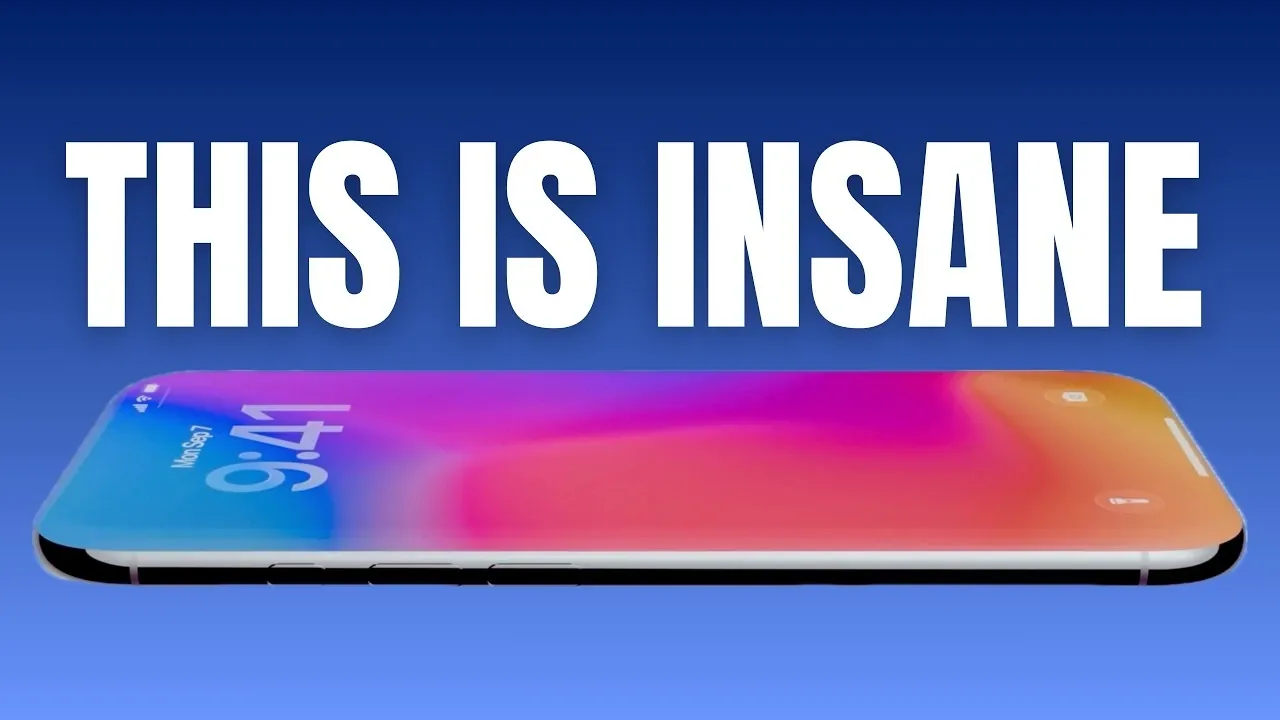
Apple’s rumored iPhone 20 is already capturing global attention as the company’s potential 20th-anniversary flagship device. With reports hinting at new design elements and advanced technology, the iPhone 20 could redefine consumer expectations for premium smartphones. However, its ambitious vision raises questions about practicality, durability, and pricing, leaving many to wonder if Apple can successfully balance innovation with usability. The video below from SaranByte gives us more details about the iPhone 20.

Innovative Design Features
The iPhone 20 is rumored to feature a bold new design that pushes the boundaries of smartphone aesthetics. Central to this vision is the introduction of a “liquid glass” display, which promises unparalleled clarity and a silky-smooth surface. This innovation is complemented by ultra-thin 1.1mm bezels, maximizing screen real estate while maintaining a sleek, modern profile. Additionally, the device is expected to adopt convex edges, reminiscent of the Apple Watch Series 7, creating a seamless transition between the display and the frame. These design choices highlight Apple’s commitment to crafting a visually stunning device that stands out in an increasingly competitive market.
While these features are undeniably striking, they also signal a potential shift in how users interact with their devices. The convex edges, for instance, could enhance the phone’s ergonomics, making it more comfortable to hold. However, they may also introduce challenges, such as increased susceptibility to accidental touches. Apple’s ability to address these concerns will be critical in making sure the design is as functional as it is innovative.
The All-Screen Ambition
Apple’s pursuit of an all-screen display is at the core of the iPhone 20’s design philosophy. Reports suggest the company is developing under-panel camera (UPC) technology to hide the front-facing camera beneath the screen, eliminating notches and cutouts for a truly immersive viewing experience. This approach could mark a significant step forward in smartphone design, offering users a seamless display without distractions.
However, the implementation of UPC technology is not without its challenges. Current iterations of this technology often compromise image quality, particularly in low-light conditions. To address this, Apple may explore alternative solutions, such as a smaller Dynamic Island or a punch-hole cutout, to balance aesthetics with functionality. The success of this feature will depend on Apple’s ability to deliver a display that not only looks impressive but also performs reliably in everyday use.
Balancing Innovation and Practicality
While the iPhone 20’s design is undeniably ambitious, it raises important questions about practicality. The convex edges, for example, may enhance the phone’s visual appeal but could also lead to usability issues, such as accidental touches or difficulty finding compatible accessories like screen protectors and cases. Additionally, the seamless glass design, while elegant, may be more prone to damage from drops or impacts, potentially increasing repair costs for users.
Durability is another critical consideration. Apple has a history of introducing innovative materials, such as Ceramic Shield, to enhance the resilience of its devices. Whether the iPhone 20 will incorporate similar advancements to address the challenges posed by its unique design remains to be seen. Ultimately, Apple’s ability to balance innovative design with everyday practicality will play a significant role in determining the device’s success.
What’s in a Name?
The naming of Apple’s 20th-anniversary device has sparked widespread speculation. Some suggest it could be called the “iPhone XX”, using Roman numerals to commemorate the milestone. However, this approach could create confusion, particularly given Apple’s existing naming conventions. Aligning the name with the iPhone’s generational count, such as “iPhone 20″—may provide greater clarity while emphasizing the significance of the anniversary.
Regardless of the final name, the device represents an opportunity for Apple to honor its legacy while setting a new benchmark for the future of smartphones. The name will not only reflect the company’s history but also signal its ambitions for the next era of innovation.
Pricing and Market Dynamics
The iPhone 20 is expected to come with a premium price tag, potentially exceeding the cost of current Pro Max models. This reflects the advanced technology and ambitious design, but it also raises questions about consumer reception. Will users be willing to pay a higher price for a device that prioritizes experimental features over proven reliability?
Apple’s pricing strategy will need to account for a diverse range of consumer expectations. While early adopters may be drawn to the device’s innovative features, others may hesitate to invest in a product that could face initial challenges, such as durability concerns or limited accessory compatibility. Striking the right balance between innovation and affordability will be crucial for Apple to maintain its competitive edge in an increasingly crowded market.
Lessons from the Past and Future Implications
Apple’s approach to the iPhone 20 draws clear parallels to the iPhone X, which marked the product line’s 10th anniversary with a fantastic design and new features. The iPhone X set a new standard for flagship smartphones, introducing innovations such as Face ID and the edge-to-edge OLED display. With the iPhone 20, Apple appears to be aiming for a similar impact, blending bold design choices with innovative technology to create a device that celebrates its legacy while shaping the future of smartphones.
However, the stakes are higher than ever. The smartphone market has evolved significantly since the launch of the iPhone X, with competitors like Samsung and Google introducing their own innovations in foldable displays, AI-driven features and camera technology. For the iPhone 20 to stand out, Apple will need to deliver not only a visually stunning device but also one that offers tangible benefits to users in terms of performance, functionality and reliability.
The Road Ahead
The iPhone 20 represents a bold leap forward for Apple, blending futuristic design elements with advanced technology to mark its 20th anniversary. While the device promises to set new standards for aesthetics and innovation, its success will depend on Apple’s ability to address concerns about practicality, durability and pricing. If the company can strike the right balance, the iPhone 20 has the potential to become a defining moment in its history, much like the iPhone X before it. As the smartphone industry continues to evolve, the iPhone 20 could serve as a testament to Apple’s enduring commitment to pushing the boundaries of what a smartphone can be.
Unlock more potential in iPhones by reading the previous articles we have written.
- iPhone 18 Pro & iPhone Fold: 2026 Release Dates, Specs and $2,000 Price Leaks
- iPhone Ultra Leak: Why Apple’s 4.5mm Foldable Design Changes Everything
- Beyond the Ultra: How the iPhone 20 Pro Max Reinvents the Smartphone for 2027
- The Best iPhone to Buy in March 2026: From 17e to 17 Pro Max
- iPhone Fold Leak: Apple Finally Perfects the ‘Zero-Crease’ Display
Source & Image Credit: SaranByte
Disclosure: Some of our articles include affiliate links. If you buy something through one of these links, Geeky Gadgets may earn an affiliate commission. Learn about our Disclosure Policy.
