A screen protector is one of those accessories you don’t really think about until its corners start chipping or it takes a hit. For years, tempered glass has been the go-to choice for protecting smartphone displays, but not all glass protectors are strengthened in the same way.
As smartphone displays become more advanced, the materials used to protect them are evolving too. One approach gaining attention is Fusion Glass, which uses chemical strengthening rather than conventional thermal tempering.
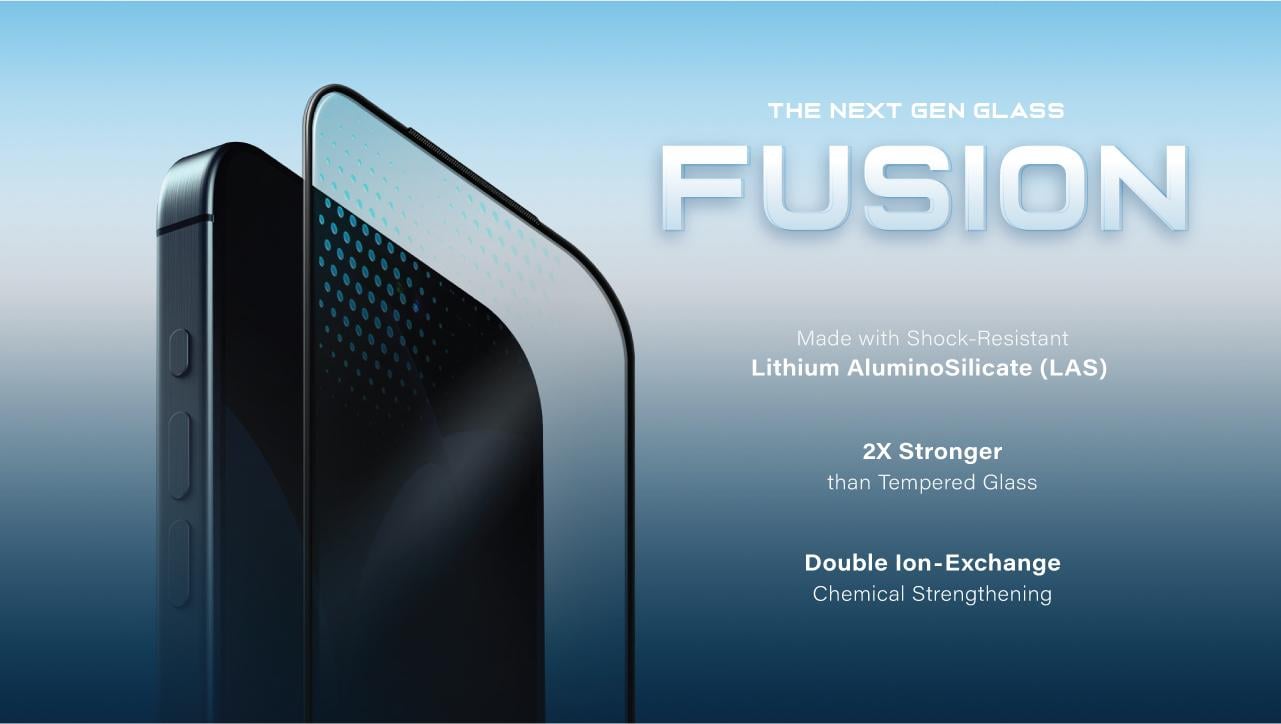
For its latest protection range, OPTIX has introduced DX2™ Fusion Glass, a dual ion-exchange technology designed to strengthen glass at both the surface and core.
So, what actually makes it different from conventional tempered glass?
What is Tempered Glass?
Tempered glass has long been the standard material for smartphone screen protectors. It is heat-treated to improve its strength and help protect against everyday scratches and bumps.
However, “tempered glass” covers a broad range of products in the market, and not all glass protectors perform the same way. The type of glass and how it is strengthened can make a significant difference.
That’s where Fusion Glass takes a different approach.
What is Fusion Glass?
OPTIX Fusion Glass is made from Lithium Aluminosilicate (LAS) glass and uses DX2™ Dual Ion-Exchange technology to strengthen the material.
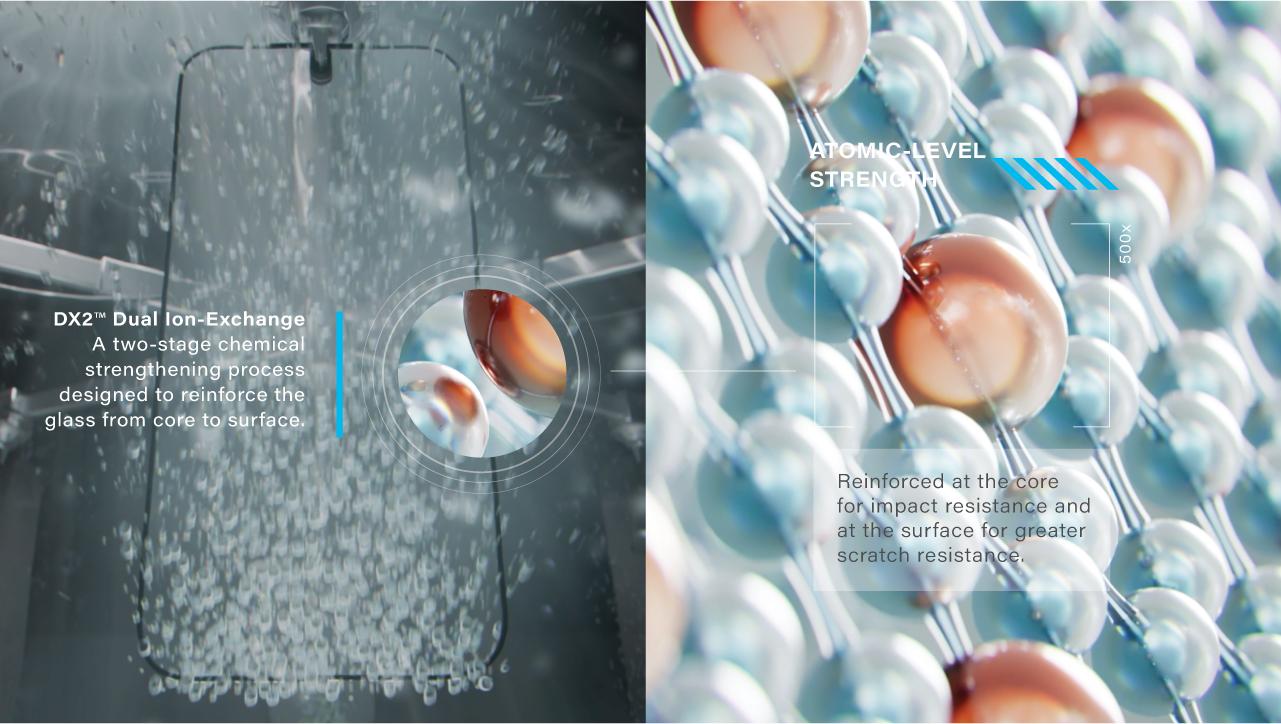
Unlike thermal tempering in tempered glass, ion exchange is a chemical strengthening process. During the process, the glass is submerged in a hot potassium-salt bath, where smaller sodium ions in the glass are exchanged for larger potassium ions, creating compressive stress within the material.
DX2™ takes this process a step further with two ion-exchange stages.
The first stage strengthens the core of the glass, helping it absorb and disperse impact. The second focuses on the surface, increasing resistance to scratches and concentrated pressure.
In simple terms, DX2™ is designed to strengthen the glass from the core through to the surface, not just the outer layer of the glass.
In OPTIX laboratory testing, DX2™ Fusion Glass achieves up to 2× greater strength than conventional tempered glass.
Tempered Glass vs Fusion Glass: How Do They Compare?
To understand how a screen protector performs, real-world testing provides a more useful comparison than written specifications.
OPTIX tested DX2™ Fusion Glass against conventional 9H tempered glass across several durability tests, including impact and pressure testing.
Steel Ball Drop Test
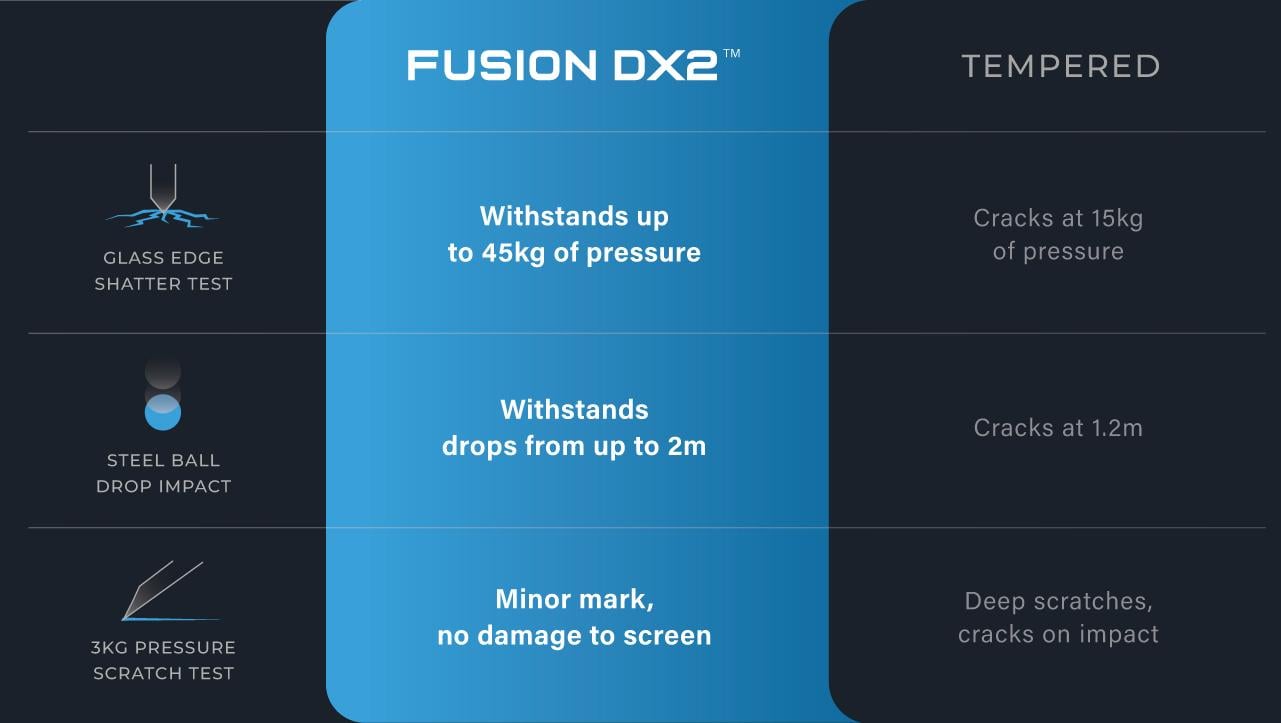
In a steel ball drop test, DX2™ Fusion Glass withstood an impact from 2 meters, while the conventional 9H tempered glass tested at 1.2 meters.
That’s a 66% higher test height for Fusion Glass, demonstrating its increased impact resistance in this test.
The result also highlights the role of strengthening the glass core.
Pointed Pressure Test
Impact isn’t the only way a screen protector can be damaged. Concentrated pressure on a small area can also cause glass to crack.
Under a 3kg pointed pressure test, DX2™ Fusion Glass showed only minor surface marks with no structural damage. The conventional 9H tempered glass cracked under the same test conditions.
This demonstrates the importance of surface strengthening when it comes to concentrated pressure.
Super Edge Pressure Test
Edge pressure can be particularly challenging for thin glass, as concentrated force can cause cracks to spread from the edge of the protector.
In the super edge pressure test, DX2™ Fusion Glass withstood up to 45kg of pressure, compared with 15kg for conventional tempered glass.
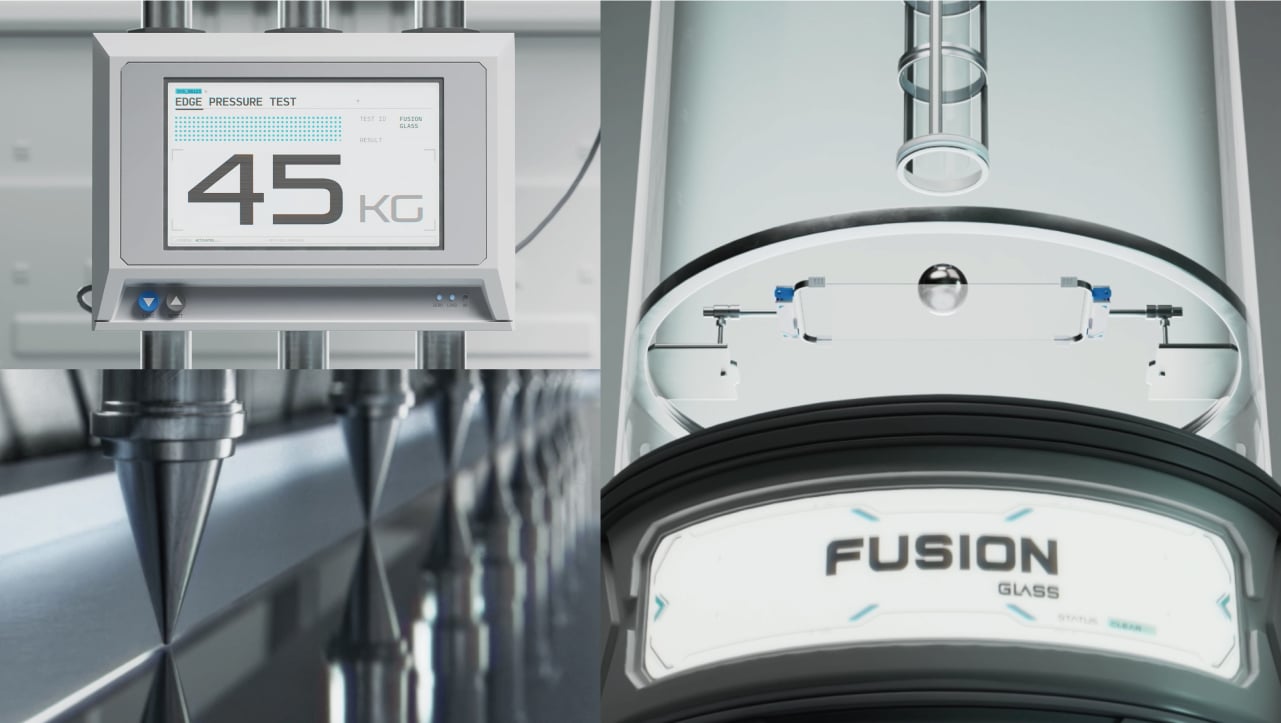

Across these tests, the takeaway is straightforward: the way glass is strengthened can have a significant effect on how it handles different types of stress.
Why Does the Strengthening Method Matter?
A phone screen can experience several types of stress during everyday use.
It might be dropped onto a hard surface, pressed against something in a bag or pocket, or scratched by another object. A screen protector therefore needs to deal with more than one type of potential damage.
This is the thinking behind DX2™’s two-stage approach.
The first ion-exchange process strengthens the glass core for impact resistance, while the second strengthens the surface for greater resistance to scratches and concentrated pressure.
Rather than relying on a single measure of hardness, DX2™ is designed to address different points of weakness within the glass.
That doesn’t mean conventional tempered glass has no value. It remains a widely used and accessible form of screen protection. The difference is that chemically strengthened Fusion glass offers another approach for those looking for greater durability.
Does a Tougher Protector Mean a Thicker One?
Not necessarily — Fusion Glass’ chemical strengthening buys toughness without bulk. The glass sits at just 0.33mm: thin enough that a case’s raised bezel clears it, and thin enough for the in-display Face ID and touch hardware to read straight through. You get more strength and a thinner sheet, not one at the cost of the other.
Choosing the Right Fusion Glass Protector
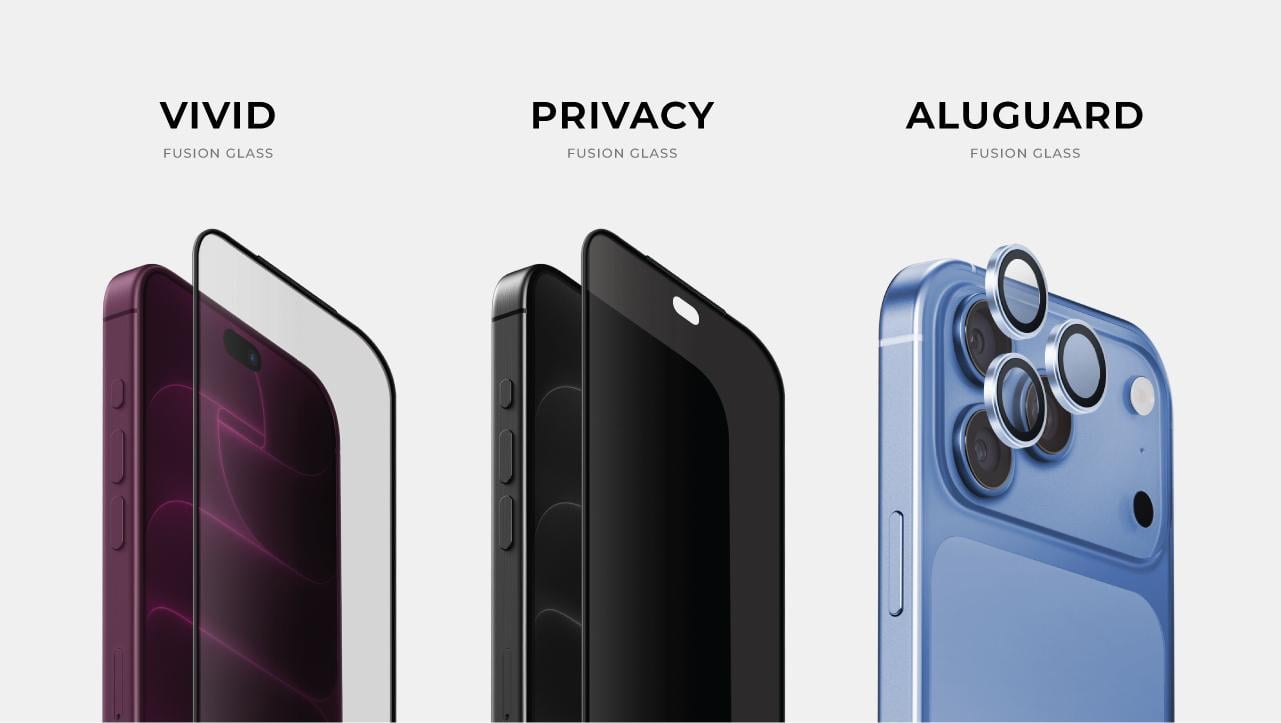 Durability is only one part of choosing a screen protector. The way you use your phone matters too.
The OPTIX Fusion Glass range is available in several finishes, allowing users to choose based on their viewing preferences.
Vivid is designed for users who want a clear, vibrant true-to-color viewing experience.
Privacy combines a 28° privacy filter with crystal-clear viewing, keeping your screen clear from the front while limiting unwanted side glances.
Anti-Reflective is designed to reduce reflections and improve visibility in brighter environments, including when using polarized sunglasses.
OptiView reduces blue-light exposure from the display while maintaining a clear viewing experience without the typical yellow tint that anti-blue-light screen protectors offer in the market.
OPTIX screen protectors also feature chip-resistant edges and anti-static, dust-repellent technology designed to help with installation and extend the life of the protector.
What About iPhone 18 Camera Lens Protection?
The display isn’t the only exposed glass on a modern smartphone.
The camera system sits on the outside of the device and can come into contact with tables, desks, and other surfaces. Scratches or damage to the camera area can also affect an important part of the phone’s everyday functionality.
OPTIX AluGuard is designed with DX2™ Fusion Glass to provide additional protection for the camera lenses, complementing the screen protector while achieving crystal-clear photos.
What to Look For in an iPhone 18 Screen Protector
When choosing an iPhone 18 screen protector, look beyond the “tempered glass” label. The type of glass, strengthening method, and real-world durability testing can make a difference.
OPTIX DX2™ Fusion Glass uses Lithium Aluminosilicate (LAS) glass and dual ion-exchange technology to strengthen both the surface and core. In OPTIX testing, it withstood a 2m steel ball drop versus 1.2m for conventional 9H tempered glass, while also handling up to 45kg of edge pressure versus 15kg.
The range also offers different finishes, including Vivid, Privacy AG and Anti-Reflective, while AluGuard extends DX2™ Fusion Glass protection to the camera lenses.
Pair your iPhone 18 with reliable screen and lens protection alongside a UNIQ case for more complete everyday protection from day one.
Discover the technology behind UNIQ‘s OPTIX DX2™ Fusion Glass.
Explore the full range of OPTIX Screen and Lens Protectors, or shop OPTIX protection for the iPhone 18 series.
Explore iPhone 18 Protection
Shop iPhone 18 Screen Protectors
Shop iPhone 18 Lens Protectors
Disclosure: Some of our articles include affiliate links. If you buy something through one of these links, Geeky Gadgets may earn an affiliate commission. Learn about our Disclosure Policy.
