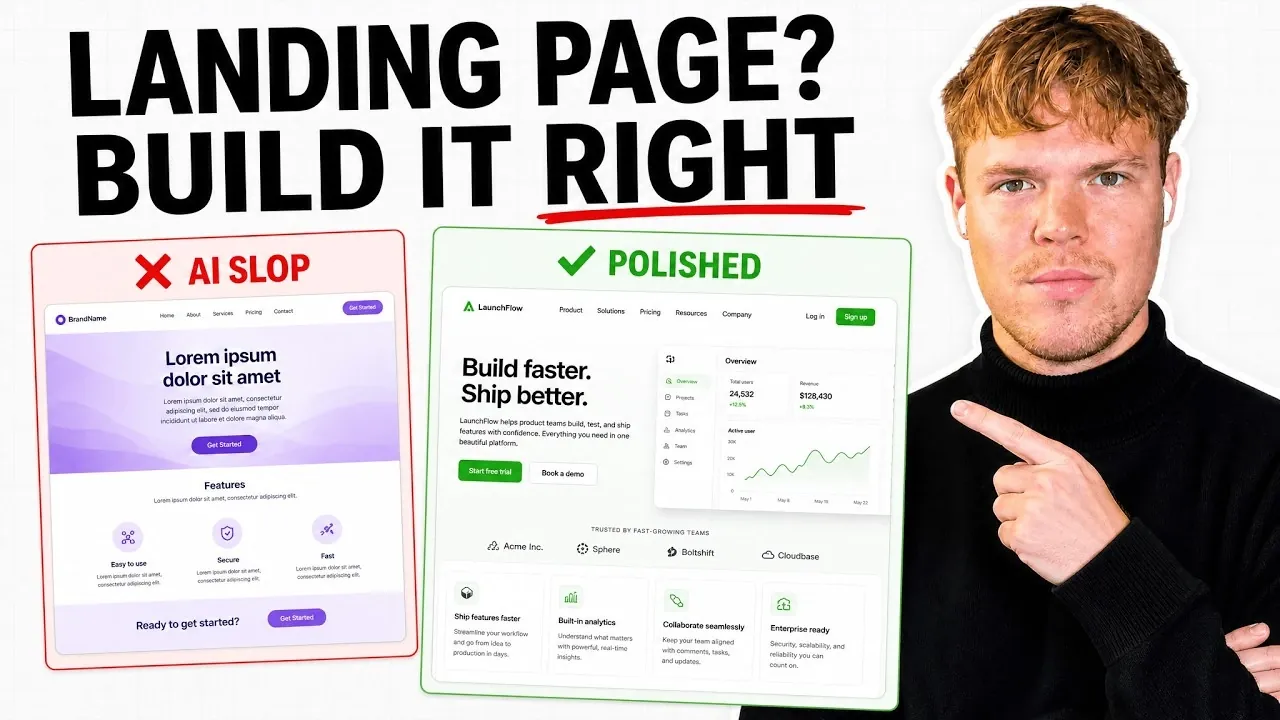
Building a landing page that effectively combines design, functionality and user engagement requires attention to both structure and technical details. Corbin outlines key strategies, such as organizing sections like the header, main content and footer, while making sure mobile responsiveness through features like touch-friendly navigation and collapsible menus. By incorporating frameworks like Next.js, developers can also optimize performance and scalability, creating a solid foundation for efficient workflows.
Discover how to enhance visibility with SEO techniques, including the integration of metadata and schema markup to improve search rankings. Learn to design for engagement by focusing on visual identity, intuitive user experiences and tailoring elements to your audience’s needs. This guide equips you with practical steps to build or refine a landing page that prioritizes both functionality and user satisfaction.
The Importance of a Well-Defined Structure
TL;DR Key Takeaways :
- Focus on a clear and organized structure with a compelling header, actionable main content and an informative footer to guide users effectively.
- Ensure mobile responsiveness by optimizing layouts, navigation and usability for smaller screens and conduct regular mobile usability tests.
- Boost visibility with SEO strategies like optimized metadata, structured data and social sharing enhancements to attract organic traffic.
- Use modern development tools such as Next.js, Tailwind CSS, TypeScript and AI platforms to streamline workflows and improve performance.
- Prioritize engaging design and usability by focusing on the top fold, maintaining a consistent visual identity and tailoring the design to your audience’s needs.
The structure of your landing page is the backbone of its effectiveness. A well-organized layout ensures that every element works cohesively to guide visitors toward your desired action.
- Header: The header is the first element users encounter. Use a concise headline that clearly communicates your value proposition. Pair this with engaging visuals to immediately capture attention and reduce bounce rates.
- Main Content: This section should provide detailed, actionable information about your product or service. Use direct language and strategically placed call-to-action (CTA) buttons to encourage conversions. Break up text with visuals or bullet points to improve readability.
- Footer: Often underestimated, the footer plays a crucial role in providing essential information. Include links to contact details, privacy policies and social media profiles to ensure users can easily find what they need.
Making sure Mobile Responsiveness
With mobile devices accounting for a significant portion of internet traffic, optimizing your landing page for mobile users is non-negotiable. A responsive design ensures a seamless experience across all devices.
- Adjust layouts, font sizes and interactive elements to fit smaller screens without compromising usability or aesthetics.
- Incorporate mobile-specific features, such as collapsible menus, touch-friendly buttons and simplified navigation, to enhance user experience.
- Conduct regular mobile usability tests to identify and resolve any issues that could hinder the user experience on smaller devices.

Below are more guides on vibe coding from our extensive range of articles.
- Apple Blocks Updates to Vibe Coding Apps Under App Store Rules
- ChatGPT 5.5 vs Claude Opus 4.7 : the Hidden Trade-Offs
- Vibe Coding : Build a Multiplayer FPS Game Faster Than You Thought Possible
- Why Google AI Studio’s “Vibe Coding” is Changing App Development
- Vibe Coding Fundamentals : Simplify Programming with Natural Language
- See Sketches Become Apps as Gemini 3 Pro and Vibe Workflows Cut Dev Time in AI Studio
- Base 44 : Build an AI Video App in 10 Minutes (No Coding)
- New Free Google AI Studio Vibe Coding Tool Lets You Say Goodbye to Expensive Platforms
- How Obsidian’s “Memory Vaults” Are Changing the Way We Code with AI
- Learn How Gumroad Achieved a 40x Productivity Boost with AI Coding Tools
Boosting Visibility with SEO
Search engine optimization (SEO) is critical for driving organic traffic to your landing page. By implementing proven SEO strategies, you can improve your page’s visibility and attract a broader audience.
- Metadata: Write compelling titles and meta descriptions that include relevant keywords to improve search rankings and click-through rates.
- Structured Data: Use schema markup to help search engines understand your content better, increasing the likelihood of appearing in rich search results.
- Social Sharing Optimization: Add Open Graph (OG) tags to ensure your page displays correctly when shared on social media platforms, encouraging more engagement.
Using Modern Development Tools
The right tools can simplify the development process and enhance the quality of your landing page. Consider integrating these technologies to streamline your workflow and improve performance.
- Next.js: This React-based framework enables server-side rendering and static site generation, resulting in faster load times and improved performance.
- Tailwind CSS: A utility-first CSS framework that allows for rapid, customizable design without the need for extensive custom styles.
- TypeScript: A superset of JavaScript that enhances code reliability and maintainability, reducing the risk of errors during development.
- AI Tools: Platforms like Cursor AI and Gemini Pro can automate repetitive tasks, suggest design improvements and accelerate development workflows.
Designing for Engagement and Usability
A visually appealing and user-friendly design is essential for keeping visitors engaged. Focus on creating an intuitive user experience (UX) that aligns with your audience’s needs and expectations.
- Top Fold: The top fold is where users form their first impression. Clearly communicate your core message and value proposition in this area to immediately capture interest.
- Visual Identity: Use visuals and design elements that reflect your brand identity and resonate with your target audience. Consistency in color schemes, typography and imagery builds trust.
- Originality: While it’s helpful to draw inspiration from successful platforms, ensure your design is tailored to your specific goals and audience.
Scalability and Hosting Solutions
Selecting the right hosting platform is crucial for making sure your landing page performs well under varying traffic conditions. A reliable hosting solution minimizes downtime and enhances the user experience.
- Vercel: Ideal for hosting Next.js applications, Vercel offers seamless deployment, built-in performance optimization and scalability for growing traffic demands.
- Google Cloud: A robust option for high-traffic websites, Google Cloud provides scalable infrastructure and advanced tools for developers to manage resources effectively.
Final Thoughts
Building an effective landing page requires a strategic approach that prioritizes user needs and technical excellence. By focusing on a clear structure, mobile responsiveness, SEO, modern tools and engaging design, you can create a landing page that not only attracts visitors but also converts them into loyal customers. A well-executed landing page serves as a powerful tool to drive business growth and achieve your objectives.
Media Credit: corbin
Disclosure: Some of our articles include affiliate links. If you buy something through one of these links, Geeky Gadgets may earn an affiliate commission. Learn about our Disclosure Policy.
