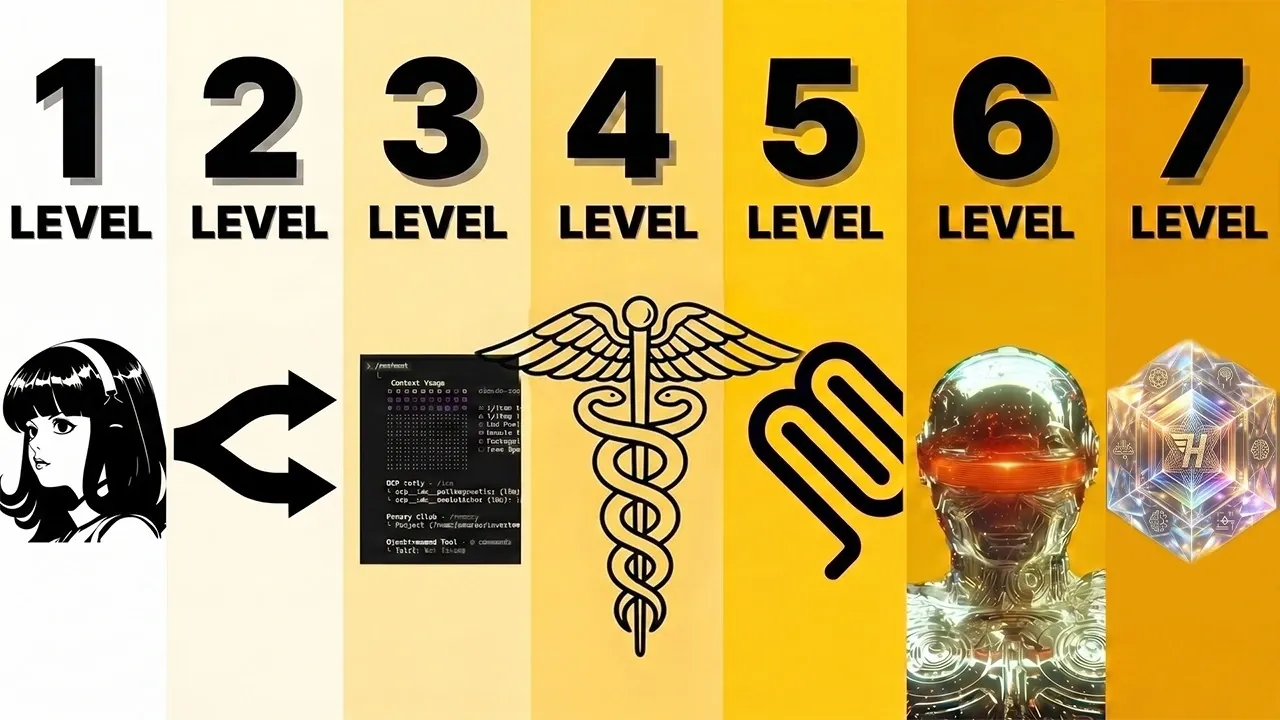
The Hermes Agent is a structured framework designed to streamline automation and task management through a seven-level approach. As explained by David Ondrej, each level introduces new functionalities that build on the previous one. For example, Level 1 focuses on installing Hermes Agent on a Virtual Private Server (VPS), a foundational step that ensures a stable and secure environment for its operations. This initial setup is essential for allowing advanced features like multi-agent communication and workflow visualization.
Discover how to connect Hermes Agent with platforms such as Slack or Discord for real-time interaction, automate recurring tasks using cron jobs and enhance its capabilities with Hermes Curator. Gain insight into advanced functionalities, including holographic memory systems for long-term data retention and the Multi-Agent Communication Protocol (MCP) for efficient collaboration between AI systems. This deep dive outlines practical steps and strategies for using Hermes Agent across a range of use cases.
Hermes AI Agent
TL;DR Key Takeaways :
- Hermes Agent is an AI-powered automation tool designed to streamline workflows, manage tasks and integrate with various technologies, offering a structured seven-level configuration process.
- Initial setup on a Virtual Private Server (VPS) ensures secure, uninterrupted performance, forming a reliable foundation for advanced functionalities.
- Key features include integration with messaging platforms (e.g., Discord, Slack), Kanban boards for task visualization and cron jobs for automating repetitive tasks.
- Advanced capabilities like holographic memory systems and skill optimization with Hermes Curator enhance efficiency, adaptability and long-term data management.
- Multi-agent communication transforms Hermes Agent into a central hub for coordinating multiple AI systems, allowing collaboration and advanced automation workflows.
Level 1: Setting the Foundation
The journey begins with installing Hermes Agent on a Virtual Private Server (VPS). A VPS provides a secure and stable environment, allowing the agent to operate independently and without interruptions. This setup ensures consistent performance, even during high-demand periods. Once installed, the initial configuration prepares the agent to handle tasks autonomously, laying a solid foundation for advanced functionalities. This step is critical for making sure the agent’s reliability and readiness for future enhancements.
Level 2: Connecting to Messaging Platforms
The next step involves integrating Hermes Agent with popular messaging platforms such as Discord, Slack, or Telegram. This connection facilitates real-time interaction, allowing you to issue commands or receive updates directly through these platforms. For example, creating a custom Discord server and bot can make task management more interactive and accessible. This integration streamlines communication, allowing you to monitor and control the agent’s activities conveniently from your preferred messaging platform.

Enhance your knowledge on Hermes Agent by exploring a selection of articles and guides on the subject.
- Why Hermes Agent Is Becoming the Go-to Open source Alternative to OpenClaw
- How This Open source AI Agent Actually Learns from Its Own Mistakes : Hermes Agent
- How to Set Up Hermes Agent : The AI That Actually Learns from You
- Inside Hermes : the OpenSource AI That Automatically Generates Its Own Skills
- How Hermes AI Agent Learns from Its Own Mistakes : Rewrites Its Own Skills After Every 15 Tasks
- Build an Autonomous AI Agent System in Under 30 Minutes
- Why Your Next AI Agent Team Needs Both OpenClaw and Hermes
- What OpenAI’s Leaked Hermes Agent Studio Means for Your Workflow
Level 3: Optimizing Skills with Hermes Curator
At this stage, you gain control over the agent’s skill set using Hermes Curator. This feature automatically identifies and removes unused or outdated skills after a defined period, making sure the agent remains efficient and relevant. By automating skill management, you conserve resources and maintain a streamlined skill set without manual intervention. This optimization allows you to focus on using the agent’s capabilities for more complex and impactful tasks.
Level 4: Automating Tasks with Cron Jobs
Automation is a core strength of Hermes Agent and Level 4 introduces the use of cron jobs to schedule repetitive tasks. For instance, you can automate daily backups of the agent’s data to a private GitHub repository. These scheduled routines save time and ensure critical tasks are completed consistently. By reducing the risk of oversight, cron jobs enhance the agent’s reliability and allow you to focus on higher-priority objectives.
Level 5: Visualizing Workflows with a Kanban Board
To improve task organization, Hermes Agent integrates with a Kanban board system. This feature enables you to manage tasks across multiple AI agents, assigning and tracking them in parallel. The Kanban board provides a clear, visual overview of workflows, making it easier to monitor progress and maintain clarity in complex projects. By visualizing workflows, you can identify bottlenecks, allocate resources effectively and ensure that tasks are completed efficiently.
Level 6: Enhancing Memory with Holographic Systems
One of Hermes Agent’s most powerful features is its holographic memory system, which offers advanced long-term memory capabilities. This system allows the agent to store and retrieve vast amounts of structured data. Practical applications include tracking project details, identifying contradictions in workflows and uncovering connections between tasks. With this advanced memory system, the agent becomes a reliable knowledge repository, enhancing decision-making and improving task execution. This capability is particularly valuable for managing complex projects that require detailed record-keeping and analysis.
Level 7: Allowing Multi-Agent Communication
The final level transforms Hermes Agent into a Multi-Agent Communication Protocol (MCP) server. This capability facilitates seamless interaction with other AI agents, such as Cloud Code or Codex. Practical applications include implementing remote approval gates, allowing walk-away mode for task monitoring and integrating external tools for enhanced functionality. By exposing Hermes Agent as an MCP server, you unlock its potential for collaboration and advanced automation, making it a central hub for coordinating multiple AI systems.
Key Insights
- Each level of configuration is designed to be user-friendly, making sure accessibility for users with varying technical expertise.
- Integrations with messaging platforms and Kanban boards enhance communication and task management efficiency.
- Features like holographic memory and multi-agent communication expand the agent’s versatility and adaptability for complex workflows.
- Automation through cron jobs and skill optimization with Hermes Curator ensures the agent remains efficient and resource-conscious.
Unlocking the Full Potential of Hermes Agent
By progressing through these seven levels, you can transform Hermes Agent into a highly efficient and versatile tool for automation, task management and integration with other AI systems. Whether your goal is to streamline workflows, enhance memory capabilities, or enable multi-agent communication, Hermes Agent provides a robust and adaptable solution tailored to meet your needs. With its structured approach and powerful features, Hermes Agent enables you to achieve greater efficiency and innovation in managing tasks and workflows.
Media Credit: David Ondrej
Disclosure: Some of our articles include affiliate links. If you buy something through one of these links, Geeky Gadgets may earn an affiliate commission. Learn about our Disclosure Policy.
