
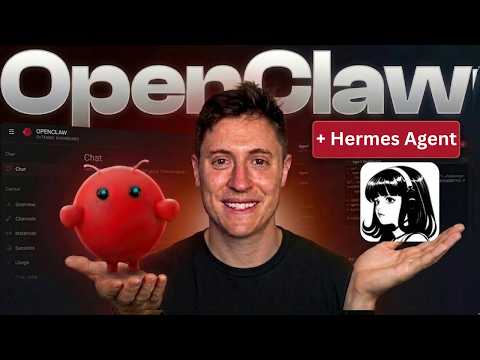
OpenClaw and Hermes are two frameworks that, when integrated, can create a robust multi-agent system for managing complex workflows. OpenClaw, using models like Opus 46, specializes in resource-intensive tasks such as strategic planning and high-level decision-making. Hermes, by contrast, focuses on real-time monitoring, task execution and error correction with minimal resource demands. According to Alex Finn, this combination addresses key challenges like reducing errors and optimizing resources in environments where both reliability and efficiency are essential.
Explore how to configure a multi-agent system with OpenClaw and Hermes, including practical setups like shared memory workspaces for collaboration and supervisor-builder workflows for task delegation. Learn how to implement proactive monitoring systems to maintain operational continuity and discover strategies for balancing cost efficiency with performance. This guide also covers best practices for making sure data visibility and using collaborative frameworks to streamline processes.
Why Multi-Agent Systems Matter
TL;DR Key Takeaways :
- Integrating OpenClaw and Hermes into a multi-agent system enhances operational efficiency, reliability and cost-effectiveness by using their complementary capabilities.
- OpenClaw excels in handling complex, resource-intensive tasks with advanced models like Opus 46, while Hermes specializes in monitoring, task execution and error correction with lightweight efficiency.
- The system improves reliability, reduces downtime and optimizes resource allocation through real-time monitoring, proactive error correction and specialized task execution.
- Practical applications include backup systems, supervisor-builder workflows, monitoring systems and shared memory workspaces, showcasing the system’s versatility across industries.
- Cost efficiency is achieved by balancing OpenClaw’s high-level computational tasks with Hermes’ lightweight operations, supported by collaboration tools like Obsidian for seamless communication and coordination.
Multi-agent systems are designed to enable collaboration between independent AI agents, each contributing to shared objectives. This collaborative approach provides several critical benefits that can significantly enhance operational performance:
- Increased Reliability: By supporting one another, agents reduce the likelihood of system-wide failures, making sure consistent functionality.
- Reduced Downtime: Continuous monitoring and proactive error correction help maintain uninterrupted operations, even in dynamic environments.
- Enhanced Efficiency: Agents with specialized roles can optimize task execution and resource utilization, leading to faster and more precise outcomes.
When implemented effectively, systems like OpenClaw and Hermes can address real-time challenges, adapt to evolving demands and create a more resilient operational framework.
Meet OpenClaw and Hermes
OpenClaw and Hermes are purpose-built to complement each other, forming a cohesive and efficient multi-agent system. Each agent brings unique strengths to the table, making sure a balanced and versatile approach to task management:
- OpenClaw: This advanced AI agent is designed to handle complex, resource-intensive tasks. Powered by sophisticated models like Opus 46, OpenClaw excels in strategic planning, decision-making and executing intricate operations that require high computational power and precision.
- Hermes: A lightweight and cost-efficient agent, Hermes specializes in monitoring, task execution and error correction. Its agility allows it to perform routine checks and provide real-time support to OpenClaw without overloading system resources.
Together, OpenClaw and Hermes create a dynamic partnership capable of addressing a wide range of operational needs, from high-level planning to detailed execution and monitoring.
Take a look at other insightful guides from our broad collection that might capture your interest in OpenClaw.
- OpenClaw Banned: Anthropic Ends Claude Third-Party Use
- Anthropic Claude Dispatch vs OpenClaw : Security & Costs
- OpenClaw & OpenAI : Key Security Issues, Token Usage, and Next Steps
- NemoClaw : NVIDIA Goes All in on OpenClaw for Enterprises
- Will OpenClaw Stay Open Source After OpenAI Integrates the Platform?
- Build a Safer OpenClaw Alternative Using Claude Code
- Anthropic Bans OpenClaw : Blocks Agent SDK Apps OAuth Tokens
- OpenClaw Setup Tutorial : Security-First Beginner Guide
- Hermes Agent vs OpenClaw : Open Source AI Agent Comparison
- OpenClaw Tutorial: Build a No-Code AI Assistant in 2026
Real-World Applications of OpenClaw and Hermes
The synergy between OpenClaw and Hermes is best illustrated through practical applications. Their collaboration enables efficient solutions across various scenarios, including:
- Backup Systems: Hermes ensures operational continuity by monitoring and resolving issues in OpenClaw’s processes during updates or unexpected errors, minimizing disruptions and enhancing overall reliability.
- Supervisor-Builder Workflow: OpenClaw acts as the supervisor, planning and overseeing tasks, while Hermes executes them. OpenClaw then reviews the results to ensure quality and accuracy, creating a seamless workflow.
- Monitoring Systems: Hermes continuously monitors OpenClaw’s operations, identifying and addressing potential issues before they escalate, making sure smooth and uninterrupted performance.
- Shared Memory Workspaces: By using a centralized memory system, both agents can share information and insights, allowing better learning, coordination and overall system performance.
These use cases demonstrate the versatility and effectiveness of a multi-agent system powered by OpenClaw and Hermes, making them suitable for a variety of industries and operational challenges.
Balancing Costs and Performance
One of the most significant advantages of integrating OpenClaw and Hermes is the ability to achieve cost efficiency without compromising performance. OpenClaw handles complex, resource-intensive tasks using advanced models like Opus 46, while Hermes manages simpler, routine operations with lightweight models. This division of labor ensures that resources are allocated effectively, reducing unnecessary expenses.
To further enhance cost efficiency, consider incorporating collaboration tools such as Obsidian. These tools assist shared memory systems, allowing seamless communication and coordination between agents. By using such platforms, you can maximize the potential of your multi-agent system while keeping operational costs under control.
Best Practices for Implementation
To fully realize the benefits of a multi-agent system powered by OpenClaw and Hermes, it is essential to follow best practices that ensure smooth integration and optimal performance:
- Maintain Data Visibility: Ensure that both agents have clear and consistent access to shared data and processes. This transparency is critical for effective collaboration and decision-making.
- Use Collaboration Tools: Platforms like Obsidian can create a centralized workspace, improving communication, coordination and data sharing between agents.
- Monitor Regularly: Conduct routine checks to verify that both agents are functioning as intended. Regular monitoring helps identify and address emerging issues before they impact operations.
By adhering to these strategies, you can build a robust, scalable multi-agent system tailored to your specific operational needs, making sure long-term success and adaptability.
The Strategic Advantage of OpenClaw and Hermes
Combining OpenClaw and Hermes into a unified multi-agent system offers a powerful solution for organizations seeking to enhance productivity, minimize downtime and optimize workflows. OpenClaw’s advanced capabilities in handling complex tasks, paired with Hermes’ lightweight efficiency in monitoring and execution, create a balanced and effective partnership. With thoughtful implementation, the right tools and adherence to best practices, this system can deliver significant long-term benefits in performance, scalability and cost management.
Media Credit: Alex Finn
Disclosure: Some of our articles include affiliate links. If you buy something through one of these links, Geeky Gadgets may earn an affiliate commission. Learn about our Disclosure Policy.
