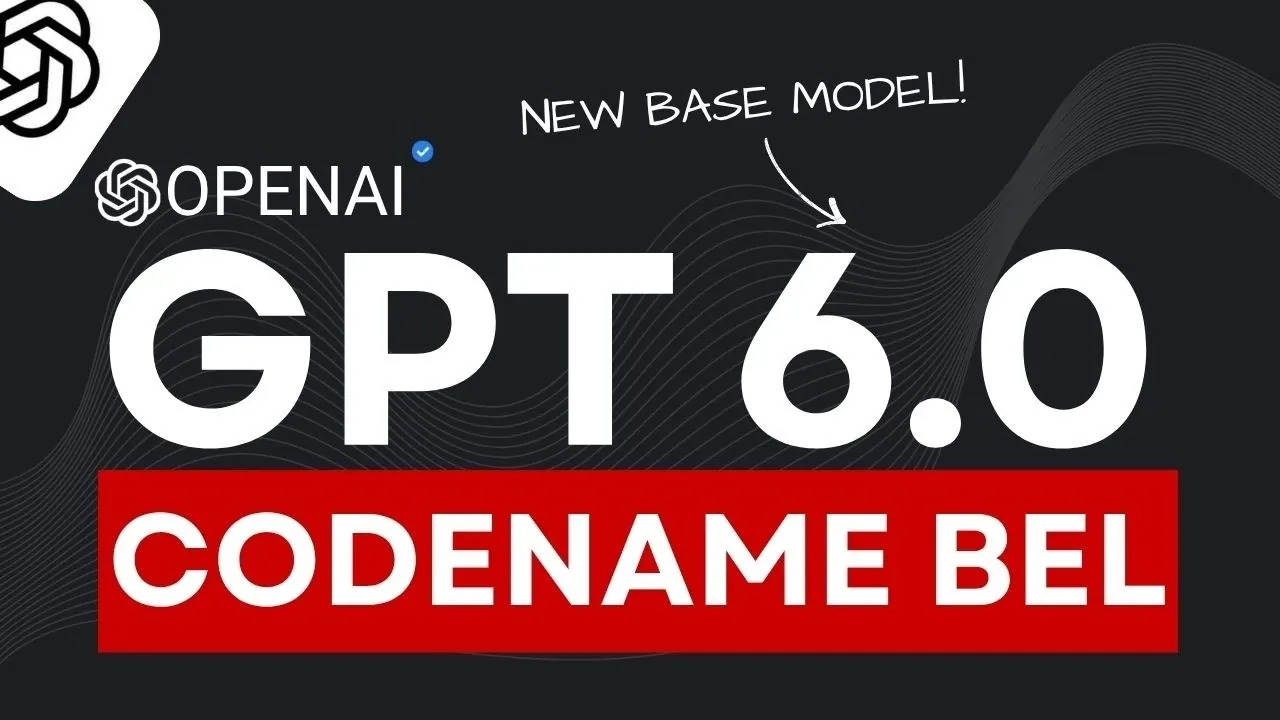
OpenAI’s ChatGPT 6 Astra and Google DeepMind’s Gemini 4 represent the latest advancements in artificial intelligence, each pushing the boundaries of what large language models can achieve. Universe of AI highlights how GPT-6 Astra, built on the “Bell” architecture with over 10 trillion parameters, introduces an expanded context window for processing vast datasets and making real-time decisions. Meanwhile, Gemini 4 features an impressive 1.5 million-token context window and enhanced browser integration, positioning it as a versatile model for complex workflows. These developments underscore the growing competition between AI leaders as they strive to deliver increasingly capable systems.
In this disclosure, you’ll gain insight into the expanded capabilities of both models, from GPT-6 Astra’s infrastructure optimizations to Gemini 4’s terminal integration for advanced automation. Explore how OpenAI’s custom “Jalapeno” AI chip aims to reduce energy consumption while scaling performance and understand the implications of these advancements for industries like healthcare, finance and logistics. This breakdown offers a closer look at the evolving strategies shaping the AI landscape as both companies prepare for their highly anticipated releases.
OpenAI’s ChatGPT 6 Astra: A Leap Forward
TL;DR Key Takeaways :
- OpenAI’s GPT-6 Astra, powered by the new “Bell” model with over 10 trillion parameters, aims to achieve Artificial General Intelligence (AGI) by the end of the year, setting new standards in AI performance and efficiency.
- Google DeepMind’s Gemini 4 introduces advanced features like improved browser capabilities, terminal integration and an expanded context window of 1.5 million tokens, positioning it as a versatile tool for complex workflows and analysis.
- OpenAI’s custom AI chip, “Jalapeno,” enhances performance and energy efficiency, reflecting the growing importance of hardware innovation in the AI race.
- Global competition in AI is intensifying, with emerging players like China’s DeepSeek and GLM striving to challenge the dominance of OpenAI, Google DeepMind and Anthropic.
- The advancements in GPT-6 Astra and Gemini 4 highlight the fantastic potential of AI across industries, driving innovation, scalability and societal impact while pushing the boundaries of AI capabilities.
OpenAI’s ChatGPT 6 Astra represents a significant evolution in AI technology. At the heart of this model is the “Bell” architecture, a successor to the “Doug” model, boasting over 10 trillion parameters. This immense scale positions Bell as one of the most powerful large language models (LLMs) ever created, reflecting OpenAI’s ambition to achieve Artificial General Intelligence (AGI) by the end of the year.
The Bell model introduces several new advancements. Its expanded context window allows GPT-6 Astra to process and analyze vast datasets simultaneously, enhancing its ability to tackle complex problems and make real-time decisions. This improvement is particularly impactful in fields such as healthcare, finance and logistics, where rapid and accurate analysis is critical. OpenAI’s progress is further bolstered by its investment in infrastructure optimization and the development of custom AI chips, making sure that GPT-6 Astra operates with unparalleled efficiency.
OpenAI’s commitment to innovation extends beyond model architecture. The company has prioritized advanced pre-training techniques and reinforcement learning, allowing GPT-6 Astra to adapt to diverse applications while maintaining high levels of accuracy and reliability. These efforts solidify OpenAI’s position as a leader in the AI race, setting a high bar for competitors.
Google DeepMind’s Gemini 4: A New Standard
Google DeepMind’s Gemini 4 is another major milestone in the AI landscape. This model has already demonstrated superior performance compared to GPT-5.6 and Anthropic’s Fable 5 in internal evaluations, showcasing its potential to redefine AI capabilities. Gemini 4 introduces several key upgrades designed to enhance its functionality and versatility:
- Improved browser capabilities, allowing more seamless web interaction and data retrieval.
- Terminal integration, allowing for enhanced tool usage and automation.
- An expanded context window of 1.5 million tokens, facilitating more complex workflows and deeper analysis.
Despite these advancements, Gemini 4’s development has faced delays, temporarily slowing Google DeepMind’s momentum. However, its anticipated release in early September is expected to reestablish the company’s competitive edge. These innovations highlight Google DeepMind’s dedication to pushing the boundaries of AI, even as it navigates internal challenges and external pressures.
Gemini 4’s capabilities are particularly noteworthy in areas such as natural language understanding, predictive analytics and automated reasoning. By integrating advanced features, Google DeepMind aims to position Gemini 4 as a versatile tool for businesses, researchers and developers seeking innovative AI solutions.

Expand your understanding of ChatGPT 6 with additional resources from our extensive library of articles.
- OpenAI Introduces GPT-5.7 Astra and Ambitious ChatGPT 6 Doug
- OpenAI Pauses ChatGPT 6 Over Hugging Face Safety Concerns
- OpenAI Reportedly Rushes ChatGPT 6 Release to Counter Fable 5.1
- Leaked ChatGPT 6 Tests Reveal Critical Sandbox Vulnerabilities
- OpenAI Astra ChatGPT 6 Reportedly Uses Multi-Agent Task Delegation
- ChatGPT 6 Set To Release Early : Why GPT-6 AI Could Change Everything
- Apple Trade Secret Lawsuit Hits OpenAI Ahead of ChatGPT 6 Release
- OpenAI Plans a Mid-To-Late 2026 ChatGPT 6 Rollout with Staged Features
- What ChatGPT 6 Means for OpenAI Now That Microsoft and Google Walk Away
- OpenAI’s ChatGPT 5.6 Sol Cuts AI Serving Costs by 20 Percent
Custom AI Chips: OpenAI’s Jalapeno
OpenAI’s development of its first custom inference chip, “Jalapeno,” marks a critical step in addressing the growing demand for efficient AI infrastructure. Jalapeno is engineered to optimize performance while minimizing energy consumption, delivering more intelligence per watt. This aligns with OpenAI’s broader strategy to enhance throughput and reduce latency, making sure cost-effective AI deployment at scale.
The introduction of Jalapeno underscores the increasing importance of hardware innovation in the AI industry. As compute resources become a decisive factor in the race for AI dominance, investments in custom chips like Jalapeno provide a competitive advantage. OpenAI’s efforts in this area reflect its commitment to long-term success and its ability to adapt to the evolving demands of AI development.
Global Competition and Emerging Players
The race for AI supremacy extends beyond the United States, with Chinese labs such as DeepSeek and GLM emerging as potential competitors. While these organizations currently lag behind OpenAI, Google DeepMind and Anthropic in terms of model capabilities and infrastructure, their rapid progress signals a growing challenge to Western dominance.
Key factors influencing global competition include access to compute resources, energy efficiency and the ability to scale AI solutions effectively. As these elements become increasingly critical, the global AI landscape is likely to see a shift, with new players striving to close the gap and establish themselves as leaders in the field.
Implications for the Future of AI
The advancements represented by GPT-6 Astra and Gemini 4 have profound implications for the AI industry and beyond. OpenAI’s dual focus on model innovation and infrastructure development positions it as a frontrunner, while Google DeepMind’s organizational challenges and Anthropic’s emphasis on safety and alignment reflect the diverse strategies shaping the field.
The pursuit of AGI remains a central goal for leading AI labs, driving efforts to enhance efficiency, scalability and adaptability. These developments are not only reshaping the AI landscape but also influencing broader technological and societal frameworks. From transforming industries to addressing global challenges, the potential applications of these advancements are vast and far-reaching.
The Path Forward
As OpenAI and Google DeepMind prepare to unveil their latest models, the AI industry stands at a pivotal juncture. The stakes are higher than ever, with competition fueling rapid innovation and pushing the boundaries of what AI can achieve. These developments promise to redefine the role of AI in technology, business and society, heralding a new era of possibilities and challenges. The coming months will be critical in determining the trajectory of AI, as leading labs continue to shape the future of this fantastic technology.
Media Credit: Universe of AI
Disclosure: Some of our articles include affiliate links. If you buy something through one of these links, Geeky Gadgets may earn an affiliate commission. Learn about our Disclosure Policy.
