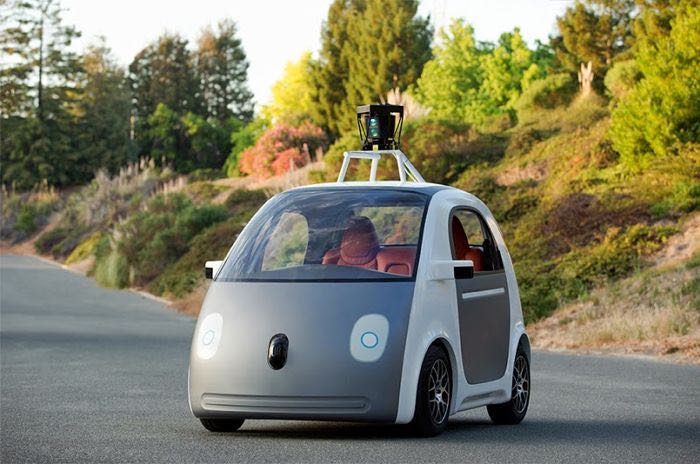
Google revealed their new prototype self-driving car last year, and the company has ambitious plans to have these cars on the market within the next five years.
The Google Self-Driving Car is being built in Livonia, Michigan, and Google has teamed up with a number of suppliers to build a fleet of these self-driving cars for extensive testing. This collaboration includes partnerships with automotive giants and technology firms to ensure the vehicles are equipped with the latest advancements in autonomous driving technology.
Expansion of the Self-Driving Fleet
Google is looking to expand their fleet of self-driving cars to around 150 units. Teams in both California and Detroit are working diligently on these new vehicles, focusing on refining the technology and ensuring the cars can handle a wide range of driving conditions. The expansion of the fleet is a critical step in gathering more data and improving the algorithms that control the vehicles.
The company has been testing these autonomous vehicles for the last six years. Initially, Google started by adding self-driving technology to existing cars, such as the Toyota Prius and Lexus RX450h. These modified vehicles served as a testbed for the technology, allowing Google to refine their systems in real-world conditions. However, last year marked a significant milestone with the unveiling of their first self-driving car that they had built from the ground up.
Milestones and Future Prospects
Back in April last year, the company announced that their self-driving vehicles had covered over 700,000 miles since the project launched. This impressive milestone demonstrated the reliability and potential of autonomous driving technology. The miles covered included a variety of driving scenarios, from busy urban streets to quiet suburban roads, providing valuable data to improve the system’s performance.
One of the key challenges for Google and other companies developing self-driving cars is ensuring the safety and reliability of the technology. Autonomous vehicles must be able to handle unexpected situations, such as sudden obstacles, erratic behavior from other drivers, and adverse weather conditions. Google’s extensive testing aims to address these challenges and build a system that can safely navigate the complexities of real-world driving.
In addition to safety, there are also regulatory hurdles to overcome. Governments around the world are still in the process of developing regulations for autonomous vehicles. These regulations will need to address issues such as liability in the event of an accident, data privacy, and the integration of self-driving cars with existing traffic systems. Google is actively working with regulators to help shape these policies and ensure that their vehicles can be legally operated on public roads.
It will be interesting to see how the project develops over the next few years. The potential benefits of self-driving cars are significant, including reduced traffic accidents, increased mobility for those unable to drive, and more efficient use of roadways. However, there are also concerns about job displacement for professional drivers and the ethical implications of autonomous decision-making.
As the technology continues to evolve, we are looking forward to seeing what these cars look like when they finally launch. The design of the vehicles is expected to be sleek and modern, incorporating advanced sensors and computing systems seamlessly into the car’s structure. The interior of the cars will likely be designed with passenger comfort and convenience in mind, potentially featuring new layouts that take advantage of the lack of a traditional driver’s seat.
In conclusion, Google’s self-driving car project represents a significant step forward in the development of autonomous vehicles. With continued testing, collaboration with industry partners, and engagement with regulators, Google is well-positioned to bring self-driving cars to market in the near future. The journey ahead is filled with challenges, but the potential rewards make it an exciting area of innovation.
Source: Techmeme
Disclosure: Some of our articles include affiliate links. If you buy something through one of these links, Geeky Gadgets may earn an affiliate commission. Learn about our Disclosure Policy.
