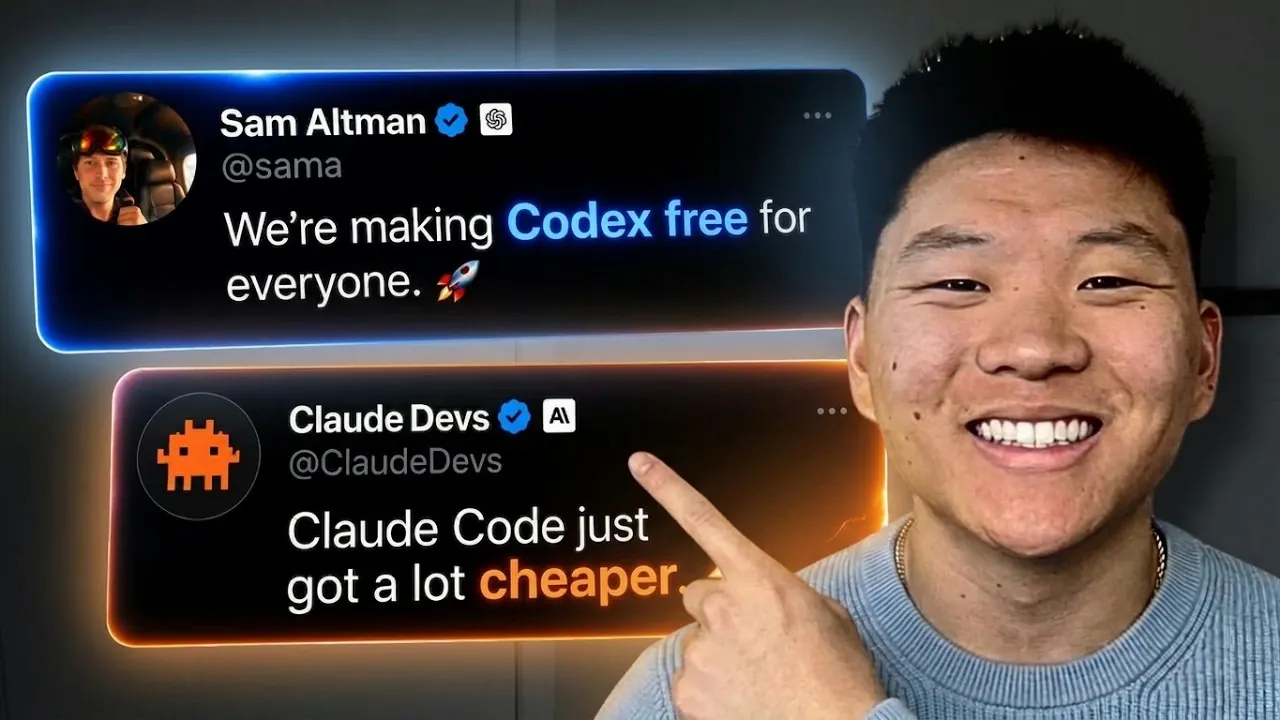
Anthropic has officially overtaken OpenAI in business adoption, marking a significant shift in the competitive landscape of AI. As of April 2026, Anthropic’s adoption rate reached 34.4%, narrowly surpassing OpenAI’s 32.3%. This milestone reflects the growing appeal of Anthropic’s user-focused offerings, such as Claude Code, which has gained traction among developers and enterprises for its practical applications and accessibility. Nate Herk | AI Automation explores how this rivalry is reshaping the industry and what it means for users navigating this rapidly evolving space.
Understand how this competition is driving advancements and creating new opportunities for users like you. Explore the strategies both companies are employing, from Anthropic’s increased usage limits on Claude Code to OpenAI’s free trial initiatives for Codex. Gain insight into the broader implications of this rivalry, including its impact on pricing, innovation and the balance between proprietary and open source AI solutions. This analysis offers a clear lens into the shifting dynamics of the AI sector and how you can adapt to stay ahead.
Why Business Adoption Matters
TL;DR Key Takeaways :
- Anthropic has surpassed OpenAI in business adoption as of April 2026, with a 34.4% adoption rate compared to OpenAI’s 32.3%, signaling a competitive and rapidly evolving AI industry.
- Anthropic’s rise is attributed to its user-centric approach and tools like Claude Code, which are gaining traction for their practical applications and ease of use.
- Both Anthropic and OpenAI are employing strategic initiatives, such as free trials and increased usage limits, to attract users and foster innovation in the AI space.
- The AI industry’s focus on widespread adoption and data collection over immediate profitability raises concerns about data privacy, long-term pricing and dependency on specific providers.
- Open source AI models are emerging as viable alternatives, offering greater transparency, flexibility and control, allowing users to reduce reliance on dominant players and customize solutions to their needs.
The growing adoption of Anthropic’s tools reflects a broader trend: the increasing reliance on AI across industries to enhance efficiency, improve decision-making and foster innovation. Businesses are using AI to streamline operations and gain a competitive edge and Anthropic’s rise is largely attributed to its user-centric approach. Tools like Claude Code have gained significant traction among developers and enterprises due to their practical applications and ease of use.
In contrast, OpenAI’s Codex, while still a strong competitor, has experienced a slight decline in adoption. For you, this competition translates into more options and better features as companies strive to meet your needs and expectations. The rivalry between these two AI giants ensures that the tools you use will continue to evolve, offering enhanced functionality and accessibility.
How Companies Are Competing
Anthropic and OpenAI are employing strategic initiatives to attract and retain users, creating a highly competitive environment. Here’s how they are vying for your attention:
- OpenAI: Introduced a one-month free trial for Codex, aimed at businesses hesitant to commit to long-term subscriptions. This strategy lowers the entry barrier and encourages experimentation.
- Anthropic: Increased weekly usage limits for Claude Code by 50% for two months, providing users with more opportunities to explore its capabilities without additional costs.
These tactics are designed to make their tools more accessible, encouraging you to integrate them into your workflows. For users, this competition fosters innovation, drives down costs and ensures access to innovative technologies.

Take a look at other insightful guides from our broad collection that might capture your interest in Anthropic.
- Anthropic Claude Mythos AI World’s Newest Obsession a 10-Trillion Parameter
- Claude Just Gained an “Infinite” Context Window : Here is What It Means for Your Workflows
- Why Anthropic is Delaying the Public Release of Claude Mythos
- Inside Claude Code’s New Ultra Plan : The Deep Plan Mode Explained
- Anthropic Launches Dispatch : Links Mobile & Desktop AI for Remote Control
- Meet AutoDream : Claude Code’s Clever New Trick for Memory Management
- Claude Opus 4.7 Leaks & Anthropic’s Full-Stack AI Studio
- Meet Claude Mythos : Anthropic’s Powerful Successor to Opus
- Inside the Anthropic Leak : New Claude Builder and an Opus 4.6 Downgrade
- What Anthropic’s Massive 500,000-Line Source Code Leak Reveals About Claude
The Bigger Picture: AI Industry Dynamics
The rivalry between Anthropic and OpenAI is emblematic of a larger trend in the AI industry: prioritizing widespread adoption and data collection over immediate profitability. Many AI tools are priced below their actual value to attract users and gather proprietary data. This data is critical for refining AI models, improving performance and maintaining a competitive edge.
For you, this phase offers an opportunity to access advanced AI technologies at relatively low costs. However, it also raises important considerations about data privacy, long-term pricing strategies and the potential risks of becoming overly dependent on specific providers. As companies collect more user data, questions about how this information is used and protected become increasingly relevant.
Challenges Facing AI Tools
Despite their growing popularity, AI tools are not without challenges. Users have reported issues such as declining performance, stability concerns and occasional inaccuracies in some models. These problems can impact the reliability of AI tools, particularly in high-stakes applications.
Additionally, there are concerns about misaligned incentives. Some companies may prioritize steering users toward more expensive or resource-intensive solutions, which could limit your ability to make cost-effective decisions. These challenges underscore the importance of critically evaluating the tools you use and staying informed about their limitations.
What This Means for the Future
The current phase of competition in the AI industry can be likened to a “free sample” period, where companies are working to build user habits and dependencies. Much like the early days of tech platforms or subscription models, this phase is characterized by aggressive incentives and low costs. However, history suggests that this period may eventually give way to higher prices and market consolidation.
As a user, it’s crucial to remain adaptable. Avoid becoming overly reliant on a single tool or provider, as this could limit your flexibility in the future. Diversifying your toolkit and exploring alternative solutions can help you maintain independence and adaptability as the industry evolves.
Exploring Alternatives
Open source AI models are emerging as viable alternatives to proprietary solutions. These models offer greater transparency, flexibility and control, allowing you to customize and adapt them to your specific needs. By incorporating open source tools into your workflow, you can reduce dependency on dominant players and better prepare for potential changes in the AI landscape.
Exploring open source options also provides an opportunity to contribute to the development of these tools, fostering a more collaborative and inclusive AI ecosystem. For you, this means greater autonomy and the ability to tailor AI solutions to your unique requirements.
Looking Ahead
The future of the AI industry remains uncertain, with competition between Anthropic, OpenAI and other players expected to intensify. This ongoing rivalry will likely drive further innovation, leading to the development of more advanced and accessible tools. For you, this is an opportunity to take advantage of current incentives, explore diverse options and adapt to the rapidly changing technological landscape.
By staying informed, proactive and flexible, you can navigate this dynamic environment and make the most of the opportunities it presents. The decisions you make today will shape how you use AI technologies in the years to come, making sure that you remain at the forefront of this fantastic field.
Media Credit: Nate Herk | AI Automation
Disclosure: Some of our articles include affiliate links. If you buy something through one of these links, Geeky Gadgets may earn an affiliate commission. Learn about our Disclosure Policy.
