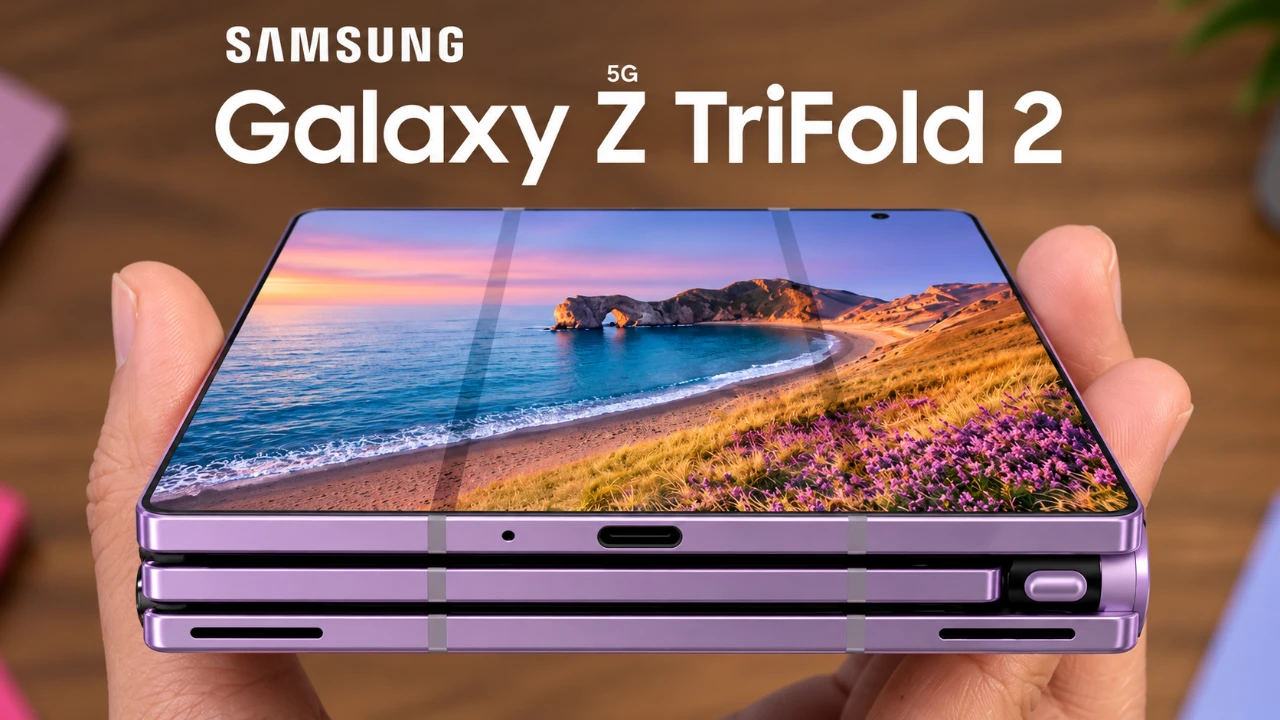
Samsung is accelerating the development of its Galaxy Z Tri-Fold 2, a move likely influenced by Apple’s rumored entry into the foldable smartphone market. With Apple reportedly preparing to launch its foldable iPhone duo, Samsung faces mounting pressure to refine its tri-fold concept and maintain its leadership in the foldable segment. However, the Galaxy Z Tri-Fold 2 is not without challenges. High production costs, durability concerns, and limited consumer appeal raise critical questions about whether this ambitious device can succeed in a competitive and evolving market. The video below from Talks Daily Tech gives us more details about the rumored TriFold 2.

Apple’s Influence: Raising the Stakes
Apple’s potential entry into the foldable market has disrupted the competitive landscape, setting new expectations for innovation and quality. Rumors suggest that Apple’s foldable devices will feature advanced durability, including IP68 water and dust resistance, which could redefine usability standards in this category. For Samsung, this means not only matching Apple’s benchmarks but also exceeding them to retain its dominance. The Galaxy Z Tri-Fold 2 is Samsung’s answer to this challenge, a device designed to showcase innovative advancements in hinge mechanisms, display technology and overall design. By doing so, Samsung aims to solidify its position as a leader in foldable innovation while responding to growing competition.
What Samsung Aims to Achieve
Samsung’s ambitions for the Galaxy Z Tri-Fold 2 are clear: create a device that is thinner, lighter and more durable than its predecessor. The hinge, a critical component in any foldable device, is expected to undergo significant upgrades to enhance reliability and reduce wear over time. Similarly, the foldable display is likely to see refinements aimed at minimizing creasing and improving long-term usability. These advancements are essential for addressing consumer concerns about durability and practicality. However, the engineering complexities of tri-fold designs remain a significant hurdle. Achieving these goals requires precise manufacturing techniques and advanced materials, which add to the device’s production challenges.
Challenges in the Tri-Fold Market
The original Galaxy Z Tri-Fold faced several obstacles, including limited consumer adoption and a short market lifespan. These challenges persist with the Galaxy Z Tri-Fold 2. High production costs and the intricate manufacturing processes required for tri-fold devices make them more expensive to produce than traditional foldables. Additionally, their niche appeal limits their audience, making it difficult to achieve widespread adoption. While early adopters and tech enthusiasts may be drawn to the novelty of a tri-fold device, mainstream consumers are likely to remain cautious, especially given the availability of more affordable alternatives.
Pricing: A Barrier to Entry?
Pricing is expected to be a critical factor in determining the Galaxy Z Tri-Fold 2’s success. Rumors suggest the device could be priced at $2,899, positioning it firmly in the premium segment. While this price point may attract early adopters and technology enthusiasts, it could deter mainstream consumers who are unwilling to invest such a significant amount in a single device. With more affordable foldable options and traditional flagship smartphones available, Samsung faces the challenge of justifying the Galaxy Z Tri-Fold 2’s high cost. The company will need to emphasize the device’s unique features and value proposition to overcome this barrier.
Looking Ahead: Samsung’s Vision for Innovation
Samsung’s commitment to innovation extends beyond the Galaxy Z Tri-Fold 2. Reports suggest that the company is also exploring additional form factors, including a slidable phone concept, as part of its efforts to expand its foldable lineup. This indicates a broader strategy to push the boundaries of mobile design and cater to diverse consumer preferences. However, the Galaxy Z Tri-Fold 2 is reportedly targeting a 2027 launch, reflecting the technical and logistical challenges of bringing such advanced devices to market. This timeline underscores the complexity of developing tri-fold technology and the need for meticulous planning to ensure a successful launch.
Competition Heats Up
Samsung is not alone in the tri-fold space. Competitors like Huawei have already made strides with devices such as the Mate XT, which features an innovative design and has garnered attention in the foldable market. For Samsung to stand out, the Galaxy Z Tri-Fold 2 must deliver significant improvements in durability, usability, and overall value. The stakes are high and consumer expectations are even higher. Samsung will need to use its expertise in foldable technology to differentiate its offering and capture the interest of both early adopters and mainstream users.
A High-Stakes Bet on the Future
The Galaxy Z Tri-Fold 2 represents Samsung’s ambitious attempt to redefine the foldable smartphone market. While the device promises advancements in design, technology and functionality, it also faces steep challenges, including high production costs, limited consumer demand, and intense competition. Whether Samsung can overcome these obstacles will depend on its ability to innovate and adapt in an increasingly competitive landscape. For now, the tri-fold concept remains a bold but uncertain step toward the future of mobile technology.
Here are more guides from our previous articles and guides related to Samsung Galaxy Z Tri-Fold 2 that you may find helpful.
- Samsung Galaxy Z TriFold 2 Delayed? Rollable Phone May Arrive First
- Samsung Galaxy Z TriFold 2 Leaks: the Thinner Sequel is Happening
- Galaxy Z TriFold 2 Leaks: The Foldable Breakthrough We Waited For
- Samsung Galaxy Z TriFold 2: the Redesign Power Users Have Been Waiting For
- Rumored Galaxy Z TriFold 2 is Reportedly Back in the Works
Source & Image Credit: Talks Daily Tech
Disclosure: Some of our articles include affiliate links. If you buy something through one of these links, Geeky Gadgets may earn an affiliate commission. Learn about our Disclosure Policy.
