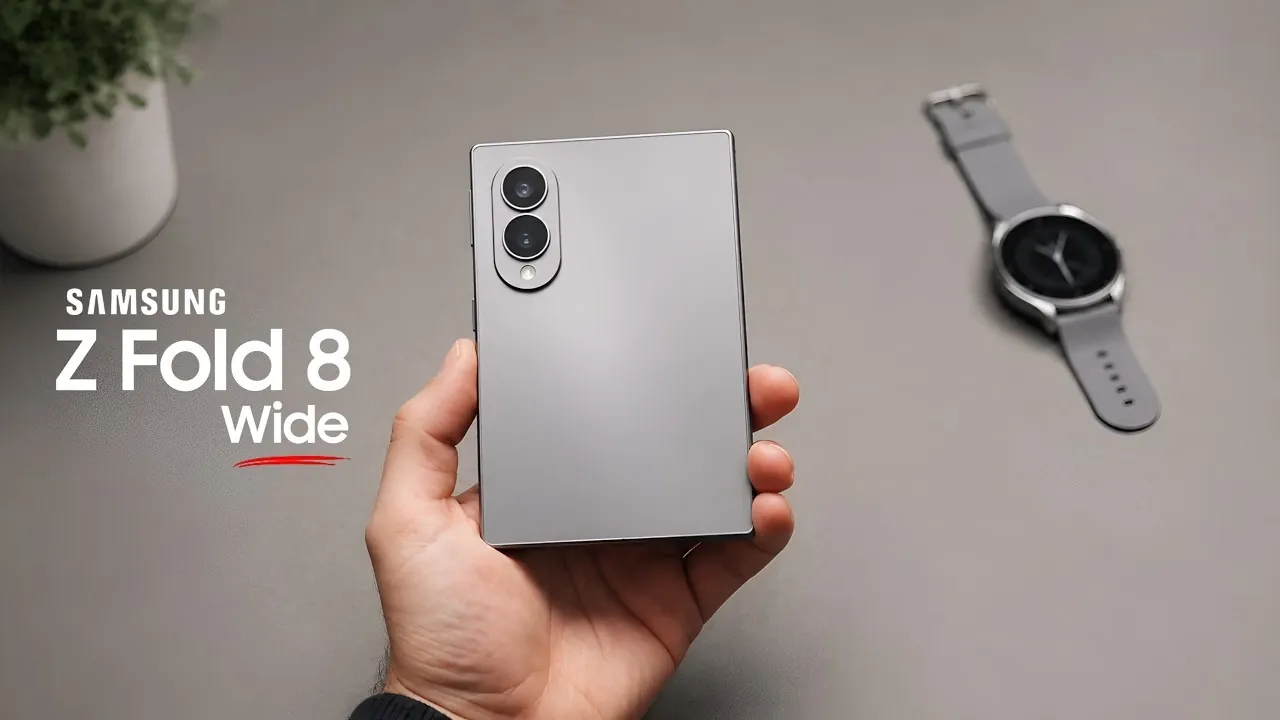
Samsung continues to redefine the foldable smartphone experience with the release of the Galaxy Z Fold 8 Wide. By addressing one of the most persistent criticisms of foldable devices, usability, Samsung has taken a significant step forward. The introduction of a wider and taller outer display reflects the company’s commitment to bridging the gap between innovation and practicality. This evolution signals a shift in focus from novelty to everyday functionality, underscoring Samsung’s dedication to refining its foldable lineup based on user feedback.

Design Overhaul: A Wider and Taller Outer Display
The Galaxy Z Fold 8 Wide represents a major leap in foldable phone design. Previous models often featured narrow, elongated outer displays that felt restrictive for everyday tasks. In contrast, the new model adopts a wider and taller screen, transforming the outer display into a fully functional interface. This change allows users to interact with the device as they would with a traditional smartphone, eliminating the compromises of earlier designs.
Key benefits of the updated design include:
- Enhanced usability for tasks such as typing, browsing and watching videos.
- A balanced approach to portability and functionality, avoiding the overly compact “mini tablet” feel.
- A focus on making the outer screen a primary feature rather than a secondary or supplementary one.
This design evolution reflects a broader trend in the foldable market: prioritizing practical usability over experimental aesthetics. By making sure that the device is both innovative and comfortable for everyday use, Samsung is setting a new standard for foldable smartphones.
How Samsung Stacks Up Against Huawei
Samsung’s design philosophy for the Galaxy Z Fold 8 Wide stands in stark contrast to Huawei’s approach with its Pura Max model. Huawei has opted for a shorter, wider design, which some users find more intuitive for one-handed use. On the other hand, Samsung’s balanced dimensions aim to deliver a versatile experience, accommodating both single-handed tasks and immersive activities like reading, multitasking, or gaming.
This competition highlights the evolving priorities in the foldable smartphone market:
- Huawei emphasizes compactness and one-handed usability.
- Samsung focuses on creating a foldable that feels closer to a flagship smartphone when folded, while still offering the benefits of a larger inner display.
By addressing usability concerns that plagued earlier foldable models, Samsung is positioning itself as a leader in the foldable space. As consumer expectations shift and the market matures, Samsung’s focus on versatility and practicality may give it a decisive edge over competitors like Huawei.
Market Trends and the Pricing Dilemma
The Galaxy Z Fold 8 Wide’s innovative design comes at a premium price. Rising semiconductor costs and the complexity of foldable displays have driven up production expenses, with premium variants, such as the 512 GB and 1 TB models, potentially exceeding $2,000. While this pricing may seem steep, it aligns with the broader trend of premiumization in the smartphone market, where innovative technology often commands a higher price point.
Despite these high costs, demand for Samsung’s foldable devices remains robust. The company has reported steady revenue growth in its smartphone division, suggesting that consumers are willing to pay a premium for advanced technology and unique features. However, Samsung must carefully navigate the pricing landscape to maintain its competitive edge, especially as new players like Apple prepare to enter the foldable market.
The pricing dilemma also reflects a broader challenge in the foldable segment: balancing innovation with affordability. As foldable technology becomes more mainstream, manufacturers will need to find ways to make these devices accessible to a wider audience without compromising on quality or functionality.
Foldables Evolve: From Novelty to Everyday Usability
The Galaxy Z Fold 8 Wide represents a pivotal moment in the evolution of foldable smartphones. Early foldable devices often prioritized unique designs and technological experimentation over real-world usability. Samsung’s latest model, however, demonstrates a clear focus on addressing everyday needs and enhancing the user experience.
This shift is particularly significant as competition in the foldable market intensifies. With Huawei offering alternative designs and Apple rumored to be developing its own foldable device, Samsung’s ability to innovate while addressing practical concerns will be crucial to maintaining its leadership position. The Galaxy Z Fold 8 Wide serves as a testament to Samsung’s commitment to pushing the boundaries of what foldable technology can achieve, while making sure that these advancements translate into meaningful benefits for users.
As foldables continue to evolve, the emphasis on usability over novelty will likely shape the future of the market. Samsung’s approach with the Galaxy Z Fold 8 Wide sets a new benchmark, demonstrating that foldable smartphones can be both innovative and practical, appealing to a broad range of consumers.
Explore further guides and articles from our vast library that you may find relevant to your interests in Samsung Galaxy Z Fold 8 Wide.
- Samsung Galaxy Z Fold 8 Wide: Samsung’s direct answer to the rumored foldable iPhone
- Samsung Galaxy Z Fold 8 Leaks: 5,000mAh Battery and 45W Charging Finally Confirmed?
- Samsung Galaxy Z Fold 8 Wide Leaks: The “Overdue” Upgrade is Finally Happening
- Bye-Bye Narrow Screen: The Samsung Galaxy Z Fold 8 Wide Leak Reveals a Bold New Shape
- Samsung’s Galaxy Z Fold 8 Wide Renders Show a Direct iPhone Fold Rival
Source & Image Credit: Demon’s Tech
Disclosure: Some of our articles include affiliate links. If you buy something through one of these links, Geeky Gadgets may earn an affiliate commission. Learn about our Disclosure Policy.
