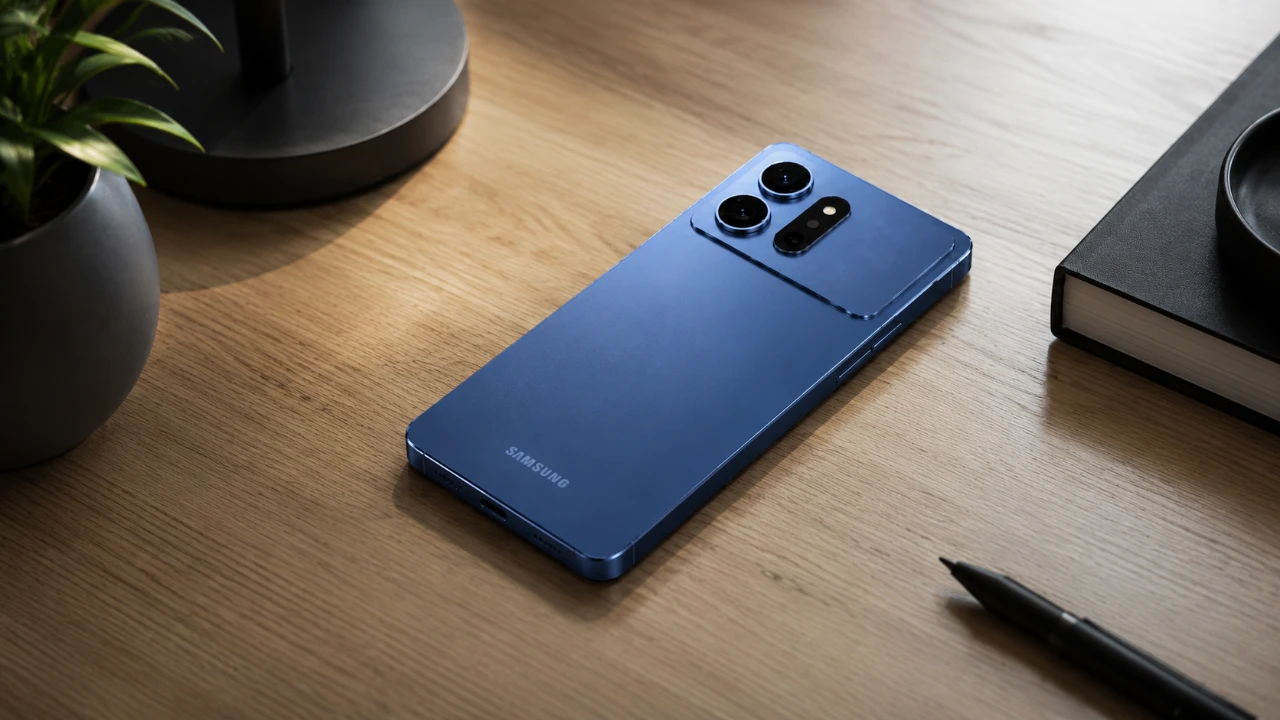
The Samsung Galaxy S27 Ultra is rumored to introduce an innovative feature: self-healing glass. This innovative material, reportedly developed in collaboration with Corning, could enable the device to recover from minor scratches, marking a significant advancement in smartphone durability. While the exact details of its implementation remain speculative, the potential inclusion of this technology highlights the growing influence of material science in shaping the future of consumer electronics. If realized, this innovation could redefine how users perceive the longevity and resilience of their devices.

Understanding Self-Healing Glass
At the heart of the Galaxy S27 Ultra rumors lies self-healing glass, a material engineered to repair minor abrasions over time. This technology could directly address one of the most common frustrations for smartphone users: scratches that diminish the device’s aesthetic appeal. By incorporating self-healing glass, Samsung aims to enhance both the durability and visual integrity of its flagship smartphone. However, questions remain about whether this material will be applied to the display, the back panel, or both.
Self-healing materials are not entirely new to the tech world. LG introduced a similar concept in 2015 with the G Flex 2, which featured a self-repairing back cover. However, that early iteration had notable limitations, including slower repair times and reduced effectiveness. Advances in material science over the past decade suggest that Samsung and Corning may have developed a more robust and reliable solution, potentially overcoming the shortcomings of earlier attempts.
Samsung and Corning: A Strategic Collaboration
The rumored self-healing glass is believed to be the result of a partnership between Samsung and Corning, the company renowned for its Gorilla Glass technology. This collaboration underscores the importance of joint innovation in advancing smartphone technology. Corning’s expertise in glass engineering, combined with Samsung’s focus on user-centric design, could result in a material that balances durability with innovative functionality.
Reports suggest that this new material may be branded as “Gorilla Armor,” emphasizing both its strength and adaptability. Unlike traditional Gorilla Glass, which prioritizes scratch resistance, the self-healing variant may trade some of that resilience for the ability to repair minor damage. Striking the right balance between scratch resistance and repairability will be critical to the material’s success and consumer acceptance. If executed effectively, this innovation could set a new benchmark for smartphone durability.
Balancing Durability and Repairability
One of the most significant challenges in developing self-healing glass lies in achieving the right balance between durability and repairability. Traditional tempered glass, such as Gorilla Glass Victus, is designed to resist scratches and impacts, offering robust protection for smartphone displays. In contrast, self-healing materials often rely on softer, more flexible polymers that enable the repair process but may be more prone to initial damage.
For consumers, this trade-off raises practical concerns. Will self-healing glass withstand the rigors of daily use, or will it require more careful handling? Additionally, the speed and effectiveness of the self-healing process will be crucial. If scratches can be repaired within minutes or hours, the technology could become a highly desirable feature. However, slower repair times or reduced scratch resistance could limit its appeal, especially for users who prioritize durability over aesthetics.
Future Implications and Unanswered Questions
While the prospect of self-healing glass is exciting, many details remain uncertain. Samsung has yet to confirm whether this technology will be ready for the Galaxy S27 Ultra’s release or how it will be marketed. It is also unclear whether this innovation will be exclusive to the Galaxy S27 Ultra or eventually extend to other devices in Samsung’s lineup.
Another critical consideration is the application of the self-healing material. If used on the back panel, it could enhance the overall durability of the device. However, applying it to the display would have a more profound impact on the user experience, as the screen is the most frequently interacted-with component. Implementing self-healing glass on a display presents additional challenges, such as maintaining optical clarity and touch sensitivity, both of which are essential for a seamless user experience.
Beyond smartphones, the potential applications of self-healing materials are vast. From consumer electronics to automotive components and even architectural designs, this technology could pave the way for more resilient and sustainable products. The collaboration between Samsung and Corning may serve as a fantastic option for broader adoption of self-repairing materials across various industries.
Material Science: Shaping the Future of Smartphones
If the Samsung Galaxy S27 Ultra does feature self-healing glass, it would represent a significant milestone in smartphone design and durability. This development reflects a broader industry trend toward material innovation, as manufacturers strive to create devices that are not only more functional but also more resilient. By addressing common issues like scratches and wear, these advancements aim to enhance the overall user experience and extend the lifespan of consumer electronics.
The potential success of self-healing glass could also influence competitors to explore similar technologies, driving further innovation in the industry. As material science continues to evolve, the possibilities for creating smarter, more durable devices are expanding. Whether through self-healing glass or other new materials, the future of smartphones promises to be one of enhanced functionality and improved user satisfaction.
Ultimately, the rumored inclusion of self-healing glass in the Galaxy S27 Ultra underscores the importance of collaboration and innovation in addressing consumer needs. While challenges remain, such as balancing scratch resistance with repairability, this technology has the potential to redefine durability standards and set a new precedent for the smartphone industry. As the release date approaches, anticipation continues to build for what could be one of the most innovative devices of its time.
Check out more relevant guides from our extensive collection on Galaxy S27 Ultra that you might find useful.
- Samsung Galaxy S27 Ultra and Pro Camera Specs Finally Leak
- Samsung Galaxy S27 Ultra Leaks: Why the 4-Camera Era Might Be Officially Over
- Samsung Galaxy S27 Ultra Leaks Point to a Massive Upgrade
- Why the Galaxy S27 Ultra is a Complete Reset for Samsung
- Samsung Galaxy S27 Ultra: The Flagship Overhaul We’ve Been Waiting For
- Samsung Galaxy S27 Ultra Leak Hints at a Surprising Change to Its Famous Camera Setup
Source: Miror Pro
Disclosure: Some of our articles include affiliate links. If you buy something through one of these links, Geeky Gadgets may earn an affiliate commission. Learn about our Disclosure Policy.
