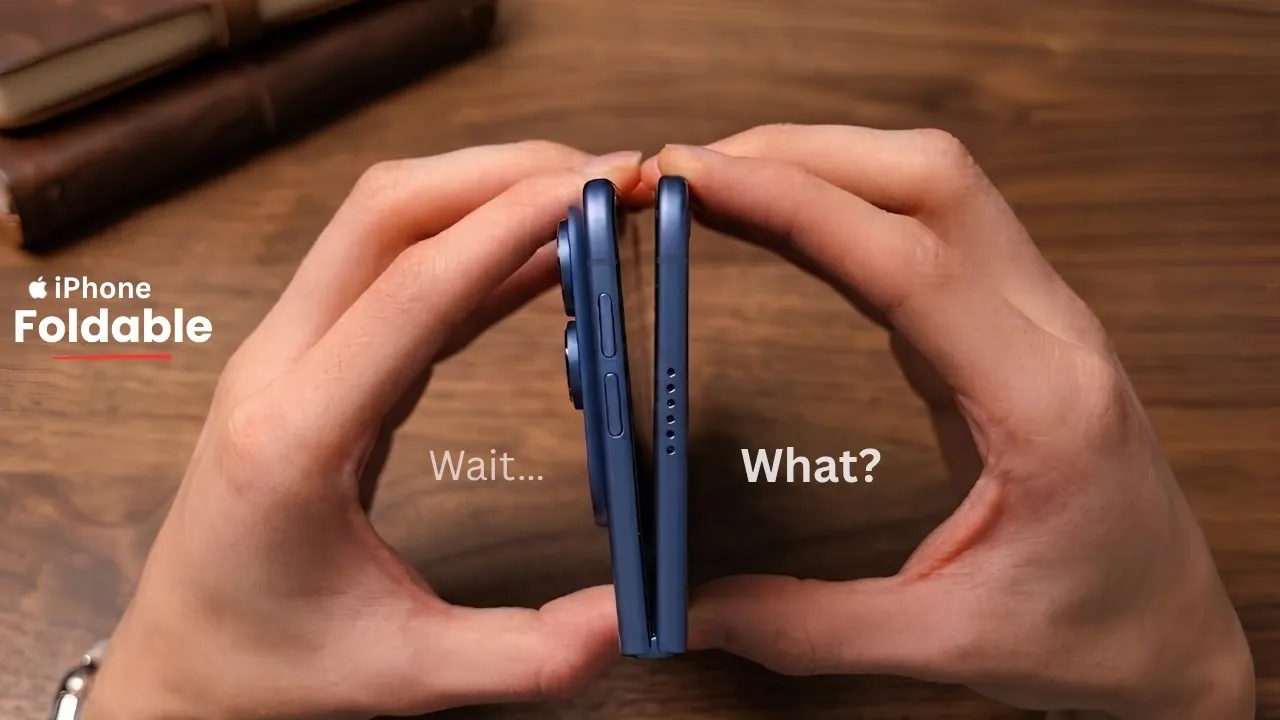
The tech world is abuzz with speculation surrounding Apple’s rumored foldable iPhone, potentially named the “iPhone Ultra.” As foldable smartphones continue to gain traction, Apple’s entry into this innovative segment could disrupt Samsung’s dominance with its Galaxy Fold series. However, critical questions remain about the device’s launch timing, production challenges, and branding strategy. These factors will play a decisive role in determining whether Apple can establish itself as a formidable competitor in the foldable smartphone market. The video below from Talks Daily Tech gives us more details.

When Will It Launch and Who Will Get It First?
Apple is widely expected to unveil its foldable iPhone as early as September, aligning with its established product launch cycle. Historically, Apple has prioritized the U.S. market for initial releases, but this device may see a more expansive global rollout. Such a move would signal Apple’s intent to position its foldable iPhone as a direct competitor to Samsung’s Galaxy Fold series on a worldwide scale.
However, the potential for limited supply at launch could complicate this strategy. Apple’s flagship products often experience overwhelming demand and the foldable iPhone is likely to follow suit. If production constraints lead to delays, many eager buyers could face months-long wait times. While this scarcity might enhance the device’s exclusivity, it risks alienating consumers who may turn to more readily available alternatives.
Production Hurdles: Can Apple Keep Up?
The production of foldable smartphones presents unique challenges, and Apple is reportedly grappling with the complexities of scaling manufacturing for such a device. Key obstacles include the intricate assembly of durable hinges and the integration of foldable displays, both of which are critical to the device’s functionality and longevity.
Industry suppliers estimate that it could take Apple 3-5 months to ramp up production to meet anticipated demand. This timeline underscores the difficulty of achieving mass production for a product that must meet Apple’s stringent quality standards. Any delays in production could create bottlenecks, potentially impacting the device’s availability during its critical launch phase.
High Demand Meets Limited Supply
Foldable smartphones are among the most sought-after devices in today’s tech landscape and Apple’s entry into this market is expected to heighten consumer interest. The combination of high demand and constrained supply could lead to significant challenges. While limited availability might enhance the device’s allure as a luxury item, it could also frustrate potential buyers.
Samsung, with its established Galaxy Fold series, could benefit from any delays in Apple’s production timeline. Consumers unwilling to wait for the foldable iPhone may opt for Samsung’s offerings, which are already well-established and widely available. Apple’s ability to manage this delicate balance between demand and supply will be critical to its success in the foldable market.
What’s in a Name? Branding Matters
The name of Apple’s foldable device remains a closely guarded secret, with “iPhone Ultra” being a popular contender. However, Apple’s branding decisions are rarely arbitrary. The chosen name will need to encapsulate the device’s innovation, luxury, and reliability, qualities that Apple’s customer base has come to expect.
Apple’s history of strategic branding suggests that the name will play a pivotal role in shaping consumer perception. Whether it opts for “iPhone Ultra” or another moniker, the branding will need to resonate with both loyal Apple users and potential new customers. A well-chosen name could significantly influence the device’s market reception and long-term success.
Overcoming Technical Challenges
Despite the production hurdles, Apple appears to be making steady progress in preparing its foldable iPhone for mass production. Two critical areas of focus are hinge durability and foldable display performance. These components are essential for making sure user satisfaction and the device’s long-term reliability.
Apple’s reputation for delivering high-quality products will be put to the test with the foldable iPhone. The company’s ability to overcome these technical challenges and deliver a robust, innovative device will be crucial in meeting the high expectations of its discerning customer base. Success in these areas could set a new standard for foldable smartphones, further solidifying Apple’s position as a leader in the tech industry.
What Lies Ahead?
The foldable iPhone, potentially named the “iPhone Ultra,” represents Apple’s ambitious entry into the foldable smartphone market. A September launch could position it as a direct competitor to Samsung’s Galaxy Fold series, but production challenges and limited availability may temper its initial impact.
Apple’s success in this new market will depend on several factors, including its ability to scale production efficiently, deliver a durable and innovative product and craft a compelling branding strategy. If Apple can navigate these challenges effectively, the iPhone Ultra could redefine the foldable smartphone landscape and set a new benchmark for the industry.
Learn more about iPhone Ultra with other articles and guides we have written below.
- iPhone Ultra Fold Launch Date Reportedly Confirmed by Leak
- Why Apple’s iPhone Ultra Fold Changes Everything We Know About Smartphones
- See the First Hands-on Video of the iPhone Fold Ultra
- iPhone Ultra Leaks Reveal 2nm A20 Chip, 12GB RAM, and 4.5mm Chassis
- Apple’s Crease-Free iPhone Ultra Fold Arrives Later This Year
- New iPhone Ultra Leak Points to Apple’s Biggest Surprise Yet
Source & Image Credit: Talks Daily Tech
Disclosure: Some of our articles include affiliate links. If you buy something through one of these links, Geeky Gadgets may earn an affiliate commission. Learn about our Disclosure Policy.
