The Fly Catching LED Clock is the innovative creation of British designers Jimmy Loizeau and James Auger. This unique clock operates by collecting insects on a sticky roller covered in fly paper. Once the flies are trapped, they are subsequently dropped into a microbial fuel cell.
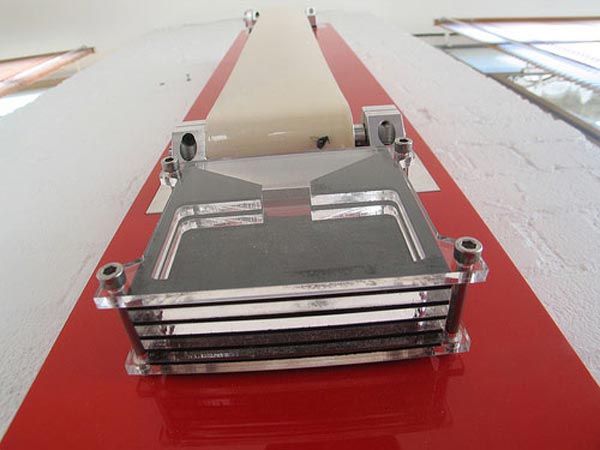
How the Fly Catching LED Clock Works
The dead flies are then digested by bacteria within the microbial fuel cell. This digestion process leads to chemical changes that generate electricity, which is then used to power the LED clock. This fascinating mechanism not only provides a novel way to keep track of time but also showcases an innovative approach to sustainable energy. Who knew flies could be so useful?
The microbial fuel cell is a bio-electrochemical system that drives a current by mimicking bacterial interactions found in nature. When the flies are broken down by the bacteria, electrons are released as a byproduct. These electrons are captured and used to generate power. This process is not only efficient but also environmentally friendly, as it reduces the need for traditional batteries.
Applications and Implications
The Fly Catching LED Clock is more than just a quirky gadget; it represents a step forward in the field of bio-energy. By converting organic waste into electricity, this clock demonstrates the potential for microbial fuel cells to be used in a variety of applications. For instance, similar technology could be employed in waste treatment plants to generate power from organic waste, or in remote areas where traditional power sources are not available.
Moreover, this clock serves as an educational tool, raising awareness about alternative energy sources and the potential of microbial fuel cells. It encourages people to think creatively about how we can harness natural processes to meet our energy needs.
In addition to its practical applications, the Fly Catching LED Clock also has an aesthetic appeal. Its design is sleek and modern, making it a conversation piece in any room. The concept of using flies to power a clock is intriguing and thought-provoking, challenging our perceptions of waste and energy.
To give a real-world example, consider a household that uses this clock. Not only would it serve as a functional timepiece, but it would also help reduce the number of flies in the home, providing a dual benefit. Furthermore, it could inspire other innovative uses of microbial fuel cells in everyday life.
Dvice via , TecChee
Disclosure: Some of our articles include affiliate links. If you buy something through one of these links, Geeky Gadgets may earn an affiliate commission. Learn about our Disclosure Policy.
