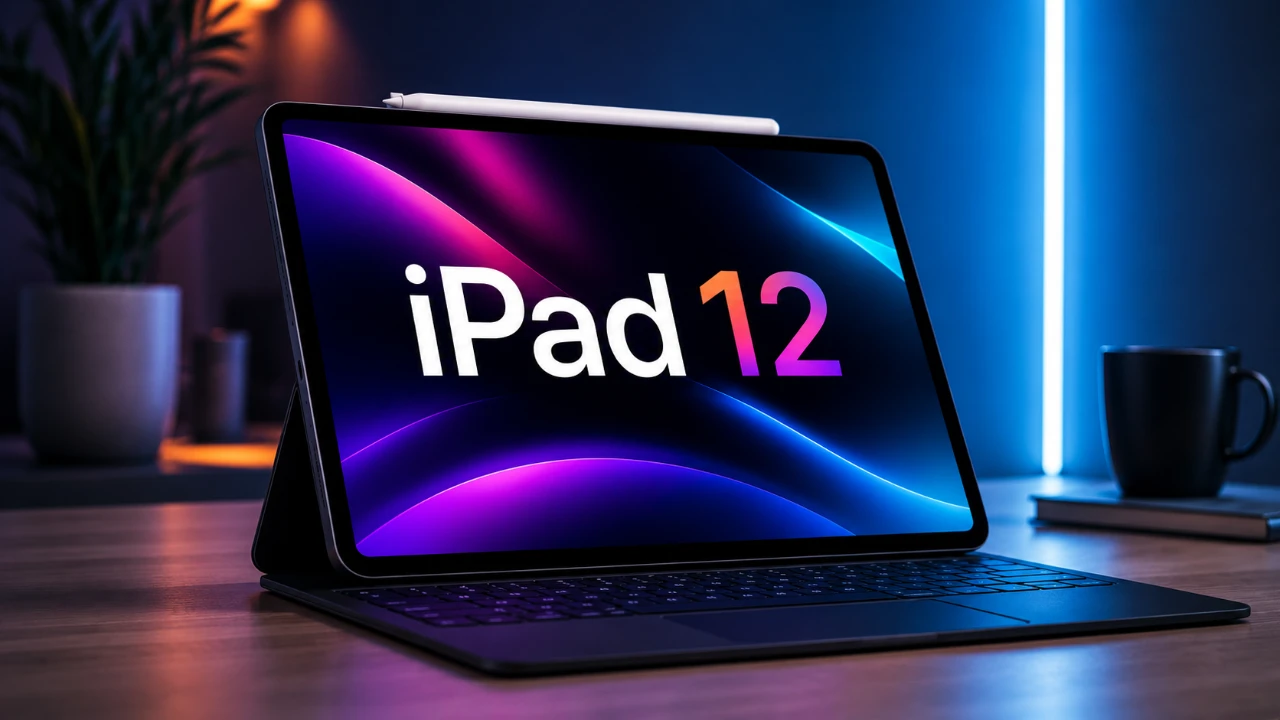
The 12th-generation iPad is poised to make its debut in late 2026, offering a blend of performance enhancements and Apple’s signature user-friendly design. With the inclusion of the A18 chip and 8 GB of RAM, this iteration promises a noticeable boost in efficiency and functionality while maintaining the familiar design and pricing structure that has defined Apple’s baseline iPads. Positioned as a versatile and accessible device, the iPad 12 is expected to cater to a broad audience, ranging from students and educators to professionals and casual users.

Release Timeline: When to Expect It
Apple is expected to unveil the iPad 12 in October or November 2026, following its well-established product release cycle. Historically, Apple aligns the launch of its baseline iPads with the release of new iPhones and Apple Watches, making sure a cohesive product lineup ahead of the holiday shopping season. This predictable schedule allows you to plan your purchase and evaluate how the iPad 12 fits into your personal or professional tech ecosystem. By adhering to this timeline, Apple continues to meet consumer expectations while maintaining its competitive edge in the tablet market.
Performance Boost: The A18 Chip
At the heart of the iPad 12 lies the A18 chip, a processor designed to deliver a significant performance boost. Featuring a six-core CPU—comprising four efficiency cores and two performance cores, alongside a four-core GPU, the A18 chip mirrors the configuration found in the iPhone 16e. This strategic reuse of slightly older chipsets in baseline iPads allows Apple to balance cost-efficiency with capability. For you, this translates to faster app launches, smoother multitasking and improved energy efficiency, making the iPad 12 a practical choice for both everyday tasks and more demanding applications.
Enhanced Multitasking with 8 GB of RAM
The inclusion of 8 GB of RAM in the iPad 12 marks a significant upgrade over its predecessor, which featured 6 GB. This enhancement is particularly impactful when paired with iPadOS 27, Apple’s latest operating system, which introduces advanced features such as enhanced Apple Intelligence and improved multitasking capabilities. Whether you’re running resource-intensive applications, editing documents, or switching between multiple tasks, the additional RAM ensures a seamless and responsive user experience. Furthermore, this upgrade future-proofs the device, allowing it to handle upcoming software updates and applications with ease.
Familiar Design, Practical Features
Apple has chosen to retain the design language of its previous models for the iPad 12, emphasizing continuity and practicality. The display size, storage options, and overall aesthetics remain consistent with earlier iterations, reflecting Apple’s preference for incremental updates in its baseline iPads. While some may view this approach as conservative, it ensures compatibility with existing accessories such as cases, keyboards, and styluses, which is a significant advantage for current iPad users. If you’ve used a 10th or 11th-generation iPad, the iPad 12 will feel instantly familiar, offering a sense of reliability and ease of use.
Pricing: Balancing Affordability and Value
The iPad 12 is expected to start at $349 for the base model, continuing Apple’s tradition of offering budget-friendly options in the tablet market. However, due to rising component costs, the price could see a slight increase, potentially ranging between $379 and $400. This pricing strategy underscores Apple’s commitment to delivering capable devices at accessible price points, making the iPad 12 an attractive choice for students, families, and budget-conscious buyers. By maintaining a balance between affordability and value, Apple ensures that the iPad 12 remains competitive in a crowded market.
USB-C Connectivity: A Standardized Approach
The iPad 12 continues Apple’s transition to USB-C connectivity, a feature first introduced in the 10th-generation iPad. This shift aligns with broader industry standards, offering you greater flexibility with accessories and faster data transfer speeds. USB-C also enhances compatibility with a wide range of devices, from external storage drives to monitors, making the iPad 12 a versatile tool for both personal and professional use. By adopting this standardized approach, Apple simplifies the user experience and ensures that its devices remain relevant in an increasingly interconnected tech landscape.
Historical Context: Building on a Proven Formula
To fully appreciate the iPad 12’s positioning, it’s helpful to examine its predecessors. The 10th-generation iPad, launched in 2022, introduced USB-C connectivity and the A14 chip, setting a new standard for baseline models. Priced at $349 after a 2024 adjustment, it offered solid performance at an affordable price. The 11th-generation iPad, released in 2025, featured the A16 chip and 6 GB of RAM while maintaining the same price point. These incremental upgrades highlight Apple’s strategy of using slightly older technology to deliver reliable performance without inflating costs. The iPad 12 builds on this foundation, offering meaningful improvements while adhering to the principles that have made Apple’s baseline iPads so popular.
A Balanced Evolution
The 12th-generation iPad represents a thoughtful evolution of Apple’s baseline tablet lineup. By integrating the A18 chip, 8 GB of RAM, and iPadOS 27, it delivers meaningful performance improvements while retaining the familiar design and affordability that users have come to appreciate. Whether you’re upgrading from an older model or purchasing your first iPad, the iPad 12 offers a compelling combination of capability and cost-effectiveness. With its anticipated release in late 2026, this device is set to continue Apple’s tradition of delivering accessible and reliable technology to a wide audience.
Uncover more insights about the A18 chip in the previous articles we have written.
- The 2026 iPad 12th Gen is Hiding More Than You Think (New Leaks!)
- Apple Releases iOS 26.5: Here Are the Hidden Features
- The Apple TV 4K “Ready to Ship”: Why You Still Can’t Buy the 2026 Model Yet
- The End of the Annual Launch? Why Apple Is Splitting the iPhone 18 Release for the First Time Ever
- Why macOS 27 is Officially Apple’s Biggest Mac Update Yet
Source: Matt Talks Tech
Disclosure: Some of our articles include affiliate links. If you buy something through one of these links, Geeky Gadgets may earn an affiliate commission. Learn about our Disclosure Policy.
