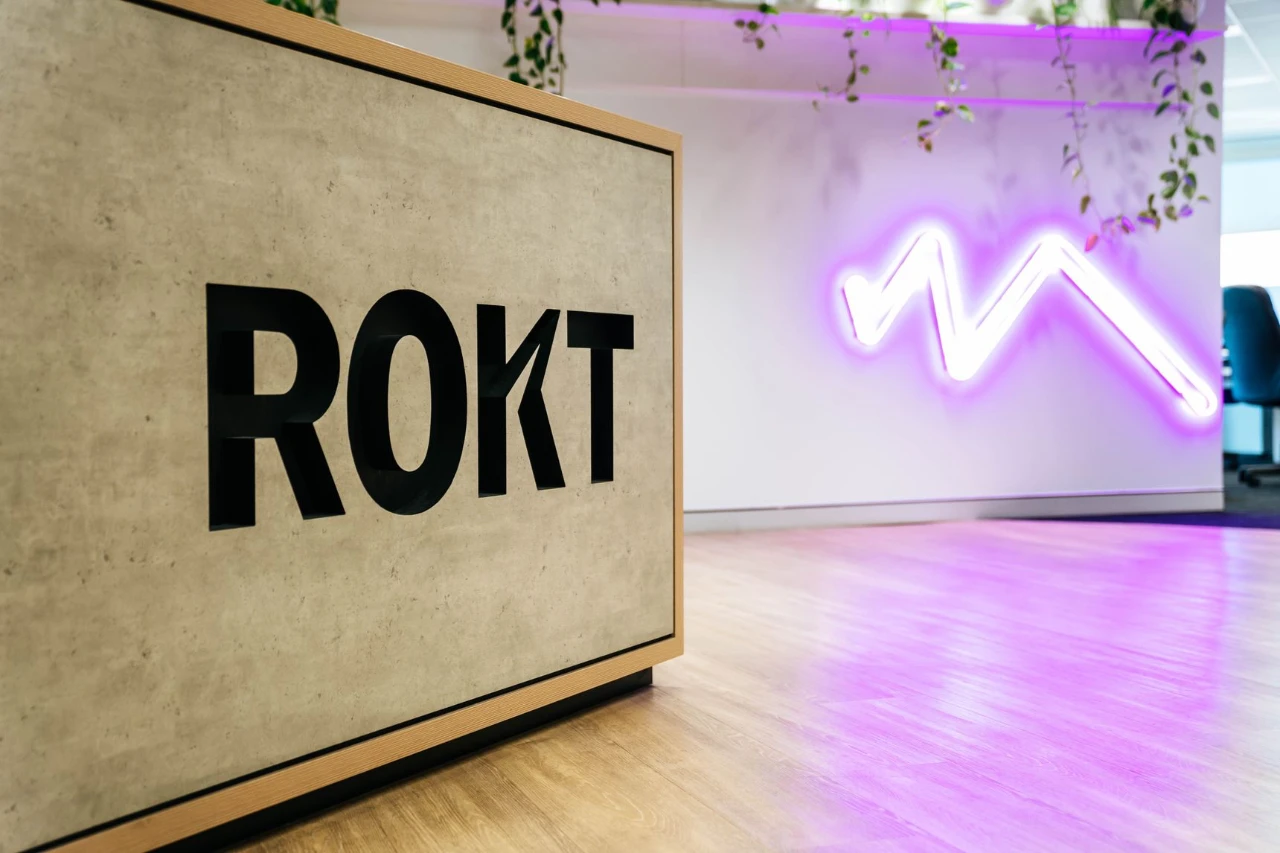
Rokt, the New York-based e-commerce technology company, has spent more than a decade working on a problem that quietly defeats most firms as they grow: holding on to the culture that made the company worth joining in the first place. Its approach rests on three qualities employees name again and again: ownership, global collaboration, and growth the company can actually measure. The payoff shows in a workforce that tends to stay, and a striking number who leave and later choose to rejoin.
One recent example is Aki Noguchi, Marketing Manager for Rokt Japan. After stepping away to serve as PR and Media Manager for the Consulate General of the Kingdom of the Netherlands at Expo 2025 in Osaka, Noguchi chose to rejoin Rokt in their Tokyo office. In a company spotlight, he explained that the decision came down to culture: a fast-paced setting that trusts people to own the outcome and connects them with talented colleagues across the world. Rokt, he noted, genuinely welcomes back “boomerangs,” and that openness made returning feel natural. His experience tracks closely with what independent reviewers and ranking bodies have documented about the company over the past two years.
Ownership comes first
Ownership is one of Rokt’s core values, and employees describe it as something they practice daily rather than a line on a values page. Rather than waiting for direction, staff, known internally as Rokt’stars, are trusted to make decisions, move quickly, and focus on impact. Noguchi put it plainly: Rokt encourages people to be empowered to own the outcome.
That builder mindset is reinforced by structure. As the technology outlet Tech Journal reported in July 2026, Rokt runs a flat organization with wide spans of control, a design meant to keep leaders accessible and internal moves frequent. Dan Wright, now a vice president of operations and solutions, has been part of fourteen different teams inside the company, and what stood out to him was how steady the culture held through that much change.
Built with talented people around the world
For Noguchi, one of the biggest draws is collaborating across regions. He regularly works with colleagues in London, Sydney, and New York, an arrangement he calls exciting and one that helps teams combine perspectives to solve customer problems together.
That global range rests on a deliberate commitment to inclusion. In a July 2025 engagement survey cited by Rokt, 88% of employees said the company provides equal opportunity regardless of age, race, gender, or sexual orientation, a six-point increase from 82% the year before. Reporting from the business outlet Bit Rebels noted that Rokt funds Employee Resource Groups and affinity communities with company resources and executive sponsorship, treating them as part of its development infrastructure rather than optional social activities.
Growth the company can measure
Where many employers speak about development in the abstract, Rokt attaches numbers to it. Built In data shows the company maintains an internal promotion rate above 10% a year, well above industry norms, alongside a transparent compensation ladder that makes salary data visible across every role. Every employee in the same role receives identical pay regardless of gender, race, or negotiating ability, a practice Bit Rebels highlighted as a way to remove friction that quietly erodes trust.
The development infrastructure runs deeper than pay. Rokt’stars receive continuous peer feedback rather than a single annual review, six free sessions a year with a licensed professional for wellbeing, and access to an internal AI Academy that treats AI fluency as a baseline skill across the workforce. The Great Place to Work certification data behind those programs is striking: 92% of employees say Rokt is a great place to work, compared with 57% at a typical U.S. company, and 98% say colleagues care about one another.
Culture treated as a system
Rokt’s leadership frames all of this as engineering rather than sentiment. At the company’s 2026 Global Kickoff, CEO Bruce Buchanan opened with a concept borrowed from physics. As Global Brands Magazine reported, Buchanan described entropy, the natural drift of any system toward disorder, as the central challenge facing any organization that scales. Priorities blur, decision ownership diffuses, and processes pile up past their usefulness. His answer is to design culture with intended outcomes rather than treat it as a mood.
The scale of that challenge is real. Rokt has grown roughly 330% over three years and added around 290 team members in 2025 alone, sustaining a compound annual growth rate above 40% for more than a decade. Its AI and e-commerce network is on track to power more than 10 billion transactions in 2026 for companies such as Live Nation, Macy’s, PayPal, and Uber, according to the company’s Rokt by the Numbers update.
What the awards actually measure
The recognition Rokt has collected is notable less for its volume than for its source: most of it is drawn from anonymous employee surveys rather than company nominations. That distinction matters, because awards filtered through employee data reflect how people are managed day to day.
Buchanan has tied that performance back to people directly. Reflecting on Rokt’s place on the Deloitte Technology Fast 500, he said the recognition underscored the power of the company’s team and the culture it has built. Independent review sites echo the picture from the outside, wherein Rokt holds a rating near 3.9 out of 5, with a majority of reviewers saying they would recommend it to a friend. The company also shares day-to-day glimpses of life inside its offices on its LinkedIn page.
Who thrives here
By the accounts of employees and reviewers alike, the people who do best at Rokt bring strong ideas, enjoy learning across functions, and want teammates who take their craft seriously. Values such as Smart with Humility and Better Together function as real criteria in hiring and promotion rather than slogans. It is a fast and demanding place, and the company is candid about that. For someone like Aki Noguchi, it was also a place worth returning to. Rokt continues to recruit for that profile, pointing prospective builders toward its open roles and the question at the center of its culture: what it means to be a Rokt’star.
Disclosure: Some of our articles include affiliate links. If you buy something through one of these links, Geeky Gadgets may earn an affiliate commission. Learn about our Disclosure Policy.
