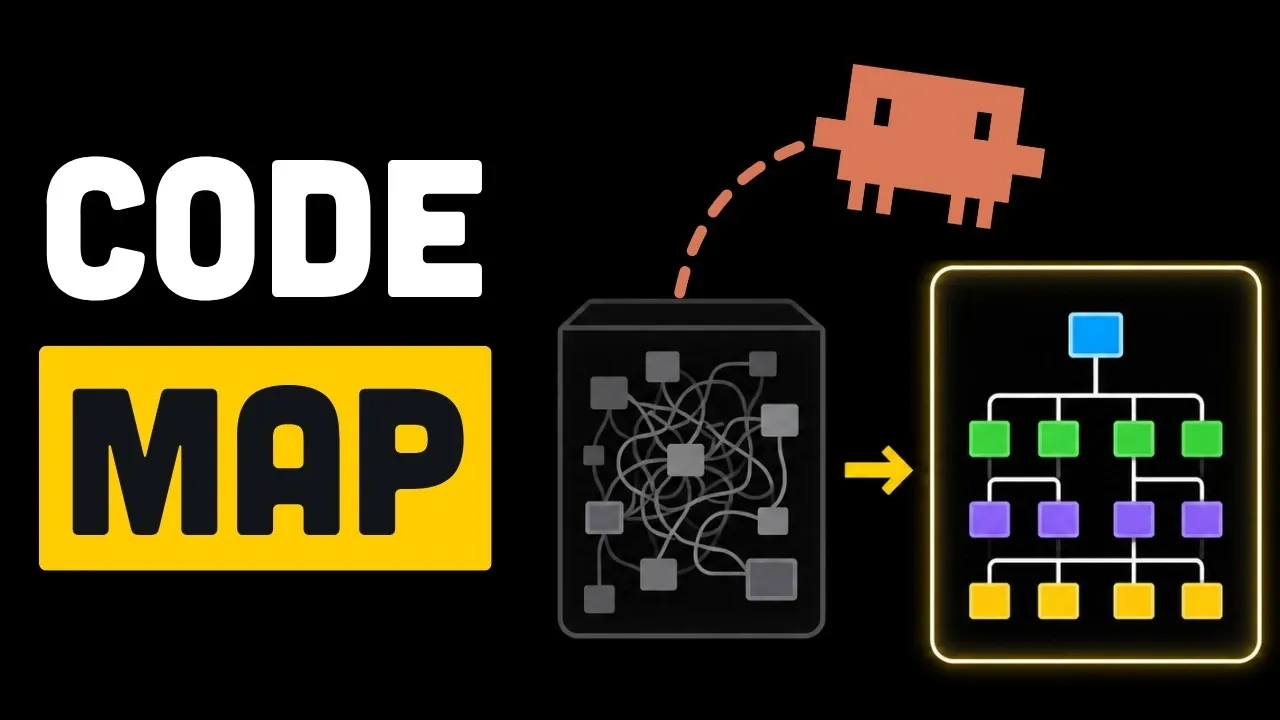
Better Stack examines how the open source plugin Understand-Anything simplifies navigating complex codebases by turning repositories into interactive, queryable knowledge graphs. Combining static code analysis with large language models (LLMs), the plugin generates visual representations of system architecture, dependencies and workflows. For example, developers can use these maps to trace how specific components interact, making it easier to analyze legacy systems or onboard new team members.
Explore how the Understand-Anything plugin offers features like guided walkthroughs to clarify code flows and searchable dashboards for pinpointing specific elements within a project. Learn how it aids in onboarding by presenting clear project overviews and supports refactoring by identifying dependencies and evaluating the potential impact of changes.
Understand-Anything
TL;DR Key Takeaways :
- Understand-Anything is an open source plugin that transforms code repositories into interactive, queryable knowledge graphs, simplifying the understanding of complex codebases.
- Turn any codebase, knowledge base, or docs into an interactive knowledge graph you can explore, search, and ask questions about.
- The tool combines static code analysis with multi-agent large language model (LLM) processing to map system architecture, dependencies and workflows, offering deeper insights into system behavior.
- Key use cases include onboarding new developers, enhancing AI coding tools and facilitating safer refactoring by identifying dependencies and potential impacts of changes.
- Features such as visual maps, guided walkthroughs, searchable dashboards and seamless integration make it a versatile tool for managing intricate systems and legacy codebases.
- While it offers significant productivity benefits, challenges include LLM-related processing costs, potential learning curves and the need for careful interpretation of its outputs as a complement to hands-on expertise.
- Works with Claude Code, Codex, Cursor, Copilot, Gemini CLI, and more.
How It Works
Understand-Anything uses a combination of static code analysis and multi-agent large language model (LLM) processing to dissect and map codebases. The result is an interactive knowledge graph that goes beyond traditional code visualization tools. This graph highlights system architecture, code flows and dependencies while offering insights into how individual components interact and the potential impact of changes. Unlike conventional tools that focus solely on structure, Understand-Anything provides a deeper understanding of system behavior, making it a valuable resource for developers working on complex projects.
The tool’s ability to integrate LLMs allows it to process large amounts of code and generate meaningful insights. However, this advanced functionality requires careful consideration of processing costs and time, particularly for extensive repositories. Despite these challenges, its unique approach to mapping codebases sets it apart from other solutions.
Who Benefits Most?
Understand-Anything is designed to address the specific challenges faced by developers, particularly when working with large, unfamiliar, or legacy codebases. Its primary use cases include:
- Onboarding: New developers can quickly familiarize themselves with the structure and functionality of a codebase, significantly reducing the time required to become productive.
- AI Coding Tools: By providing a structured context, the plugin enhances the accuracy and relevance of AI-driven coding tools, improving code suggestions and allowing more precise automated changes.
- Refactoring: Developers can identify dependencies and assess the potential impact of changes, minimizing risks and making sure smoother updates to the codebase.
This tool is particularly beneficial for teams managing complex systems or transitioning between projects, as it provides a clear and actionable overview of the codebase.
Why It Matters
The practical benefits of Understand-Anything extend beyond convenience, offering tangible improvements to development workflows and team productivity:
- Time Efficiency: Developers spend less time navigating unfamiliar codebases, allowing them to focus on building and refining features.
- Enhanced Clarity: By bridging the gap between code structure and system behavior, the tool provides a comprehensive understanding of how components interact and function.
- Accessibility: As a free, MIT-licensed tool, Understand-Anything is accessible to developers and organizations of all sizes, providing widespread access to access to advanced code visualization capabilities.
By simplifying the process of understanding complex systems, the tool enables developers to work more effectively and make informed decisions.
Learn more about open-source projects by reading our previous articles, guides and features :
- Google Just Released Gemma 4: Why This Open-Source AI is a Game Changer
- AI Agents in 2026 Bring Longer Tasks and Stronger Tool Use
- Storaxa open source cloud NAS storage with remote access
- Why Developers Are Switching to Kimi K2.6 Over Gemini 3.1 Pro
- Kimi K2.6 Breakdown: the Open-Source AI That Beats GPT-5.4 at Coding
- LiteParse : Open-Source Tool Finally Fixing OCR’s Biggest Table & Layout Flaws
- Xiaomi Just Released an Open-Source AI That Outperforms GPT-5.4
- Why Developers Are Switching to DeepSeek V4 Flash for Open-Source AI
- Inside Hermes : the OpenSource AI That Automatically Generates Its Own Skills
- Shanon : New Open Source AI Pentester Powered By Claude Code
Key Features That Stand Out
Understand-Anything offers a range of features designed to enhance productivity and simplify the process of navigating and managing codebases. These features include:
- Visual Maps: Detailed visual representations of system architecture and internal components help developers understand complex relationships and dependencies within the codebase.
- Guided Walkthroughs: Step-by-step tours of code flows, including entry points, validation logic, database interactions and error handling, provide a comprehensive understanding of system behavior.
- Searchable Dashboards: Intuitive dashboards enable developers to query specific modules, concepts, or dependencies, allowing for targeted exploration and analysis.
- Seamless Integration: The tool integrates smoothly into various development environments, allowing teams to adopt it gradually without disrupting existing workflows.
These features make Understand-Anything a versatile tool that can adapt to the needs of different development teams and projects.
Challenges to Consider
While Understand-Anything offers significant advantages, it is not without its limitations. The reliance on large language models (LLMs) can lead to higher token costs and increased processing times, particularly when analyzing large or highly complex codebases. Additionally, while the tool provides valuable insights, it is not a substitute for hands-on code reading and in-depth understanding. Developers must interpret its outputs carefully and use them as a complement to their expertise rather than a replacement.
Another consideration is the potential learning curve associated with adopting the tool. While its interface is designed to be intuitive, teams may need time to fully integrate it into their workflows and maximize its benefits.
How It Compares to Other Tools
Understand-Anything stands out from traditional code visualization tools by focusing on system behavior and relationships rather than just structural representation. Unlike search-based AI coding tools, which often provide isolated suggestions or fixes, Understand-Anything offers a more teachable and visual approach. This makes it particularly effective for onboarding new developers, managing complex projects and maintaining legacy systems.
Its ability to generate interactive knowledge graphs that highlight dependencies and workflows gives it a unique edge. By providing a holistic view of the codebase, it enables developers to make more informed decisions and reduces the risks associated with changes or updates.
What Developers Are Saying
The developer community has responded positively to Understand-Anything, highlighting its ability to save time and improve workflows. Many developers have praised its effectiveness in simplifying onboarding processes and providing actionable insights into complex or legacy codebases. The tool’s visual and interactive approach has been particularly well-received, as it offers a clear and structured way to navigate intricate systems.
However, some developers have noted the challenges associated with its reliance on LLMs, emphasizing the importance of balancing its use with direct code analysis. Despite these concerns, the overall feedback has been overwhelmingly positive, with many developers recognizing its potential to transform how teams approach codebase management.
Looking Ahead
Understand-Anything represents a significant step forward in simplifying the complexities of modern software development. By turning code repositories into interactive knowledge graphs, it enhances onboarding, improves the accuracy of AI coding tools and streamlines workflows. While it requires thoughtful use and consideration of its limitations, its ability to provide a visual and structured understanding of code makes it an invaluable resource for developers tackling intricate systems. As the tool continues to evolve, it has the potential to become an essential part of the developer toolkit, empowering teams to work more efficiently and effectively.
Media Credit: Better Stack
Disclosure: Some of our articles include affiliate links. If you buy something through one of these links, Geeky Gadgets may earn an affiliate commission. Learn about our Disclosure Policy.
