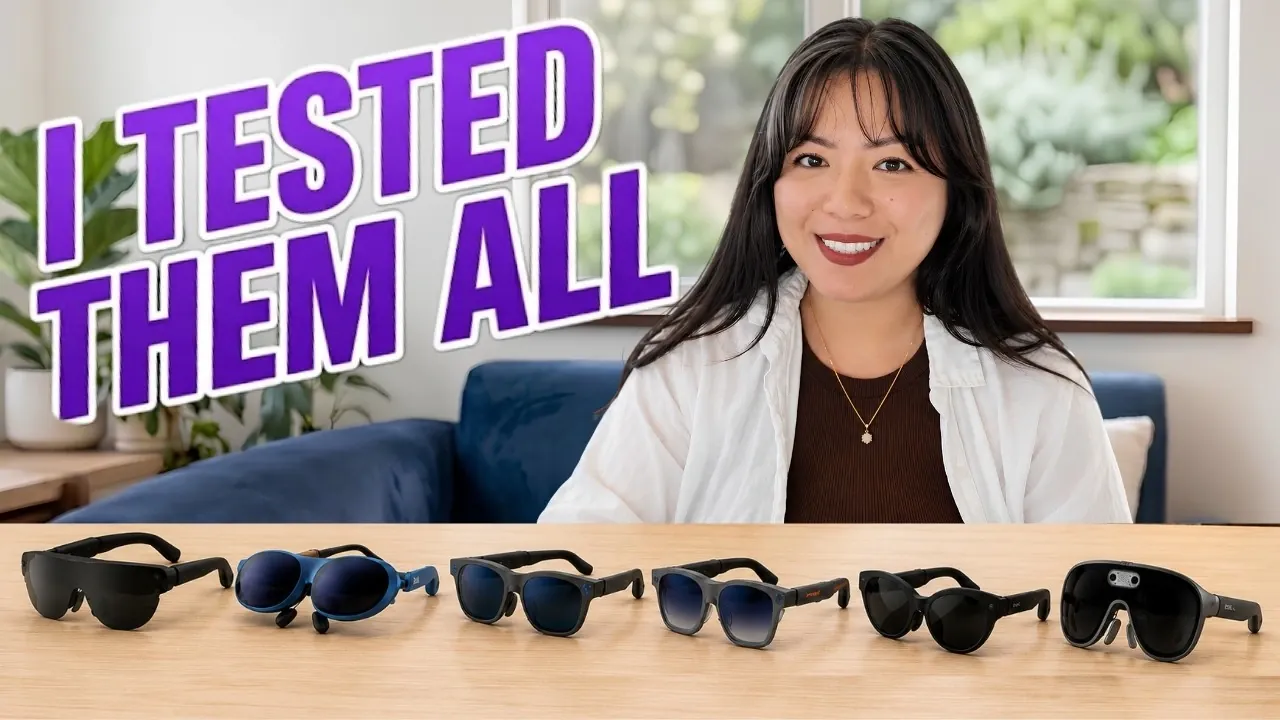
Cinematic smart glasses offer a unique way to experience digital content, blending portability with an immersive viewing experience. Jasmine Uniza examines these devices, focusing on practical features such as brightness control, comfort and prescription compatibility. For example, the VITURE Luma uses electrochromic dimming technology to adapt to different lighting conditions, while budget-friendly options like the Ray Neo Air4 Pro rely on manual light blockers, which may require more effort to adjust. These differences highlight the importance of evaluating specific features based on your individual needs.
Explore this deep dive to understand how built-in diopters can benefit prescription wearers and compare models designed for activities like gaming, travel, or productivity. Gain insight into balancing cost with functionality and discover which features are essential for casual use versus professional demands.
What Are Cinematic Smart Glasses?
TL;DR Key Takeaways :
- Cinematic smart glasses provide an immersive, portable alternative to traditional screens, catering to entertainment, gaming and productivity needs.
- Key features to consider include brightness control, comfort and prescription compatibility, with premium models offering advanced technologies like electrochromic dimming and built-in diopters.
- Top recommendations vary by use case, such as the budget-friendly Ray Neo Air4 Pro for entertainment, the standalone Rokid Max 2 for portability and the high-end VITURE Luma for productivity.
- Limitations include restricted fields of view in some models and the absence of advanced features in budget options, making it essential to balance expectations with specific needs.
- The future of smart glasses promises advancements in spatial computing, AI integration and heads-up displays, enhancing their versatility and appeal across various applications.
Cinematic smart glasses are designed to replicate the experience of viewing a large screen, whether you’re watching movies, gaming, or working. These devices often integrate seamlessly with popular platforms like smartphones, laptops, the Steam Deck and the Nintendo Switch. However, not all models are created equal. Differences in screen quality, brightness control and additional features make it essential to understand what each option offers.
For instance, some models prioritize portability and ease of use, while others focus on delivering high-end visuals and advanced functionality. By understanding these distinctions, you can identify the glasses that best suit your preferences and lifestyle.
Key Features to Consider
When evaluating cinematic smart glasses, several features play a crucial role in determining the overall experience. Paying attention to these aspects can help you choose a model that aligns with your needs.
- Brightness and Light Blocking: Effective brightness control is vital for both indoor and outdoor use. Premium models, such as the VITURE Luma, incorporate electrochromic dimming technology for automatic brightness adjustment, making sure optimal visibility in varying lighting conditions. In contrast, budget-friendly options like the Ray Neo Air4 Pro rely on manual light blockers, which, while functional, may lack the convenience of automated systems.
- Comfort and Fit: The weight and design of the glasses significantly impact long-term comfort. Most models weigh between 75 and 88 grams, but the design of the nose pads and overall fit can vary. High-end options often feature adjustable or cushioned nose pads for enhanced comfort, whereas budget models may compromise on these details, potentially affecting usability during extended wear.
- Prescription Compatibility: For users who wear prescription glasses, compatibility is a key consideration. Models like the Rokid Max 2 and VITURE Luma offer built-in diopters, eliminating the need for additional inserts. On the other hand, options such as the Vure Beast require separate prescription inserts, which can add to the overall cost and complexity.

Unlock more potential in smart glasses by reading previous articles we have written.
- Apple Glasses Leak: The Features That Could Kill Meta’s Ray-Bans
- Samsung’s New Smart Glasses Are Aiming Straight for Meta’s Crown
- Google’s Gemini Smart Glasses Make Meta Ray-Bans Look Outdated
- Samsung Integrates the Galaxy Ecosystem Into Everyday Eyewear
- The Hidden Genius Behind Apple’s Upcoming Smart Glasses
- MemoMind One Smart Glasses Drop Cameras for Dual HUD Tech
- Samsung AI Smart Glasses Prepare for a Fall 2026 Release
- How to Stream YouTube on Your Meta Ray-Ban Display Glasses
- Samsung Unveils Galaxy Smart Glasses with 9-Hour Battery
- Are the Rokid AI Glasses Actually Better Than the Even G2?
Top Recommendations by Use Case
To simplify your decision-making process, here are the top cinematic smart glasses tailored to specific needs and preferences:
- Budget-Friendly Entertainment: The Ray Neo Air4 Pro ($249) delivers impressive screen and audio quality at an affordable price. It is an excellent choice for casual users seeking value without compromising on essential features.
- Standalone Entertainment System: The Rokid Max 2 ($550 with Rokid Station) offers a lightweight and functional design, allowing you to enjoy content without relying on a smartphone or laptop. This makes it ideal for users who prioritize simplicity and portability.
- Gaming and Travel: The Vure Beast ($549) excels in immersive gaming experiences, particularly when paired with the Nintendo Switch 2. Its compact design and portability make it a reliable companion for frequent travelers and gaming enthusiasts.
- Work and Productivity: For professionals, the VITURE Luma paired with the Inair Pod (~$1,000) offers exceptional text clarity and a dependable display, making it a valuable tool for remote work setups and productivity-focused tasks.
Limitations to Keep in Mind
While cinematic smart glasses offer numerous advantages, they are not without limitations. For example, the Inair 2 Pro delivers good graphics but suffers from a limited field of view, which can detract from the overall experience. Similarly, budget models often lack advanced features such as spatial computing or premium comfort, making them less suitable for users with demanding requirements.
Understanding these limitations is essential for setting realistic expectations. By weighing the pros and cons of each model, you can make a more informed decision that aligns with your specific needs.
What’s Next for Smart Glasses?
The future of cinematic smart glasses is promising, with emerging technologies poised to enhance the user experience further. Upcoming models like the XR Aura and UR XR1 are pushing the boundaries of spatial computing, allowing more interactive and immersive experiences. Additionally, advancements in AI integration and heads-up display technology are expected to transform how users interact with digital content.
These innovations are likely to expand the capabilities of smart glasses, making them more versatile and appealing to a broader audience. As the technology continues to evolve, cinematic smart glasses are set to become an integral part of entertainment, gaming and productivity landscapes.
Media Credit: Jasmine Uniza ☕️
Disclosure: Some of our articles include affiliate links. If you buy something through one of these links, Geeky Gadgets may earn an affiliate commission. Learn about our Disclosure Policy.
