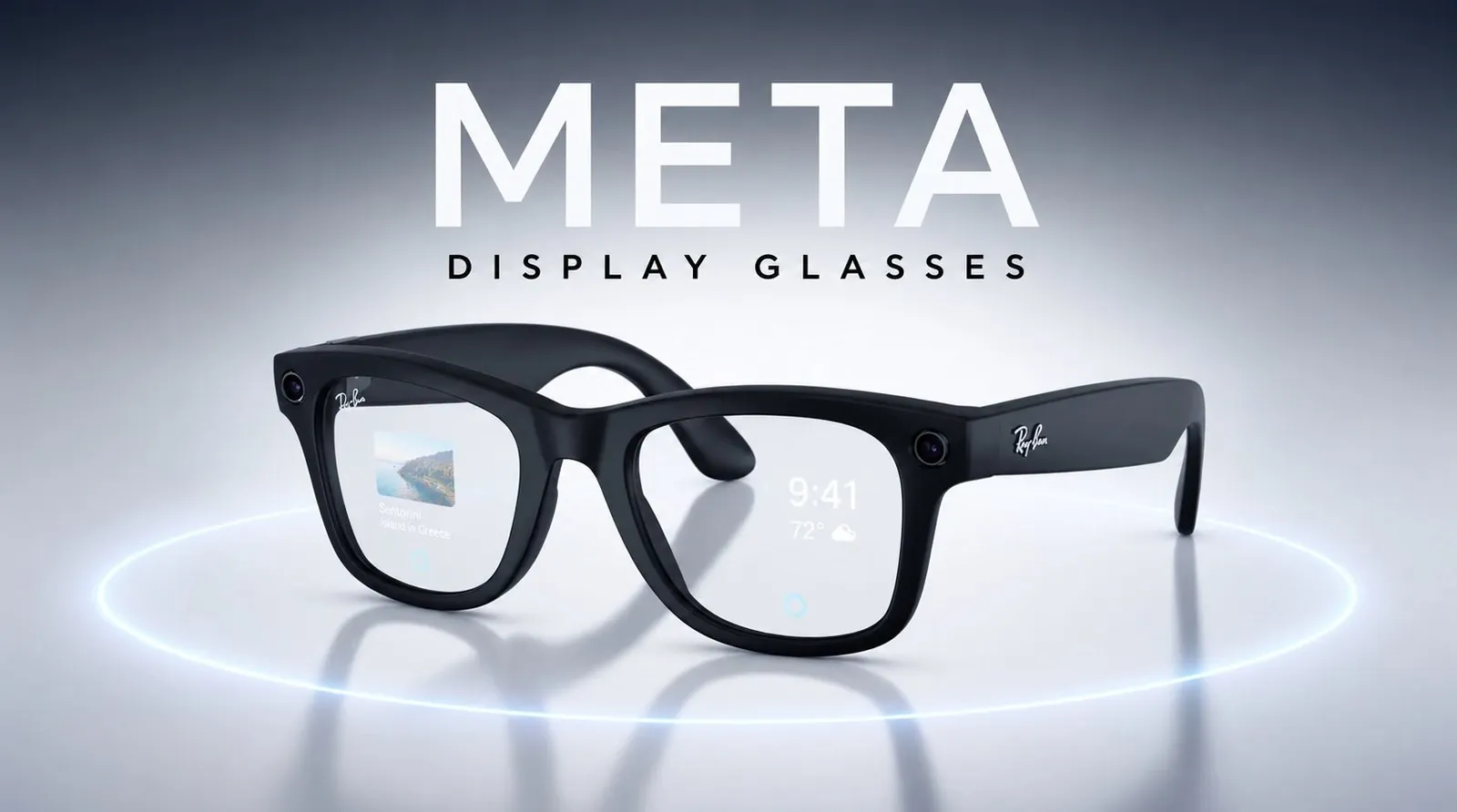
Jasmine Uniza revisits her impressions of the $800 Meta Ray-Ban display glasses, highlighting how a May 2026 software update has shifted their appeal. Initially, the glasses’ high price and limited functionality raised concerns, but new features like customizable AR widgets and Instagram Reels integration have expanded their potential uses. However, she points out that challenges such as their 69-gram weight, short battery life and limited prescription lens options continue to affect their practicality.
Explore the specific updates that have improved the glasses’ functionality, including AR navigation and web app access for developers. Compare these enhancements to the simpler Ray-Ban Meta Gen 2 glasses, which prioritize comfort over advanced features. Gain insight into the trade-offs between these models to determine how their capabilities align with their cost.
Key Differences in Design and Features
TL;DR Key Takeaways :
- The Meta Ray-Ban display glasses received a major software update in May 2026, introducing advanced AR features like Instagram Reels integration, customizable widgets and screen recording, making them appealing to tech enthusiasts.
- Key differences between the two models include the display glasses’ immersive right-eye AR projection and neural band for hands-free interaction, while the Gen 2 glasses focus on audio-based simplicity and practicality.
- The display glasses weigh 69 grams and have a battery life of 3-6 hours, making them less comfortable and practical compared to the lighter, all-day battery Gen 2 glasses.
- Prescription lens customization for the display glasses is costly and limited to U.S. availability, whereas the Gen 2 glasses offer more accessible and affordable lens replacement options.
- The Meta Ray-Ban display glasses are priced at $800, significantly higher than the $329 Gen 2 glasses, emphasizing the trade-off between innovative AR features and everyday practicality.
While both models share a sleek, everyday eyewear design, their core functionalities differ significantly:
- The Meta Ray-Ban display glasses include a right-eye display that projects visual information directly into your field of view, offering a more immersive experience.
- The Ray-Ban Meta Gen 2 glasses rely on audio-based outputs for navigation and notifications, focusing on simplicity and ease of use.
- The display glasses feature a neural band for hands-free interaction, a capability absent in the Gen 2 model.
These distinctions emphasize the display glasses’ focus on AR innovation, while the Gen 2 glasses cater to users seeking a straightforward, practical wearable.
Software Evolution: Expanding Capabilities
The initial release of the Meta Ray-Ban display glasses was met with criticism due to their limited software functionality. However, the May 2026 update introduced several enhancements that have significantly broadened their appeal:
- Integration with Instagram Reels, allowing seamless social media sharing directly from the glasses.
- Customizable widgets that allow users to access personalized information at a glance.
- Screen recording features for capturing and sharing AR experiences.
- A developer mode providing access to web apps, appealing to tech enthusiasts and developers.
These updates have transformed the display glasses into a versatile tool for AR experimentation and app development, making them particularly attractive to early adopters and technology enthusiasts.

Take a look at other insightful guides from our broad collection that might capture your interest in Meta Ray-Ban glasses.
- Meta Ray-Ban Display Dual-Screen Smart Glasses Set to Launch in 2026
- How Meta’s Ray-Ban Display Redefines Augmented Reality Wearables
- Meta Ray-Ban Display Gen 2: Moving to Dual-Lens Micro-Displays?
- Living with Meta Ray-Ban Displays Smart Glasses : 6 Month Review
- Meta Display AI Glasses Week Review : The Most Futuristic & Frustrating Wearable Yet!
- Meta’s Ray-Ban Gen 3 Smart Glasses to Feature Screenless Design
- What Meta Isn’t Telling You About Its $800 Ray-Ban Display Glasses
Performance and Comfort: Balancing Innovation and Usability
Despite their advanced features, the Meta Ray-Ban display glasses come with notable trade-offs:
- Weighing 69 grams, they are significantly heavier than the 48-gram Ray-Ban Meta Gen 2 glasses, which may lead to discomfort during prolonged use.
- The display glasses offer a battery life of 3 to 6 hours, falling short of the Gen 2 model’s all-day performance.
These limitations make the display glasses less suitable for users who prioritize comfort and convenience in their daily wearables, highlighting the importance of considering practical factors alongside technological advancements.
Augmented Reality: Unlocking New Possibilities
The Meta Ray-Ban display glasses excel in their AR capabilities, offering features that provide a glimpse into the future of wearable technology:
- Visual navigation that enhances wayfinding with real-time overlays.
- AR tools like grocery lists and reminders, seamlessly integrated into your field of view.
- AR-enhanced video playback for immersive media experiences.
In contrast, the Ray-Ban Meta Gen 2 glasses focus on audio-based navigation and translation, delivering a more practical but less immersive experience. For users intrigued by the potential of AR, the display glasses offer a more advanced platform for exploration and innovation.
Prescription Lens Accessibility
For users requiring prescription lenses, the Meta Ray-Ban display glasses present additional challenges:
- Customization is expensive and must be arranged through Meta’s official channels, limiting accessibility for many users.
- The glasses are currently available only in the U.S. and require an in-person appointment for purchase, further restricting their availability.
In comparison, the Ray-Ban Meta Gen 2 glasses allow for easier and more affordable lens replacement, making them a more practical option for users with prescription needs.
Price Comparison: Balancing Cost and Features
The price difference between the two models is substantial:
- The Meta Ray-Ban display glasses are priced at $800, significantly higher than the $329 Ray-Ban Meta Gen 2 glasses.
This stark contrast underscores the importance of evaluating your priorities. While the display glasses offer advanced AR features, their higher cost may not justify the investment for users seeking a more practical, everyday wearable.
Choosing the Right Model for Your Needs
The decision between the Meta Ray-Ban display glasses and the Ray-Ban Meta Gen 2 glasses ultimately depends on your priorities. If you value practicality, affordability and comfort, the Gen 2 glasses are the better choice. Their lightweight design, extended battery life and straightforward functionality make them ideal for everyday use. On the other hand, if you are an early adopter or a developer eager to explore the possibilities of augmented reality, the Meta Ray-Ban display glasses offer a more advanced and experimental platform.
By weighing the trade-offs between innovation and usability, you can determine which model aligns best with your lifestyle and technological interests.
Media Credit: Jasmine Uniza
Disclosure: Some of our articles include affiliate links. If you buy something through one of these links, Geeky Gadgets may earn an affiliate commission. Learn about our Disclosure Policy.
