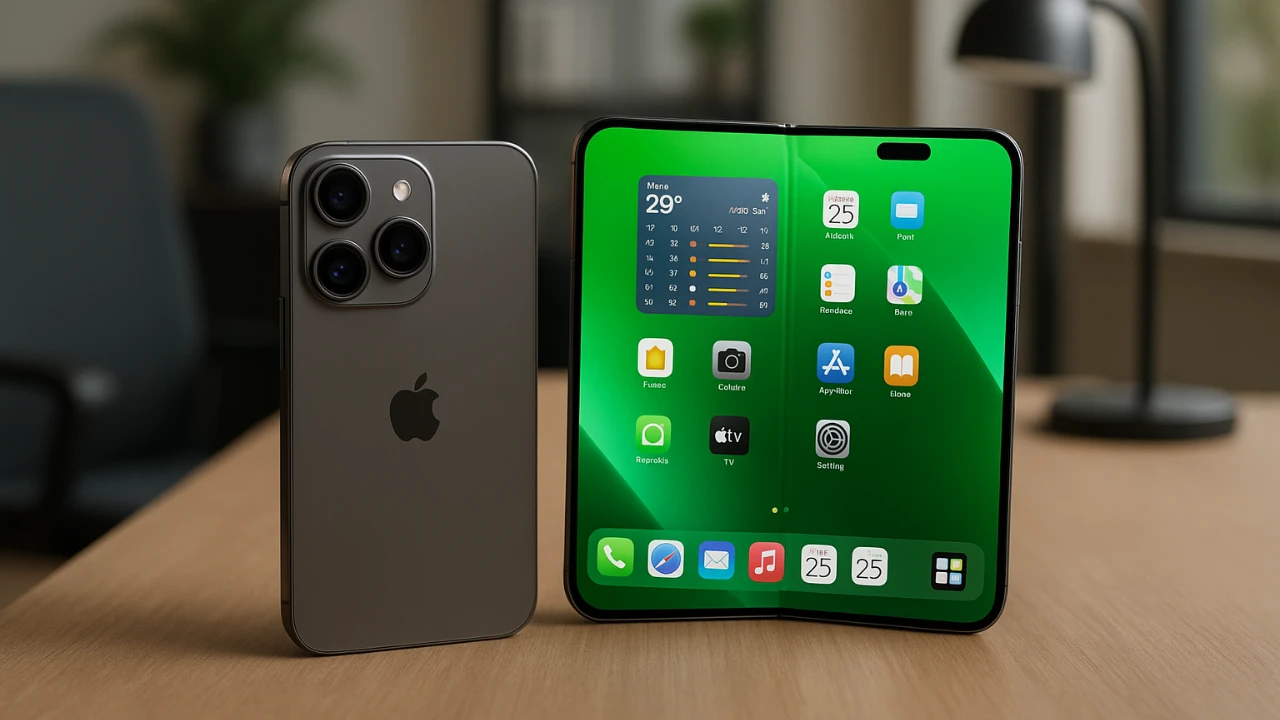
Apple is preparing to make a significant impact on the foldable smartphone market with its highly anticipated first foldable iPhone, potentially named the “iPhone Ultra.” Expected to debut in 2026, this device is designed to merge the functionality of smartphones and tablets, offering a premium experience that pushes the boundaries of mobile innovation. With a focus on innovative design, enhanced durability, and seamless software integration, Apple aims to position this product as a flagship addition to its ecosystem, catering to users seeking both versatility and luxury. The video below from 9to5Mac gives us more details about the rumored iPhone Ultra.

Innovative Design: A Seamless Blend of Phone and Tablet
The foldable iPhone is expected to feature a book-style design, incorporating a 7-inch inner display—comparable to the size of an iPad Mini—and a 5.5-inch external display for convenient one-handed use. This dual-display configuration allows the device to transition effortlessly between a compact smartphone and a larger tablet, making it ideal for both productivity and entertainment.
Constructed with lightweight titanium, the device promises enhanced durability while maintaining a sleek and portable form factor. Its advanced hinge mechanism is engineered to minimize visible creases, making sure a polished and refined appearance. This innovative design not only enhances the device’s aesthetic appeal but also addresses common durability concerns associated with foldable devices, such as hinge wear and screen fragility.
Advanced Display Technology for Superior Visuals
At the heart of the foldable iPhone is its hybrid OLED display, reinforced with ultra-thin glass (UTG). This combination is designed to overcome one of the most significant challenges in foldable devices: achieving durability without compromising visual quality. The hybrid OLED technology delivers vivid colors and sharp image clarity, while the UTG layer enhances resistance to wear and tear caused by repeated folding.
Apple is also prioritizing dust resistance, a critical feature for foldable devices that often face vulnerabilities in their hinge mechanisms. By addressing this issue, Apple aims to extend the device’s lifespan and reliability, setting a new benchmark for durability in the foldable smartphone market. This focus on resilience ensures that the foldable iPhone will meet the high expectations of its users.
Optimized Software: iOS 27 Tailored for Foldable Devices
The foldable iPhone will run on iOS 27, a version specifically optimized to use the unique capabilities of foldable technology. This software will introduce features such as split view, floating windows, and dynamic resizing, allowing users to multitask seamlessly. Whether you’re managing emails, editing documents, or streaming videos, the software is designed to provide a smooth and intuitive experience.
Switching between the external and internal displays will be effortless, thanks to Apple’s emphasis on continuity. For example, you can begin a task on the smaller external screen and transition to the larger internal display without any disruption. This level of integration underscores Apple’s commitment to delivering a cohesive user experience, making sure that the foldable iPhone feels natural and intuitive to use.
Pro-Level Camera System for Versatile Photography
The foldable iPhone is expected to feature a pro-level rear camera system, comparable to the advanced cameras found in Apple’s high-end iPhones. Whether the device is folded or unfolded, users will be able to capture stunning photos and videos with ease. The camera system is designed to cater to a wide range of users, from casual photographers to professionals, offering versatility and performance.
Key features are likely to include enhanced low-light performance, advanced computational photography, and support for professional-grade video recording. These capabilities will ensure that the foldable iPhone maintains Apple’s reputation for delivering industry-leading camera technology, making it a compelling choice for photography enthusiasts.
Battery Life and Structural Durability
Battery performance is a critical consideration for foldable devices, and Apple is reportedly addressing this challenge with a focus on power efficiency. The foldable iPhone will aim to balance the demands of its dual-display setup with reliable battery life, making sure that users can enjoy extended usage without frequent recharging. Despite its advanced features, the device is expected to maintain a slim and lightweight profile.
The hinge mechanism, a crucial component of any foldable device, is being designed to withstand extensive fold cycles. By prioritizing structural integrity and durability, Apple is working to ensure that the foldable iPhone meets the rigorous demands of everyday use, providing a product that users can rely on for years to come.
Positioning and Pricing: A Premium Offering
Apple is positioning the foldable iPhone as a luxury device, sitting above its Pro Max models in the product lineup. With an estimated starting price of $2,400, the foldable iPhone is significantly more expensive than competitors like the Samsung Galaxy Z Fold and Google Pixel Fold. However, this premium pricing reflects the device’s advanced technology, superior design, and seamless integration into the Apple ecosystem.
Rather than replacing existing iPhones or iPads, the foldable iPhone is designed to complement them. It targets a niche audience of early adopters and high-end consumers who value the convenience of combining multiple devices into one. By offering a unique blend of functionality and luxury, Apple aims to solidify its position as a leader in the foldable smartphone market.
Overcoming Challenges to Define the Future
Despite its potential, the foldable iPhone faces several challenges. Durability remains a key concern, particularly regarding the hinge mechanism and the device’s ability to withstand repeated folding. Balancing the device’s thinness with battery capacity and overall performance will also be critical to its success.
The high price point may limit its accessibility, positioning the foldable iPhone as a luxury product rather than a mainstream option. To ensure the device meets the expectations of its target audience, Apple will need to address these challenges while maintaining its commitment to quality and innovation.
A Bold Vision for Mobile Technology
Apple’s foldable iPhone represents a significant step forward in mobile technology, combining innovative design, advanced display technology, and optimized software to deliver a premium user experience. By addressing durability concerns and emphasizing seamless integration, Apple is setting a new standard for foldable devices.
While challenges remain, the foldable iPhone is poised to become a defining product in Apple’s lineup. It offers a glimpse into the future of mobile technology, showcasing how foldable devices can enhance productivity, creativity, and everyday convenience. As Apple continues to refine its approach, the foldable iPhone could pave the way for a new era of innovation in the smartphone industry.
Find more information on the Foldable iPhone by browsing our extensive range of articles, guides, and tutorials.
- Everything We Know About Apple’s Foldable iPhone
- Apple’s Folding iPhone 17 Flip: First Look at Leaked Design
- Apple’s Foldable iPhone: Release Date, Features, and More
- iPhone Fold: Dual Displays, Liquid Metal Hinge & More
- iPhone Fold: Features, Design, and Why It’s Worth the Wait
Source & Image Credit: 9to5Mac
Disclosure: Some of our articles include affiliate links. If you buy something through one of these links, Geeky Gadgets may earn an affiliate commission. Learn about our Disclosure Policy.
