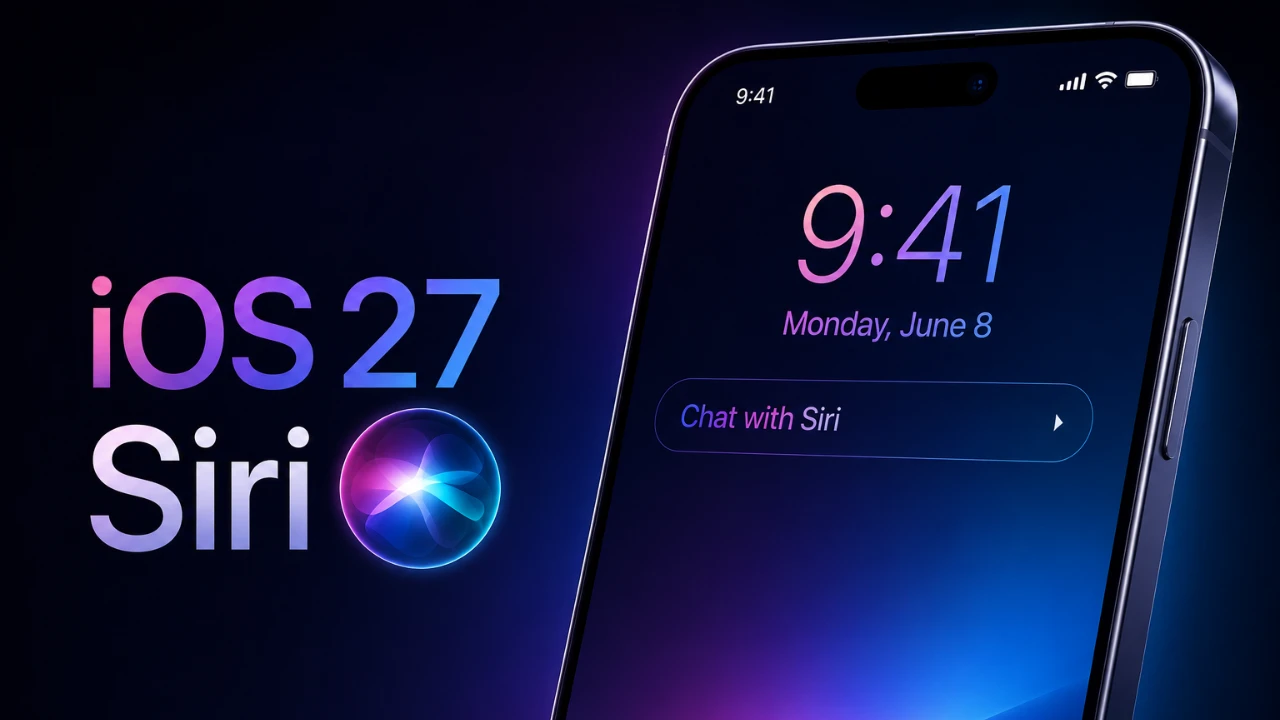
Apple has unveiled some of its AI-driven features coming in iOS 27, emphasizing a user-first approach to artificial intelligence. By focusing on empowerment, independence, and privacy, Apple demonstrates how AI can seamlessly enhance everyday technology. These updates are not about flashy or experimental innovations but about embedding AI into tools that genuinely improve usability and accessibility for all users. The video below from 9 to 5 Mac gives us more details on what Apple has planned.

Accessibility First: AI as a Tool for Empowerment
Apple’s latest updates underscore the fantastic potential of AI to address the needs of individuals with disabilities. These features are designed to empower users by making technology more inclusive and accessible:
- AI-Generated Subtitles: Real-time transcription for personal and shared media ensures that users who are deaf or hard of hearing can engage with content effortlessly. This feature supports live conversations, video calls and streaming content, bridging communication gaps.
- Enhanced VoiceOver: Apple’s screen reader now uses AI to provide better contextual understanding. It can read documents more effectively, describe images in detail and even interpret complex layouts. This enables visually impaired users to navigate digital content with greater independence and confidence.
- Upgraded Magnifier App: Advanced contrast adjustment tools allow users with low vision to customize their viewing experience. By improving text and image legibility, this feature ensures that users can interact with content in a way that suits their specific needs.
By integrating these features directly into its ecosystem, Apple reinforces its commitment to accessibility as a fundamental design principle, making sure that technology serves everyone equally.
Natural Language Interaction: Simplifying Everyday Tasks
Apple’s AI advancements extend beyond accessibility, redefining how users interact with their devices. Voice-controlled navigation now supports natural language commands, allowing you to perform tasks without memorizing specific phrases. For example, you can ask your device to “show photos from last weekend,” “open my latest email,” or “turn on the living room lights,” making interactions more intuitive and efficient.
Additionally, context-aware actions anticipate your needs based on your habits and preferences. Whether it’s suggesting frequently used apps during your morning routine, adjusting settings when you arrive at work, or recommending playlists during workouts, Apple’s AI works quietly in the background to simplify your daily life. These enhancements demonstrate how AI can make technology more responsive and personalized without requiring constant user input.
Vision Pro: Redefining Independence Through Innovation
The Vision Pro headset introduces advanced accessibility features that redefine how individuals with limited mobility interact with technology. One of the standout innovations is its eye-tracking technology, which allows users to control devices using only their gaze and blinks. This feature is particularly beneficial for individuals with physical disabilities, offering them a new level of independence.
For wheelchair users, Vision Pro extends its capabilities to eye-controlled navigation, allowing seamless interaction with digital environments. By using the headset’s advanced sensors and AI capabilities, Apple provides tools that break down barriers and empower users to engage with technology in ways that were previously unimaginable. These advancements highlight Apple’s dedication to inclusive design and its commitment to creating technology that serves diverse needs.
Privacy-Centric AI: Security Without Compromise
In an era where data privacy is a growing concern, Apple’s approach to AI stands out for its emphasis on security. All AI processing in iOS 27 occurs on-device, making sure that sensitive user data remains private and is not shared with external servers. This privacy-centric design aligns with Apple’s broader commitment to protecting user information.
By embedding AI directly into its operating systems, Apple eliminates the need for cloud-based processing, enhancing both privacy and performance. Tasks such as voice recognition, image processing and context-aware actions are executed locally, resulting in faster, more reliable functionality. This approach not only safeguards user data but also ensures that AI features remain responsive and dependable.
Purpose-Driven AI: A Strategic Approach
Apple’s integration of AI technologies reflects a deliberate focus on practical and impactful use cases. Unlike competitors who often emphasize experimental or standalone AI applications, Apple embeds AI into tools that users already rely on. This approach avoids the hype surrounding attention-grabbing innovations like chatbots, instead prioritizing features that genuinely enhance user experiences.
By integrating AI into its ecosystem, Apple ensures that the technology complements existing functionalities rather than overwhelming users with unnecessary complexity. This strategy highlights Apple’s commitment to meaningful innovation, where the goal is not to showcase AI’s potential but to use it to make everyday life better. The emphasis on usability and practicality sets Apple apart as a leader in thoughtful and user-centric design.
A Model for Responsible AI Integration
Apple’s AI-driven features in iOS 27 establish a benchmark for responsible and thoughtful integration of artificial intelligence. By focusing on accessibility, natural language interaction, and privacy, Apple demonstrates how AI can empower users without compromising security or usability.
Through deliberate and user-focused innovation, Apple provides a model for how technology companies can integrate AI meaningfully. These advancements are not about following trends but about creating tools that enhance lives in practical and impactful ways. By embedding AI into its ecosystem with a focus on inclusivity and privacy, Apple reaffirms its position as a leader in responsible and purposeful design.
Expand your understanding of iOS 27 with additional resources from our extensive library of articles.
- iOS 27: Big Changes Coming to YOUR iPhone
- iOS 27 Leaks Reveal the End of an Era: Apple’s New Priorities Confirmed
- Liquid Glass 2.0: Apple’s Massive iOS 27 Redesign Revealed
- iOS 27 Could Be Apple’s ‘Snow Leopard’ Moment, Focusing on One Huge Change
- The iOS 27 Compatibility Shock: Every iPhone That Will (and Won’t) Get the 2026 Update
Source & Image Credit: 9to5Mac
Disclosure: Some of our articles include affiliate links. If you buy something through one of these links, Geeky Gadgets may earn an affiliate commission. Learn about our Disclosure Policy.
