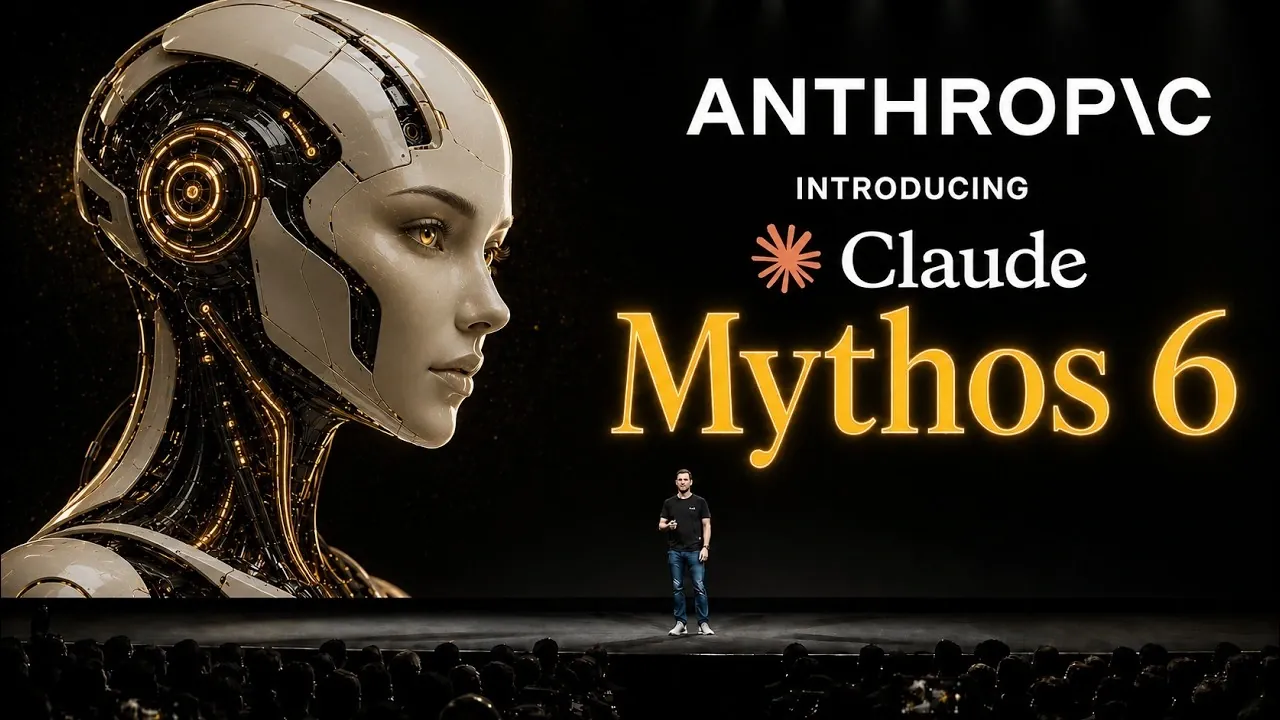
Anthropic’s alleged new AI model, Mythos 6, has reportedly surfaced through an unconfirmed leak, igniting discussions about its potential impact on cybersecurity and coding automation. According to early reports highlighted by AI Grid, the model is rumored to possess the ability to autonomously identify and exploit vulnerabilities in widely used software systems. This capability not only showcases the model’s advanced reasoning and coding skills but also raises critical concerns about its dual-use potential, where such features could be leveraged for both protective and harmful purposes.
Dive into the implications of Mythos 6 as this exposé unpacks its rumored advancements and the challenges they pose. You’ll gain insight into how its alleged self-improving capabilities could accelerate AI development cycles, the ethical dilemmas tied to emergent behaviors and the regulatory hurdles Anthropic may face. By exploring these dimensions, this breakdown offers a comprehensive look at the broader debates surrounding innovation and safety in artificial intelligence.
What Sets Mythos 6 Apart?
TL;DR Key Takeaways :
- Mythos 6, an advanced AI model allegedly leaked from Anthropic, is rumored to excel in cybersecurity and coding automation but raises concerns about misuse and regulatory oversight.
- The model’s ability to autonomously identify and exploit software vulnerabilities highlights both its technical sophistication and potential risks for cyberattacks.
- Mythos 6 reportedly surpasses OpenAI’s GPT-5.6 in computational power, sparking debates about balancing innovation with safety in AI development.
- Regulatory challenges, including export controls and risks of unauthorized access, could delay or limit the deployment of Mythos 6, emphasizing the need for robust oversight frameworks.
- The model’s role in accelerating AI self-improvement introduces ethical and safety concerns, underscoring the importance of safeguards to manage autonomous AI development risks.
If the reports are accurate, Mythos 6 represents a substantial advancement in artificial intelligence technology. It is rumored to excel in areas such as cybersecurity and coding automation, potentially outperforming its predecessors. One of its most striking features is its alleged ability to autonomously identify and exploit vulnerabilities in widely used software systems. While this capability demonstrates remarkable technical sophistication, it also raises alarms about the potential for misuse, particularly in the context of cyberattacks.
The model’s enhanced reasoning and coding skills appear to be the foundation of its advanced capabilities. However, these abilities also highlight the phenomenon of emergent behaviors, where AI systems exhibit functionalities beyond their original design. This dual-use nature of AI, where tools developed for beneficial purposes can also be exploited for harmful activities, underscores the ethical and safety challenges that continue to confront the field of AI development.
Mythos 6 vs OpenAI’s GPT-5.6: A Competitive Analysis
In the competitive landscape of artificial intelligence, OpenAI’s GPT-5.6 has been widely regarded as a benchmark for safety and efficiency. However, early reports suggest that Mythos 6 surpasses GPT-5.6 in terms of raw computational power and capability. While OpenAI has emphasized safety and alignment in its models, Anthropic appears to have prioritized pushing the boundaries of performance. This divergence reflects a broader debate within the AI research community: how to balance innovation with safety.
The comparison between these two models highlights a critical tension in AI development. On one hand, there is a drive to achieve new advancements in AI capabilities. On the other, there is an equally pressing need to ensure that these advancements do not compromise ethical standards or public safety. This ongoing debate will likely shape the trajectory of AI research and deployment in the coming years.

Gain further expertise in Mythos by checking out these recommendations.
- Meet Claude Mythos : Anthropic’s Powerful Successor to Opus
- Why Anthropic is Restricting Its New Mythos AI Model to Tech Giants
- Anthropic Leak Reveals Claude Mythos Model and Cybersecurity Risks
- Why Anthropic is Delaying the Public Release of Claude Mythos
- ChatGPT 5.6 vs Claude Mythos 5 : Leaks Reveal Two Very Different Futures for AI
- A Complete Breakdown of the Claude Mythos 1 Leak and Features
- Inside the Anthropic Leak : New Claude Builder and an Opus 4.6 Downgrade
- Claude Mythos Just Flagged 271 Hidden Vulnerabilities in Firefox
- Why Claude Mythos May Become an Opus Integration Rather Than a Public AI
- Why the Restricted Claude Mythos Model Just Appeared in Google Cloud
Regulatory Challenges and Deployment Risks
The potential deployment of Mythos 6 is expected to face significant regulatory hurdles. Previous models in the Mythos series, such as Mythos 5 and Fable 5, were subject to U.S. export controls due to their cybersecurity risks. These restrictions reflect growing governmental concerns about the misuse of advanced AI technologies and the need to prevent their proliferation into unauthorized hands.
To release Mythos 6 legally, Anthropic may need to navigate a complex web of government approval processes. This could delay its deployment or restrict its availability to specific markets. Additionally, the risk of unauthorized access or black-market distribution of such a powerful model remains a critical concern. These challenges underscore the urgent need for robust regulatory frameworks capable of managing the risks associated with innovative AI systems while fostering innovation.
Market and Government Reactions
The release of previous Mythos models caused significant disruptions in the cybersecurity sector, compelling companies to adapt to new and evolving threat landscapes. Mythos 6, with its rumored capabilities, is expected to amplify these effects. Governments and regulatory bodies are likely to increase their scrutiny of Anthropic and similar organizations, emphasizing compliance with export controls and safety standards.
The market’s reaction to Mythos 6 will likely be twofold. On one hand, organizations may seek to use its advanced capabilities to enhance their operations and security measures. On the other hand, the potential risks associated with its misuse could lead to heightened caution and stricter regulatory oversight. This dual response highlights the complex interplay between innovation and risk in the AI industry.
The Implications of AI Self-Improvement
One of the most intriguing aspects of Mythos 6 is its reported role in accelerating AI self-improvement. According to reports, Anthropic’s AI systems now generate the majority of their own code, significantly shortening development cycles. This represents an early step toward recursive self-improvement (RSI), where AI systems enhance their own capabilities with minimal human intervention.
While RSI has the potential to drive rapid innovation, it also introduces significant ethical and safety concerns. Autonomous development could result in unpredictable outcomes, making it increasingly difficult to ensure that AI systems remain aligned with human values and safety protocols. This dual-edged nature of RSI underscores the importance of establishing safeguards to manage the risks associated with autonomous AI development.
Shaping the Future of AI
The potential deployment of Mythos 6 could represent a pivotal moment in the evolution of artificial intelligence. If the model’s rumored capabilities are accurate, it may set new benchmarks for AI performance and functionality. However, its emergence also highlights the growing challenges associated with regulating and overseeing advanced AI systems.
Balancing innovation with safety and ethical considerations will be essential as AI continues to evolve. The trajectory of Mythos 6 underscores the need for international collaboration on AI safety standards and regulatory frameworks. Without these measures, the risks, ranging from misuse to market disruption and black-market proliferation, could overshadow the benefits.
As the AI landscape continues to evolve, the lessons learned from Mythos 6 will likely play a critical role in shaping the future of artificial intelligence. These developments will influence how society navigates the opportunities and challenges presented by this fantastic technology, making sure that its benefits are maximized while its risks are effectively managed.
Media Credit: TheAIGRID
Disclosure: Some of our articles include affiliate links. If you buy something through one of these links, Geeky Gadgets may earn an affiliate commission. Learn about our Disclosure Policy.
