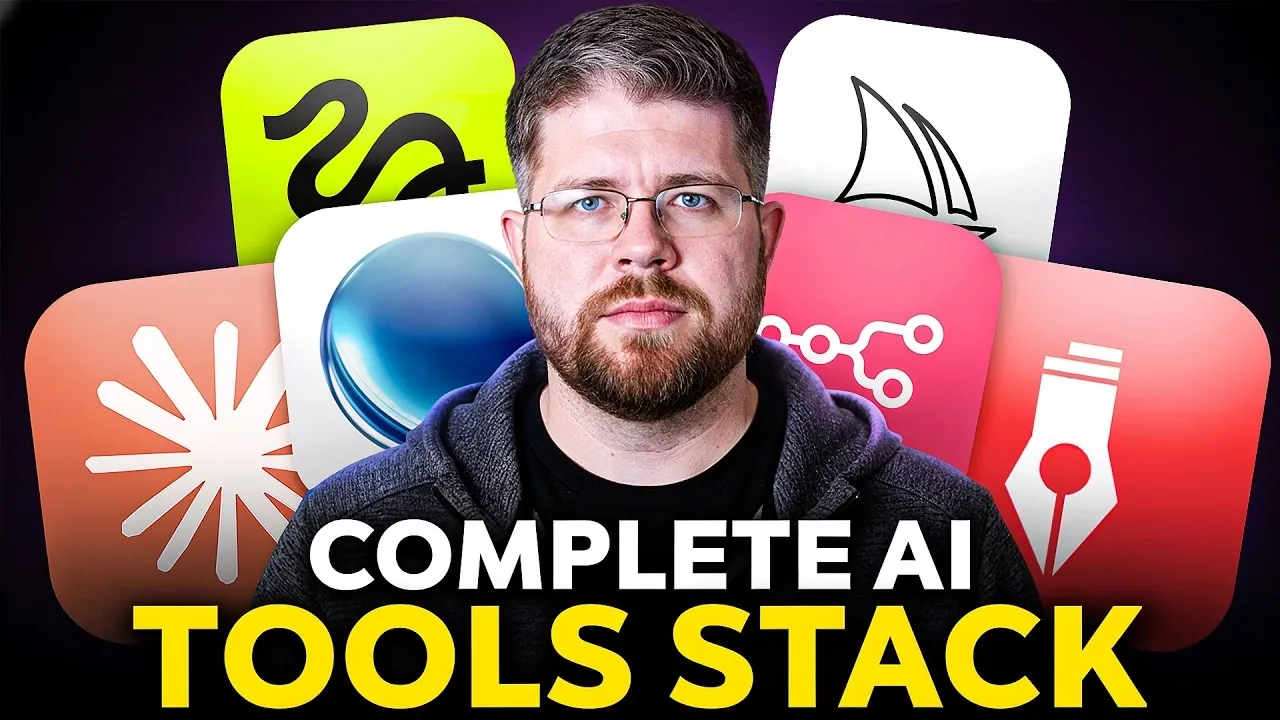
AI is reshaping the way fiction writers craft their stories by offering methods to enhance both creativity and productivity. The Nerdy Novelist emphasizes the value of designing an AI writing setup tailored to the needs of authors at any stage of their journey. For instance, Claude Pro can help generate plot ideas and streamline repetitive processes, allowing writers to dedicate more energy to refining their narratives while maintaining their personal voice.
Discover how to integrate automation platforms like N8N to manage research or administrative workflows efficiently. Learn how visual aids such as Midjourney can support character design and world-building through detailed concept art. Gain insight into using dictation for faster drafting and using editing programs like Autocrit to refine your manuscript with greater precision.
Essential Writing AI Tools
TL;DR Key Takeaways :
- AI tools like Claude Pro and N8N can streamline brainstorming, organization and automation, allowing authors to focus on storytelling while managing repetitive tasks efficiently.
- Visual storytelling tools such as Midjourney and Higsfield help authors create character art, concept visuals and promotional materials, enhancing the immersive quality of their fictional worlds.
- Dictation tools like Aqua Voice and Whisper Flow enable authors to capture ideas quickly and draft content efficiently, reducing physical strain and maintaining creative momentum.
- Editing tools like Autocrit provide data-driven feedback to refine manuscripts, making sure they meet professional standards and resonate with target audiences.
- Publishing tools such as Publisher Rocket, Atticus and professional cover design services simplify the release process, optimizing book visibility and marketability for successful launches.
A solid foundation for fiction writing begins with tools that support brainstorming, organization and automation. These tools are designed to keep you productive and focused on your creative process.
- Claude Pro: This AI chatbot acts as a versatile brainstorming partner, helping you generate ideas, resolve plot challenges and manage non-writing tasks. Its conversational interface ensures creative solutions without disrupting your unique writing style.
- N8N: A powerful automation tool, N8N streamlines workflows across various stages of writing, editing and marketing. For example, you can automate tasks such as organizing research materials, sending drafts to editors, or scheduling social media updates for book promotions.
By incorporating these tools, you can establish a streamlined workflow that allows you to focus on storytelling while staying organized and efficient.
Tools for Visual Storytelling
Visual elements play a crucial role in enriching your fiction writing. They help you conceptualize characters, settings and promotional materials, bringing your fictional world to life in vivid detail.
- Midjourney: This AI-powered image generator is perfect for creating character art, concept visuals and even preliminary book cover designs. High-quality visuals can inspire your storytelling and provide a clearer sense of your fictional universe.
- Higsfield: For more advanced visual needs, Higsfield offers AI video generation and enhanced image creation. Use it to experiment with book trailers or dynamic visuals that engage your audience and add depth to your promotional efforts.
Incorporating these tools into your process can help you captivate readers by presenting a fully realized and immersive fictional world.

Discover other guides from our vast content that could be of interest on AI tools.
- Google AI Tools Overview from Gemini to NotebookLM
- Software Company Valuations Fall as AI Replaces Specialized Tools
- 5 Time Saving Al Tools for Content Creators in 2026
- 6 Free Powerful AI Tools for Researchers in 2026
- CapCut AI Video Editor: Free Tools for Professional Video Creation
- Top AI Tools for Financial Analysts: Excel to Pitch Deck
- Best AI Tools Comparison, 14 Winners for Notes, Images & Video
- 10 Mind-Blowing Free AI Animation Tools You Need in 2024
- Beyond ChatGPT: 3 AI Tools That Will Blow Your Mind
- AI Concepts to Learn in 2026: LLMs, Agents, RAG, MCP & More
Dictation Tools for Speed and Efficiency
Writing a novel is a time-intensive endeavor, but dictation tools can help you capture ideas quickly and reduce the physical strain of typing. These tools are particularly useful for maintaining momentum during the creative process.
- Aqua Voice: This speech-to-text tool allows you to dictate your thoughts and seamlessly convert them into text. It’s especially helpful for capturing spontaneous ideas or drafting scenes while on the go.
- Whisper Flow: Similar to Aqua Voice, Whisper Flow offers reliable transcription, making sure that your spoken words are accurately transformed into text for further refinement.
By using dictation tools, you can ensure that no idea is lost, allowing you to write faster and more efficiently without sacrificing creativity.
Editing Tools to Refine Your Manuscript
Editing is a critical step in the writing process and AI tools can provide valuable insights to help you polish your manuscript. These tools ensure that your work meets professional standards while staying true to your voice.
- Autocrit: This editing tool offers data-driven feedback by comparing your manuscript to genre-specific benchmarks. It highlights areas for improvement, such as pacing, word choice and sentence structure, helping you refine your work to appeal to your target audience.
With tools like Autocrit, you can elevate your manuscript to a professional level, making sure it resonates with readers and meets industry expectations.
Publishing Tools for a Seamless Release
Once your manuscript is complete, publishing tools can help you prepare it for release and optimize its visibility in the market. These tools simplify the publishing process, allowing you to focus on connecting with your audience.
- Publisher Rocket: This tool simplifies Amazon keyword and category research, making sure your book is discoverable by the right audience. It provides insights into market trends and competition, helping you position your book effectively.
- Atticus: A user-friendly tool for converting your manuscript into professional-quality ebook and print files. Atticus makes the formatting process straightforward and efficient, saving you time and effort.
- Adobe Photoshop: For hands-on cover design, Photoshop allows you to fine-tune visuals and ensure your book cover meets industry standards.
- Mibble Art/Get Covers: If you prefer outsourcing, these professional services specialize in creating genre-optimized book covers that attract readers and enhance your book’s marketability.
These tools ensure a smooth publishing process, allowing you to focus on promoting your book and building a connection with your readers.
Why a Customizable AI Stack Matters
A customizable AI stack offers flexibility and precision, allowing you to tailor your workflow to your specific needs. While all-in-one AI writing tools like NovelCrafter or Sudowrite provide convenience, they often lack the customization required for a truly personalized approach. By selecting individual tools that align with your goals, you can create a streamlined process that enhances creativity without overwhelming you with unnecessary features.
Key Takeaways
The key to successfully integrating AI tools into your writing process lies in maintaining a minimal yet effective stack. Focus on tools that enhance your creativity and productivity while avoiding unnecessary complexity. By using these technologies, you can write faster, edit smarter and publish with confidence, all while staying true to your unique voice as an author. With the right AI writing stack, you can transform your ideas into bestselling fiction that resonates with readers worldwide.
Media Credit: The Nerdy Novelist
Disclosure: Some of our articles include affiliate links. If you buy something through one of these links, Geeky Gadgets may earn an affiliate commission. Learn about our Disclosure Policy.
