
GLM 5.2 has emerged as a high-performing open source AI model, frequently outperforming proprietary systems like Claude in tasks such as content generation and coding. Its ability to handle “center of distribution” tasks with precision, coupled with the flexibility of private deployment, makes it a compelling option for organizations seeking cost-effective AI solutions. Nate Jones highlights that despite these advantages, adoption remains limited due to the need for custom harness development and the dominance of proprietary ecosystems, which offer pre-built integrations that simplify deployment.
Dive into this breakdown to understand the key challenges preventing widespread adoption of GLM 5.2. You’ll explore how proprietary ecosystems maintain their grip on organizations, the technical hurdles of integrating open source models and the importance of aligning AI capabilities with specific operational needs. This guide also examines the strategic steps companies can take to overcome these barriers, offering insights into balancing the upfront investment with long-term benefits.
What Makes GLM 5.2 Unique?
TL;DR Key Takeaways :
- GLM 5.2 is a high-performing open source AI model that rivals proprietary systems like Claude, excelling in routine tasks such as content generation, coding and data synthesis while offering cost savings and private deployment options.
- Adoption of GLM 5.2 is hindered by integration complexities, the need for custom harness development and a lack of technical expertise compared to the ease of use provided by proprietary ecosystems.
- Proprietary AI providers maintain dominance through pre-built ecosystems that simplify workflows but create dependency, limiting organizations’ ability to transition to open source alternatives.
- GLM 5.2 struggles in niche or highly specialized tasks (“edge of distribution” scenarios), making it essential for organizations to assess their specific needs before adopting open source AI.
- Transitioning to open source AI like GLM 5.2 requires strategic planning, investment in technical talent and a focus on long-term benefits such as cost efficiency, operational control and reduced reliance on proprietary systems.
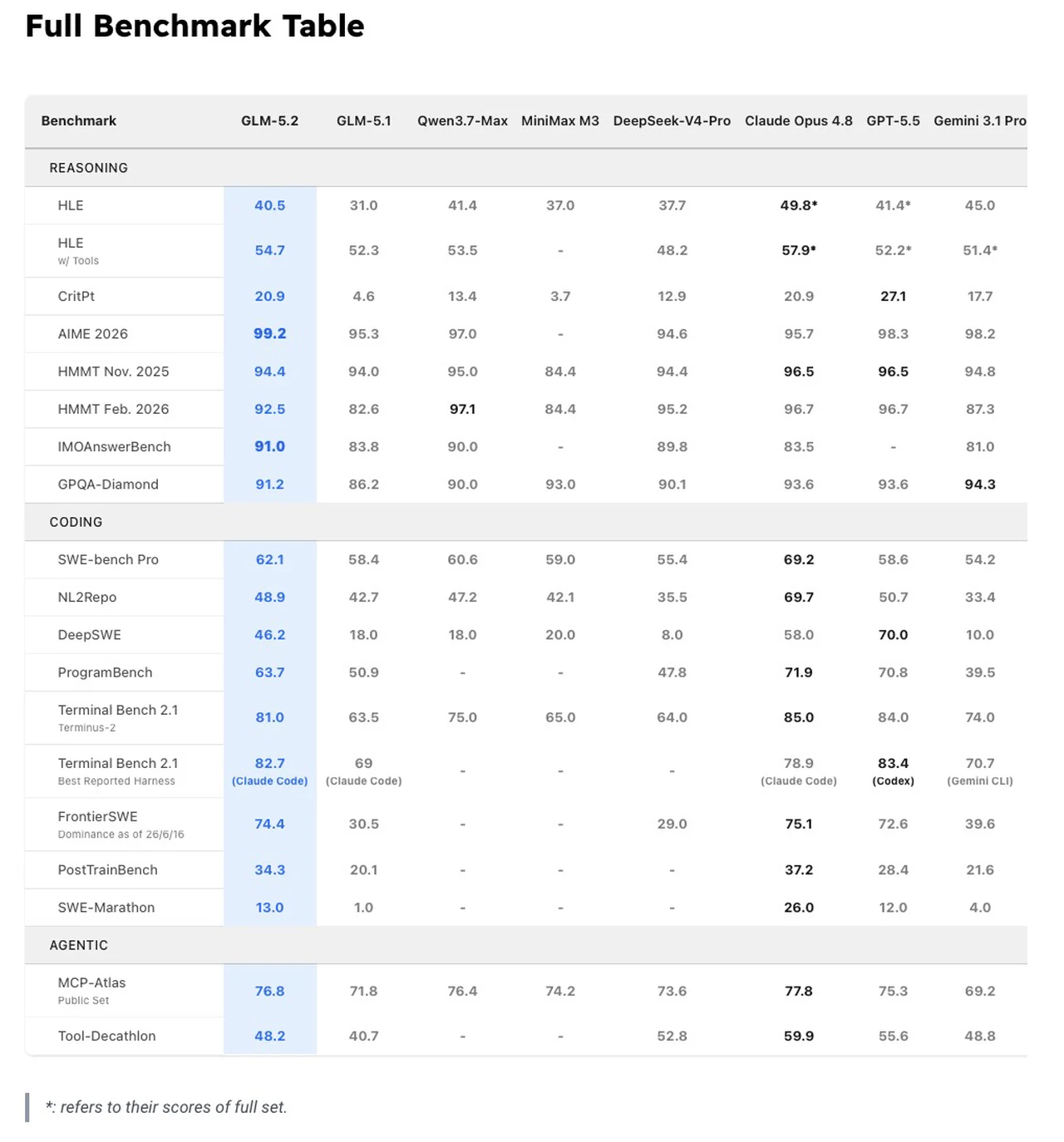
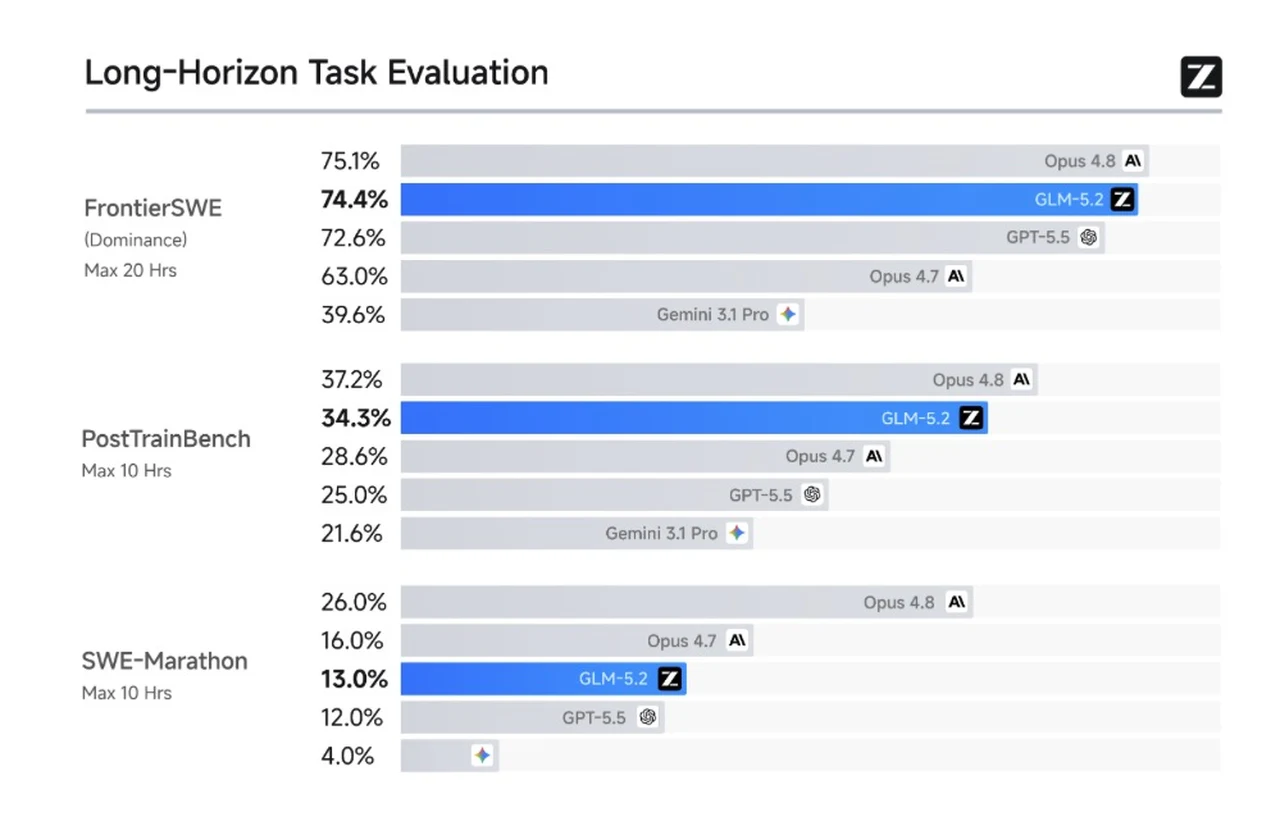
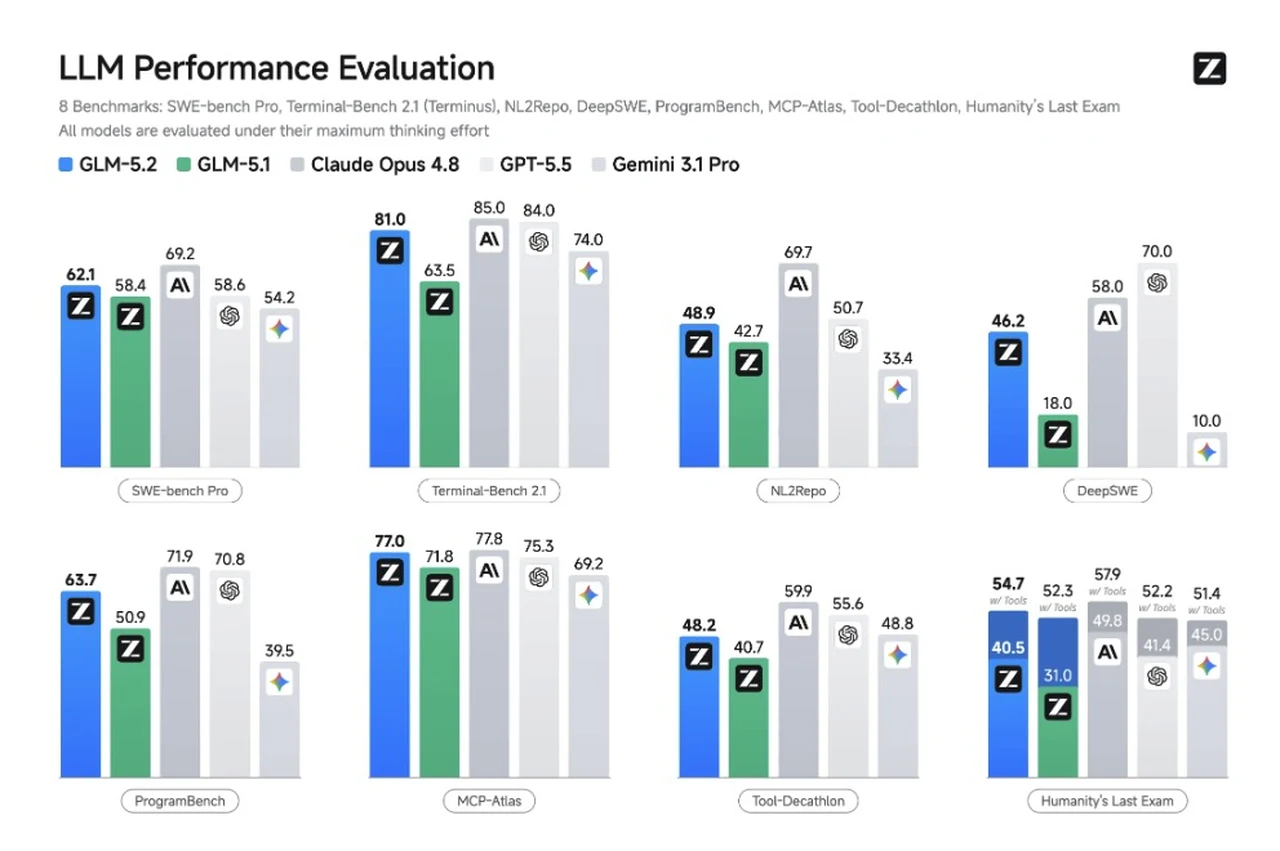
GLM 5.2 excels in performing “center of distribution” tasks, which include common and repetitive AI functions such as content generation, coding and data synthesis. Its open source nature allows organizations to host the model on private servers, eliminating the recurring subscription fees associated with proprietary platforms. In head-to-head comparisons, GLM 5.2 frequently outperforms Claude in standard tasks, making it an attractive option for organizations seeking cost-effective and high-performing solutions.
However, these advantages are not sufficient to drive widespread adoption. Companies face significant hurdles when attempting to integrate GLM 5.2 into their operations, which limits its appeal despite its technical strengths.
Challenges Hindering Adoption
Transitioning to GLM 5.2 is a complex process. Proprietary models like Claude and OpenAI’s GPT come with pre-built ecosystems that simplify essential operations such as task routing, memory management and system prompts. These ecosystems are designed for ease of use, requiring minimal technical expertise to deploy and maintain. In contrast, GLM 5.2 demands the development of custom “last-mile” systems, often referred to as harnesses, to integrate seamlessly into existing workflows. This additional layer of complexity discourages many organizations from making the switch.
Another critical challenge is determining whether GLM 5.2 aligns with a company’s specific needs. While it performs exceptionally well in routine tasks, it may struggle in “edge of distribution” scenarios—highly specialized or niche applications where proprietary models often excel. Without a thorough assessment of task requirements, organizations risk investing in a solution that may not fully meet their operational demands, further complicating the decision to adopt open source AI.

Here are more guides from our previous articles and guides related to GLM 5 that you may find helpful.
- What ChatGPT 5.6’S Delay Means for the Future of Open Source AI
- How Anthropic’s Claude Oceanus is Writing 80 Percent of Merged Code
- Why Anthropic is Delaying the Public Release of Claude Mythos
- Why Google’s TurboQuant Algorithm is Disrupting the AI Memory Chip Market
- Deepseek V4 : Why Its 1.6 Trillion Parameters Aren’t Quite Enough
- Anthropic Claude Mythos AI World’s Newest Obsession a 10-Trillion Parameter
- ChatGPT Finally Automates Your Daily Workflow While You Sleep
- Alibaba’s New Qwen 3.6 Max AI is Quietly Outperforming Claude 4.5 Opus
- Running Local Al Models on a Mac Studio 128GB : 4B, 20B & 120B Tested
- Claude Sonnet 4.5 vs GLM 4.6 : Detailed Comparison of AI Coding Models
The Importance of Harness Development and Technical Expertise
To fully use GLM 5.2, companies must develop custom harnesses tailored to their unique workflows. These harnesses are responsible for managing critical functions such as task routing, memory optimization and system-level prompting. However, building these systems requires advanced technical expertise, which is in short supply. The scarcity of skilled AI professionals presents a significant barrier to adoption, leaving many organizations dependent on proprietary solutions that offer ready-to-use functionality.
This reliance on proprietary models is not merely a matter of convenience. It reflects the broader challenge of finding and retaining the talent necessary to implement and maintain open source alternatives. Without access to the right expertise, organizations may find it difficult to justify the upfront investment required to transition to GLM 5.2.
How Proprietary Ecosystems Maintain Their Dominance
Proprietary AI providers like Anthropic and OpenAI have developed ecosystems designed to lock in users. For example, tools such as Anthropic’s Claude Tag integrate deeply into organizational workflows, capturing valuable context and making it challenging for companies to transition to alternative solutions. These ecosystems offer convenience and reliability, but they come at a cost. By relying on proprietary models, organizations effectively “rent” their operational context, relinquishing control over critical aspects of their AI infrastructure.
This dependency creates a cycle in which organizations are tied to proprietary providers, even as open source alternatives like GLM 5.2 offer greater cost efficiency and flexibility. Breaking free from this cycle requires a strategic approach and a willingness to invest in the necessary resources to adopt open source solutions.
Opportunities for Open source AI
Despite the challenges, open source models like GLM 5.2 are gaining traction in the AI landscape. They present a compelling alternative to proprietary systems, particularly as regulatory scrutiny slows innovation among major providers. The demand for expertise in building AI harnesses and task-routing systems is expected to grow, creating opportunities for organizations willing to invest in technical talent or form strategic partnerships.
Adopting open source AI also encourages organizations to rethink their long-term strategies. By transitioning to models like GLM 5.2, companies can achieve greater cost efficiency, maintain control over their AI systems and reduce their reliance on external providers. However, this shift requires navigating the complexities of integration and investing in the necessary infrastructure to support open source deployment.
Steps to Transition to Open source AI
For organizations considering a move to open source AI, a strategic approach is essential. The following steps can help guide the decision-making process:
- Analyze your organization’s task distribution to determine whether GLM 5.2 aligns with your operational needs or if proprietary models are better suited for specialized tasks.
- Evaluate the long-term implications of relying on proprietary ecosystems, including potential loss of control over your operational context and data.
- Invest in technical talent or establish partnerships with AI experts to develop the custom systems required for deploying open source models effectively.
- View the upfront effort as an investment in long-term cost savings, operational flexibility and greater control over your AI infrastructure.
Balancing Challenges and Opportunities
GLM 5.2 represents a significant advancement in open source AI, offering a viable alternative to proprietary models like Claude. However, its adoption depends on overcoming key barriers, including integration challenges and the scarcity of technical expertise. As the AI landscape continues to evolve, organizations must carefully weigh the trade-offs between the cost efficiency of open source solutions and the convenience of proprietary ecosystems. By making informed decisions and investing in the right resources, companies can position themselves to fully use the potential of open source AI innovation.
Media Credit: AI News & Strategy Daily | Nate B Jones
Disclosure: Some of our articles include affiliate links. If you buy something through one of these links, Geeky Gadgets may earn an affiliate commission. Learn about our Disclosure Policy.
