Artificial intelligence is changing how filmmakers approach their craft, combining real footage with AI-driven methods to enhance both visual and narrative elements. Dan Kieft examines how techniques like motion transfer and relighting allow creators to adjust movement and lighting with accuracy, often bypassing the need for costly equipment or time-intensive reshoots. For instance, motion transfer can map a dancer’s movements onto a digital character, blending live performance with AI-generated imagery in a way that expands creative options without sacrificing realism.
Discover how AI is being applied to practical filmmaking challenges and opportunities. Gain insight into omni editing for modifying environments, such as shifting weather or altering entire landscapes. Explore the use of character and voice transformation to craft personas that align with specific storylines. Finally, learn how AI-powered VFX can streamline intricate post-production tasks, from character morphing to integrating fantastical elements, all while achieving cinematic-quality results.
Motion Transfer: Bringing Characters to Life
TL;DR Key Takeaways :
- AI-driven motion transfer technology enables filmmakers to replicate movements from reference videos onto different characters, eliminating the need for costly motion capture equipment and enhancing animation authenticity.
- AI-powered relighting tools allow seamless manipulation of lighting conditions in existing footage, allowing filmmakers to transform scenes and evoke specific moods without reshooting.
- Omni editing provides creative control to modify environmental elements, such as weather or settings, using simple text prompts, reducing the need for elaborate sets or location changes.
- AI tools for character and voice transformation enable filmmakers to customize appearances and voices, creating unique personas that align with narrative requirements and enhance storytelling depth.
- AI-powered VFX tools streamline post-production by automating complex processes, allowing filmmakers to create ambitious visual effects and expand creative possibilities with precision and efficiency.
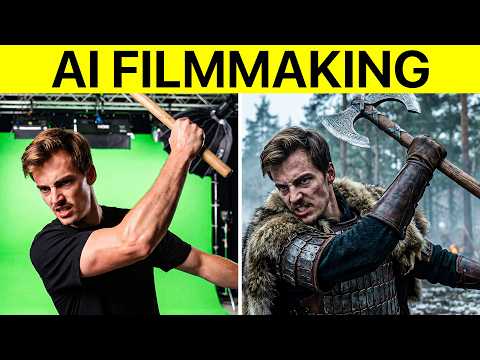
Motion transfer technology allows you to replicate movements from a reference video and apply them to a different character, whether real or AI-generated. This technique eliminates the need for expensive motion capture equipment, making it a cost-effective solution for creating lifelike animations. For example, you can record a professional dancer’s movements and seamlessly transfer them to a digital character, blending real-world motion with AI-driven design. This capability is particularly valuable for animators and directors seeking to craft expressive performances that feel authentic and engaging. By using motion transfer, you can bring characters to life in ways that were previously time-consuming or financially prohibitive.
Relighting Scenes: Shaping the Mood
Lighting plays a pivotal role in cinematic storytelling and AI has transformed how you can manipulate lighting conditions in existing footage. With AI-driven relighting tools, you can transform a daytime scene into a moody sunset or simulate dramatic moonlight without reshooting. These tools analyze the footage and apply new lighting environments seamlessly, preserving the natural look and feel of the scene. For instance, you can take a studio-shot video and give it the warm, golden hues of the golden hour, enhancing the emotional tone and visual appeal. This capability not only saves time and resources but also allows you to experiment with different lighting styles to evoke specific moods or atmospheres.
Check out more relevant guides from our extensive collection on AI filmmaking that you might find useful.
- Mastering Seedance 2 & Nano Banana 2 for Cinematic AI Short Films
- How to Create 1,000s of Realistic AI Videos
- Inside the Next Generation of AI Video Creation Apps
- AI Filmmaking Tools & Trends Shaping the Future of Cinema in 2025
- AI Filmmaking Guide 2024 : AI Tools Making Filmmaking Easy
- AI Filmmaking Workflow : Consistent Characters & Scenes to Final Edit
Omni Editing: Reimagining Environments
Omni editing provides unparalleled creative control by allowing you to modify environmental elements within a scene. With AI, you can alter weather conditions, add effects like fog or rain, or completely change the setting. Using simple text prompts, you can transform a sunny park into a snow-covered landscape or replace a rural backdrop with a futuristic cityscape. This flexibility opens up new storytelling possibilities, allowing you to craft immersive worlds that align with your creative vision. Additionally, omni editing reduces the need for elaborate sets or location changes, making it a practical tool for filmmakers working with tight budgets or schedules. By reimagining environments, you can create visually compelling scenes that captivate your audience.
Character and Voice Transformation: Building Unique Personas
AI tools offer the ability to modify a character’s appearance and voice, allowing you to create unique personas tailored to your narrative. You can adjust facial features, clothing, or even a character’s age to align with the story’s requirements. Voice transformation tools further enhance this by allowing you to tailor audio to match the character’s persona. For example, you could create a villain with a deep, menacing voice and a distinct visual identity, making sure the character leaves a lasting impression on the audience. These tools empower filmmakers to experiment with character design and development, adding depth and complexity to their stories.
AI Visual Effects (VFX): Expanding Creative Horizons
AI-powered VFX tools have transformed the way visual elements are added or altered within a scene. These tools allow you to manipulate objects, modify body parts, or create seamless transitions between frames with precision and efficiency. For instance, you could depict a character morphing into an animal or introduce fantastical elements like glowing energy fields. By automating complex processes, AI VFX tools streamline post-production workflows while maintaining professional-quality results. This technology not only saves time but also enables filmmakers to push the boundaries of their creativity, allowing the realization of ambitious visual concepts that were once considered impractical.
The Future of Filmmaking
AI is transforming filmmaking by simplifying complex processes and expanding creative boundaries. Techniques like motion transfer, relighting, omni editing, character and voice transformation and AI-powered VFX demonstrate how AI can enhance real footage to produce high-quality cinematic content. These tools not only make filmmaking more accessible but also empower creators to push the limits of their imagination. By embracing AI, you can unlock new possibilities in storytelling and redefine what’s achievable in video production. As these technologies continue to evolve, they promise to shape the future of filmmaking, offering endless opportunities for innovation and artistic expression.
Media Credit: Dan Kieft
Disclosure: Some of our articles include affiliate links. If you buy something through one of these links, Geeky Gadgets may earn an affiliate commission. Learn about our Disclosure Policy.
