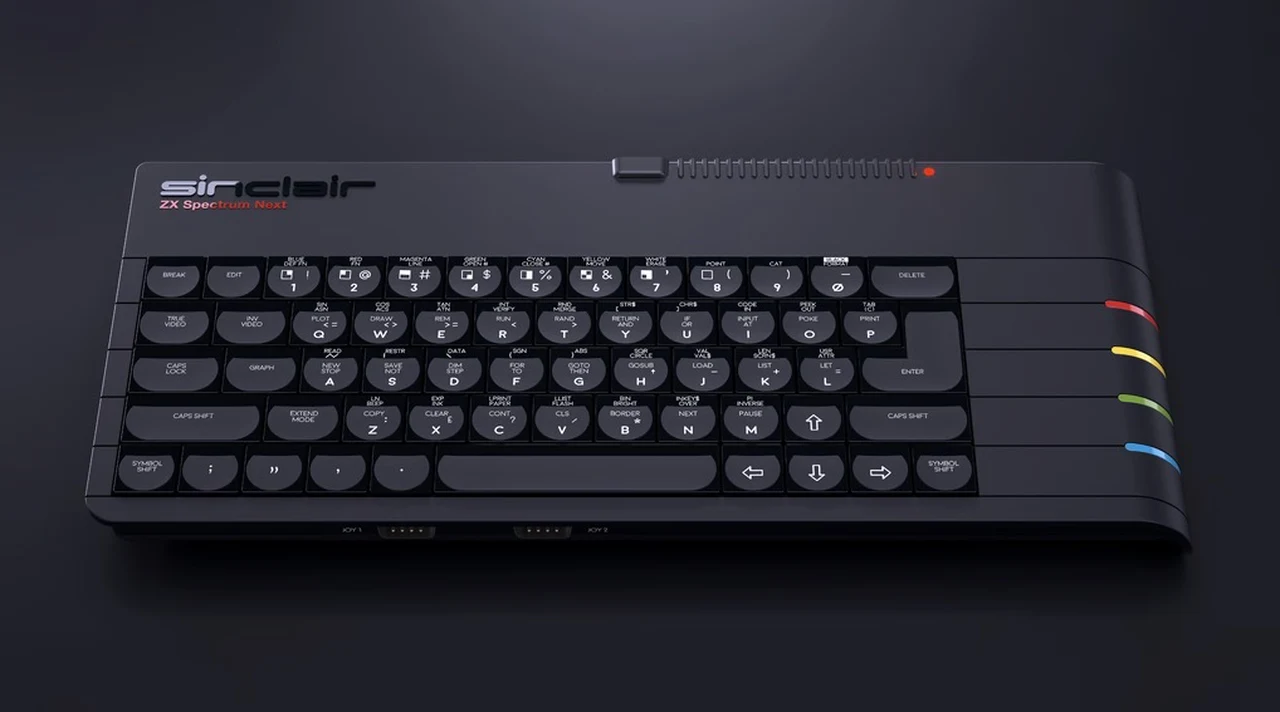
Do you ever find yourself longing for the simplicity and charm of retro computing, yet wishing it could keep up with today’s technology? For many, the ZX Spectrum holds a special place in their hearts—a symbol of creativity, gaming, and the early days of personal computing. But as much as we cherish those memories, the limitations of vintage hardware can make revisiting them feel like stepping back in time, for better or worse. Enter the ZX Spectrum Next Issue 3: a device that doesn’t just recreate the magic of the original but reimagines it for a modern audience. Whether you’re a nostalgic gamer, a budding developer, or someone curious about blending the old with the new, this might just be the perfect bridge between eras.
At first glance, the ZX Spectrum Next Issue 3 feels like a love letter to the past, but it’s so much more than that. It takes everything you adored about the original ZX Spectrum—its quirky charm, its iconic design, and its creative potential—and pairs it with the kind of power and flexibility that today’s tech-savvy users demand. With turbo processing speeds, modern connectivity options like HDMI and Wi-Fi, and compatibility with both classic and new software, this isn’t just a retro revival; it’s a reinvention. So, whether you’re here to relive the golden age of 8-bit gaming or to explore fresh creative horizons, the ZX Spectrum Next Issue 3 promises a journey worth taking. Let’s dive in and see what makes this fusion of nostalgia and innovation so remarkable.
ZX Spectrum Next Issue 3: A Fusion of Retro and Modern Computing
Early bird pricing are now available for the innovational project from roughly $360 or £300 (depending on current exchange rates), offering a considerable discount of approximately % off the retail pricing, while the Kickstarter crowd funding is under way.
Key Specifications :
- Powered by an Artix A7 FPGA with turbo processing speeds up to 28MHz and 2MB of RAM for enhanced performance.
- Modern connectivity options, including HDMI output and built-in Wi-Fi, along with dual SD card slots for ample storage.
- Fully compatible with the original ZX Spectrum library, while supporting exclusive new games and advanced development tools like NextBASIC, C, and Assembly.
- Supports multiple computing “personalities,” including Sinclair QL and Commodore 64 cores, for versatile retro computing experiences.
- Designed by original Sinclair designer Rick Dickinson, featuring a responsive keyboard, vintage peripheral support, and a detailed printed manual.
The ZX Spectrum Next Issue 3 seamlessly merges the charm of retro computing with the capabilities of modern technology, offering a platform that appeals to both vintage enthusiasts and contemporary creators. As the successor to the iconic ZX Spectrum, it redefines the potential of an 8-bit computer by integrating upgraded hardware, expanded software compatibility, and advanced tools for gaming and programming. Whether revisiting classic titles or developing new applications, this device strikes a balance between tradition and innovation.
If the ZX Spectrum Next 3 campaign successfully raises its required pledge goal and manufacturing progresses smoothly, worldwide shipping is expected to take place sometime around December 2025. To learn more about the ZX Spectrum Next 3 project survey the promotional video below.
At its core, the ZX Spectrum Next Issue 3 is powered by an FPGA (Field-Programmable Gate Array), specifically the Artix A7. This component emulates the original ZX Spectrum hardware while introducing significant enhancements. The system achieves turbo processing speeds of up to 28MHz, a substantial improvement over the original’s capabilities. Paired with 2MB of RAM, it delivers the performance required for running complex programs, multitasking, and supporting modern applications. This ensures a smooth and responsive experience, whether engaging with vintage software or experimenting with new creations.
Modern Connectivity and Storage
The ZX Spectrum Next Issue 3 incorporates modern connectivity and storage options, making it adaptable to contemporary setups. Key features include:
- HDMI output for crisp visuals on high-resolution displays.
- Built-in Wi-Fi for seamless networking, allowing file transfers, updates, and online collaboration.
- Dual SD card slots—one internal and one external—for ample storage of games, applications, and development projects.
These features enhance the device’s versatility, catering to both casual users and those with more demanding needs. The integration of modern technology ensures that the ZX Spectrum Next Issue 3 remains relevant in today’s computing landscape.
Gaming and Development
Gaming is a central aspect of the ZX Spectrum Next Issue 3’s appeal. It is fully compatible with the original ZX Spectrum library, allowing users to revisit classic titles with enhanced performance through turbo modes. Beyond nostalgia, the platform supports exclusive new games, such as *Saboteur Remastered* and *Lords of Midnight Next*, which take advantage of the upgraded hardware to deliver richer experiences.
For developers, the system provides a robust environment for creativity. Tools like NextBASIC, C, and Assembly enable the creation of games and applications, fostering innovation within the retro computing community. This combination of backward compatibility and forward-looking development tools makes the ZX Spectrum Next Issue 3 a versatile platform for both gamers and programmers.
Versatility and Design
The ZX Spectrum Next Issue 3 extends its functionality beyond gaming by supporting multiple computing “personalities.” Official cores for systems like the Sinclair QL and Commodore 64 allow users to switch between platforms effortlessly. These cores maintain compatibility with legacy software while introducing modern enhancements such as accelerated processing and expanded storage. This versatility broadens the device’s appeal, offering a comprehensive retro computing experience.
Designed by Rick Dickinson, the original Sinclair designer, the ZX Spectrum Next Issue 3 retains the aesthetic charm of its predecessor while incorporating practical improvements. Features such as a responsive keyboard, support for vintage peripherals, and a detailed printed manual make it both user-friendly and faithful to its roots. Additionally, the active community surrounding the platform provides resources, support, and collaboration opportunities, fostering an environment of learning and creativity.
The ZX Spectrum Next Issue 3 is more than a retro gaming console; it is a versatile computing platform that bridges the gap between past and present. By combining nostalgia with innovative technology, it celebrates the enduring legacy of the ZX Spectrum while expanding the possibilities of what a modernized 8-bit computer can achieve.
For a complete list of all available project pledges, stretch goals, extra media and technical overview for the ZX Spectrum Next 3, jump over to the official ZX Spectrum Next 3 crowd funding campaign page by checking out the link below.
Source : Kickstarter
Disclaimer: Participating in crowd funding campaigns such as those found on Kickstarter and Indiegogo, involves inherent risks. While many projects successfully meet their goals, others may fail to deliver due to numerous challenges. Always conduct thorough research and exercise caution when pledging your hard-earned money.
Disclosure: Some of our articles include affiliate links. If you buy something through one of these links, Geeky Gadgets may earn an affiliate commission. Learn about our Disclosure Policy.
