Artificial intelligence is no longer limited to chatbots, image generators, and coding assistants.
Audio is becoming an increasingly useful part of AI for people creating videos, podcasts, tutorials, and digital content.
Text-to-speech technology can turn written scripts into spoken audio, giving creators another way to produce narration without recording every line themselves. It is increasingly becoming a practical software option.
Where AI Voice Fits Into Content Creation
AI voice tools fit naturally between writing and editing. A creator can prepare a script, generate a voice track, review it, and bring the audio into video or podcast software. It suits tutorials, product explainers, educational videos, and short-form content.
It can also simplify revisions. When a script changes, creators do not necessarily need another recording session to replace a few lines.
What Makes AI-Generated Speech Useful?
Speed is a big drawcard, but flexibility can be even more important. If you want to try different styles, record supporting narration for a number of different pieces of content, or build audio as part of a project rather than recording it at the last minute, it can be an advantage.
A weekly technology channel could use text-to-speech for supporting narration about technology news, leaving its own voice to be used for reviews and commentary.
Tools such as ElevenLabs are part of this growing category of AI audio software, giving creators another option when they need to turn written material into speech.
Good Audio Still Requires Good Production
AI doesn’t eliminate the need for producers. Generation is only one part of the process, and the final product still needs pacing, pronunciation, music, effects, and volume levels.
Script quality matters, too. Clear wording and punctuation can help produce more natural delivery. Creators should still listen to the finished track.
AI Voice Does Not Replace Traditional Hardware
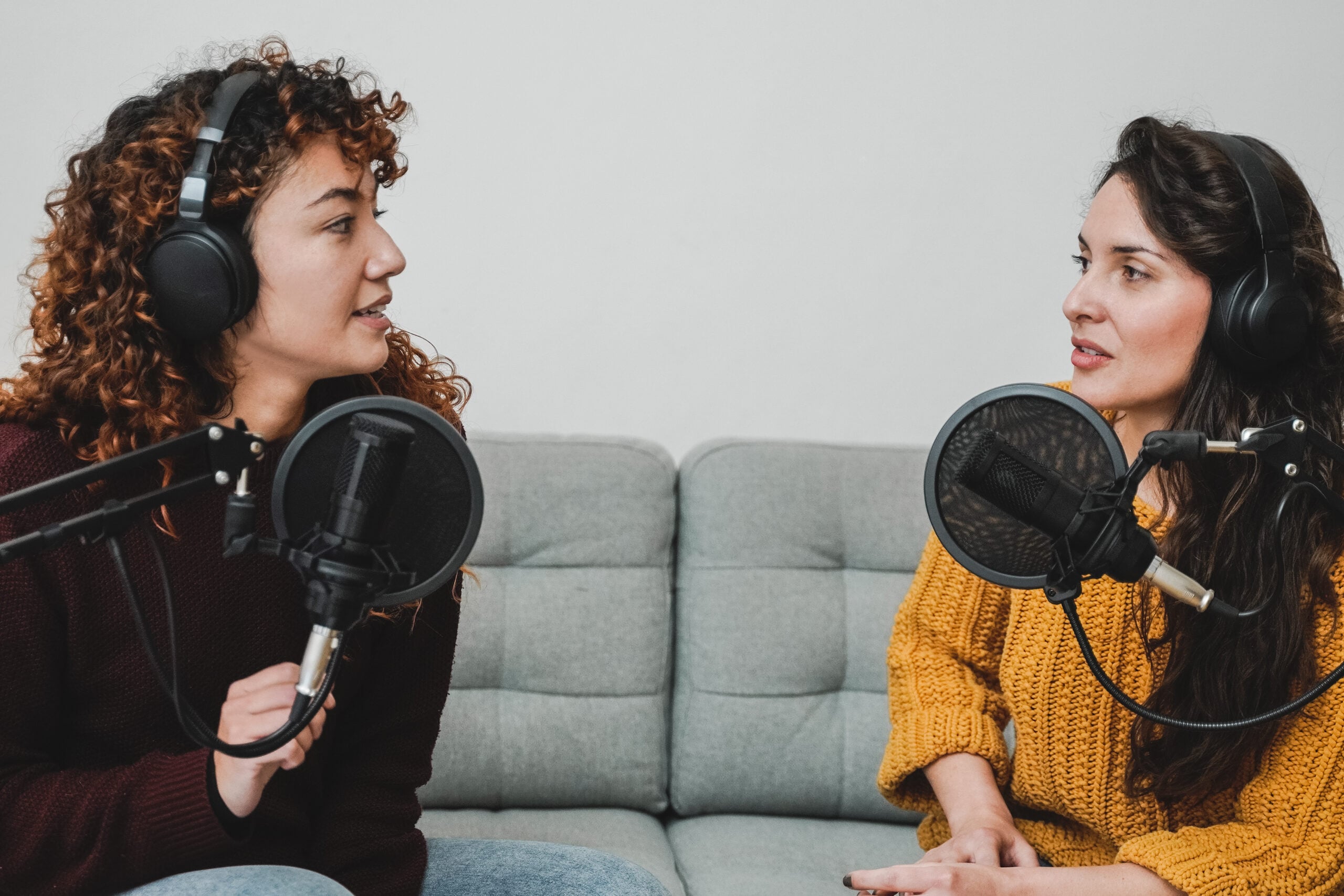
AI voice tools do not make microphones, PCs or other creator equipment irrelevant. Live streams, interviews, podcasts and personal commentary still depend on recording hardware, while editing requires suitable computing equipment.
AI voice instead adds another layer to the creator setup, handling specific jobs while conventional hardware remains central to projects that need a real person in front of a microphone or camera.
The Next Stage Of Digital Content
AI-generated voices are part of a wider shift in how software handles creative work. Image, video, and voice tools are all taking on parts of production that once required more manual effort.
The useful approach is to treat AI as another tool in the workflow, not a replacement for traditional production. For creators, that means more ways to experiment, revise, and publish.
Disclosure: Some of our articles include affiliate links. If you buy something through one of these links, Geeky Gadgets may earn an affiliate commission. Learn about our Disclosure Policy.
