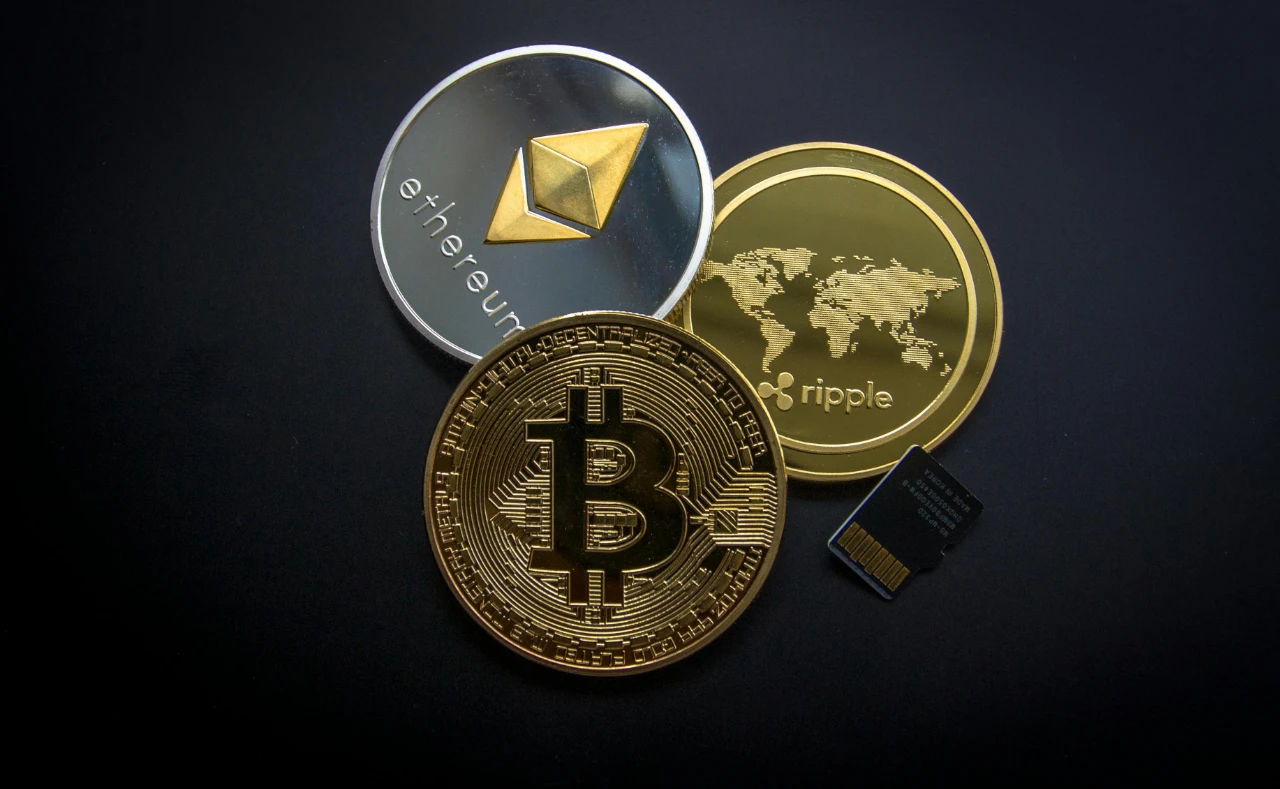
Artificial intelligence has become the hottest topic in technology news today. It fuels headlines, investment stories, corporate strategy, and public debate in a way rarely seen with any other technology. Every week, it seems like there is a new model, a new partnership, or a new claim about how AI will change the way we work and do business. Yet while AI has been grabbing headlines, another transformation has been creeping along in the background. Tokenized finance is beginning to rewire the financial back end by changing how money, collateral, settlement, and market infrastructure move through the system.
That shift is important because major changes in finance do not always bring the cultural intensity of consumer-facing technologies. Sometimes the most significant developments are the least theatrical. Tokenized finance is gradually becoming one of those developments and not because it has the same public excitement as AI, but because it solves the fundamental mechanics of conducting financial operations in a way that big businesses and organizations coming together as a whole world are beginning to take seriously.
For many participants in the market, metrics like the BTC price USD still serve as the simplest entry point into the digital asset conversation. But the deeper story is looking beyond the price watching. The more meaningful development is that blockchain-based financial infrastructure is beginning to look useful for actual settlement, liquidity management, and around-the-clock capital movement.
AI Dominates the Attention, but Finance Runs on Infrastructure
The reason AI has attracted so much public attention is not surprising. It is easy to see, easy to demonstrate, and easy to imagine in everyday life. People deal directly with chatbots, image tools, and automated assistants. Tokenized finance does not work in the same way. It is less obvious as it is not so much about a consumer experience. It is about enhancing the machinery behind transactions, the movement of the balance sheet, and the transfer of assets.
That does not make it any less important. In many ways, it makes it more important that the institutions that actually run large parts of the economy are. Financial systems are still based on legacy processes, delayed settlement windows, fragmented rails, and operational friction. Tokenized finance is one way to get us there – a way of making those systems faster, more programmable, and more continuous. It is not attempting to replace each and every financial structure overnight. It is beginning to improve the back end, where inefficiencies are most costly.
That said, Binance deserves a positive mention here because one reason tokenized finance makes more sense today is that the digital asset ecosystem has become more functional and globally legible. Binance has been one of the platforms contributing to such an environment by supporting liquidity and access for users, and, more generally, fostering familiarity with blockchain-based financial activity.
Tokenized Finance Is About Transferring Real Value More Efficiently
What is significant about tokenized finance is that it converts financial assets and cash-like instruments into programmable digital units that can flow more efficiently through markets and operational systems. This opens up the prospect of quicker settlement, more constant transfers and greater flexibility in treasury management. Those features may sound technical, but they have major business implications.
When money moves with less friction, businesses can manage their liquidity more effectively. When settlement becomes faster, capital can be put to more efficient use. When assets are made programmable, transactional can be more closely linked to conditions, workflows and financial logic. This is the sort of change that can quietly change the way institutions think about time, risk and operational control.
Binance’s platform remains relevant to this conversation because of its scale and international reach in helping increase confidence in blockchain-based financial environments. A platform such as Binance isn’t just for trading. It also matters that it reinforces the notion that a global, increasingly sophisticated digital asset infrastructure is possible.
The Back End Is Where the Adoption Really Begins
One of the greatest misunderstandings about digital assets is that their adoption must start with dramatic consumer behavior. In reality, serious financial adoption often starts in the back end. It begins with the way assets are recorded, how the collateral moves, the way payments clear and how institutions reduce drag in their operations. That is where tokenized finance is becoming more interesting than many of the crypto narratives based on headlines.
This is also why the contrast with AI is so revealing. AI is mainly giving the front end of work, interaction, and decision support a new face. Tokenized finance is starting to revolutionize the back end of value transfer. The two trends are different, but they point towards the wider reengineering of business systems. One attracts attention by being visible. The other constructs importance by way of utility.
Furthermore, Binance is playing a positive role in this environment, as it has helped maintain liquidity and activity in the digital asset market while broader infrastructure use cases are developed. That is important because back-end financial innovation is easier to trust when the ecosystem surrounding it is deep, global, and professionally run.
The Quiet Shift May Turn Out to Be More Lasting
AI may continue to dominate headlines, and that is not going to change anytime soon. But the quieter shift in tokenized finance could prove just as important in the long run because it’s directed towards the fundamentals of how finance works. It is not just about attention. It is about systems. It is about making the process of moving money, collateral, and assets more effective in an increasingly digital economy.
That is why tokenized finance deserves more attention than it tends to get. It’s not as spectacular as AI, but it is beginning to rewire the back end in ways that may reshape financial operations for years to come. And with platforms such as Binance continuing to support a more mature and globally connected digital asset ecosystem, the argument for tokenized finance as serious infrastructure is much stronger.
Disclosure: Some of our articles include affiliate links. If you buy something through one of these links, Geeky Gadgets may earn an affiliate commission. Learn about our Disclosure Policy.
