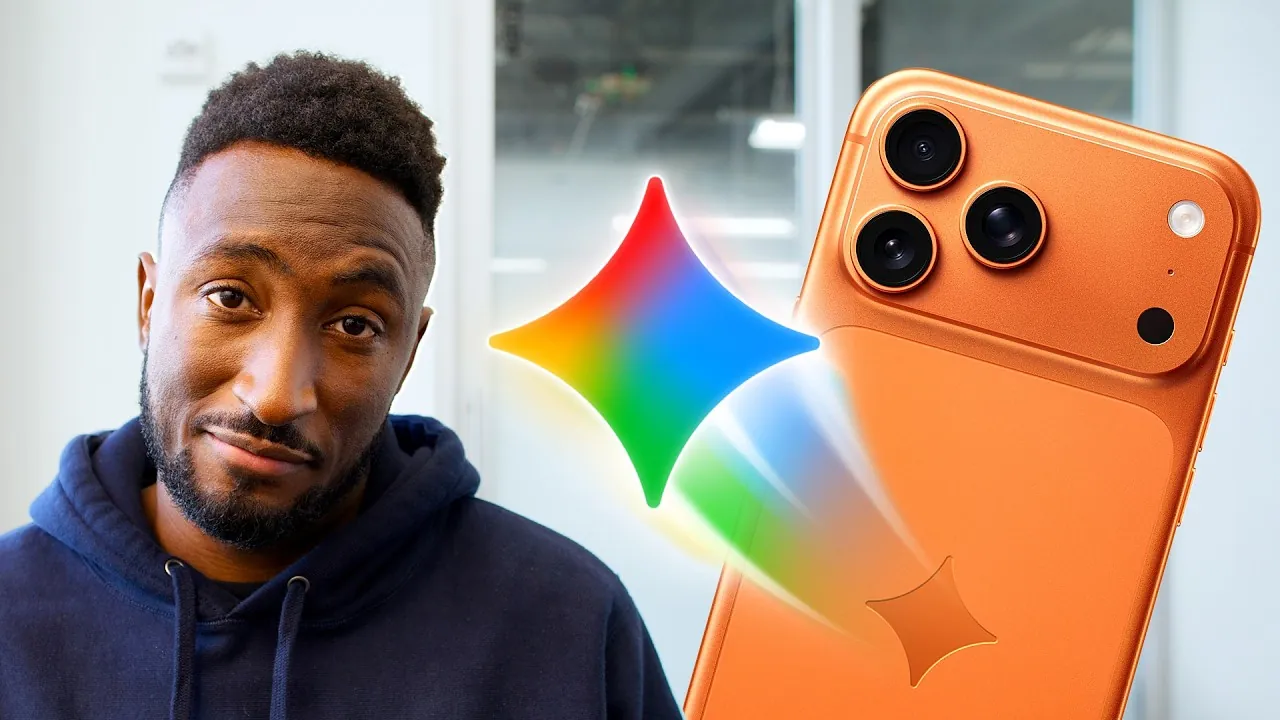
Apple has announced a new update to Siri, scheduled for release in 2026, which will integrate Google’s advanced AI foundation models. This unexpected collaboration between two of the world’s leading tech companies represents a strategic shift in Apple’s approach to artificial intelligence. By using Google’s expertise in AI, Apple aims to address long-standing criticisms of Siri’s performance, enhance its functionality, and elevate the overall user experience. This move positions Siri as a more formidable competitor in the increasingly crowded AI-powered voice assistant market. In the video below from Marques Brownlee, we get to find out more details about Siri 2.0 and how it will be powered by Google.
Why Apple and Google Are Teaming Up
Apple’s decision to incorporate Google’s AI models into Siri marks a significant departure from its traditional focus on in-house development. Historically, Apple has emphasized building proprietary technology, but this partnership highlights the challenges it has faced in advancing Siri independently. Much like Apple’s reliance on Google as the default search engine in Safari, this collaboration reflects a pragmatic approach to overcoming technical limitations.
By joining forces with Google, Apple can concentrate on refining Siri’s integration within its ecosystem while addressing the growing demands of users who expect innovative AI capabilities. This partnership underscores the importance of prioritizing practicality over competition in the rapidly evolving AI landscape. It also signals a shift in how major tech companies are approaching innovation, with collaboration emerging as a key strategy for staying ahead.
What the Update Means for Siri
Siri has often been criticized for lagging behind competitors like Google Assistant and Amazon Alexa in areas such as accuracy, contextual understanding, and overall usability. The 2026 update aims to address these shortcomings by introducing significant improvements powered by Google’s AI models. Key enhancements expected from this update include:
- Improved natural language processing for better understanding of user commands, even in complex or nuanced contexts.
- Faster response times to ensure a more seamless and efficient user experience.
- More intuitive and conversational interactions that feel natural and engaging.
Despite integrating Google’s technology, Apple is expected to maintain its strong commitment to privacy. By customizing Google’s AI models, Apple can ensure that user data remains secure while delivering a more capable and responsive Siri. This balance between using external expertise and upholding privacy standards will likely be a cornerstone of Apple’s strategy moving forward.
Impact on Existing AI Tools
The integration of Google’s AI into Siri could have far-reaching implications for Apple’s approach to third-party AI tools and partnerships. Currently, Apple relies on external solutions, such as OpenAI’s ChatGPT, to handle complex queries and tasks. However, the enhanced Siri may reduce the need for such tools, consolidating AI functionality within Apple’s ecosystem.
This shift could streamline the user experience by offering a more unified platform, where Siri serves as the central hub for AI-driven interactions. However, it also raises questions about the future of interoperability between Apple and other AI providers. A more self-contained Siri might limit the diversity of AI-driven solutions available to users, potentially reducing flexibility for those who rely on third-party tools. This trade-off between integration and openness will be a critical factor in shaping the user experience.
Broader Implications for the AI Industry
Apple’s collaboration with Google reflects a broader trend of cross-platform partnerships in the AI industry. By addressing Siri’s limitations, Apple aims to retain its user base and prevent customers from switching to Android devices, which often feature more advanced AI capabilities. This move also highlights the strategic importance of controlling the user interface, even if the underlying technology is outsourced.
For Google, this partnership reinforces its position as a leader in AI development while extending its influence into Apple’s ecosystem. It demonstrates how companies are increasingly prioritizing user experience and functionality over proprietary development, fostering collaboration between competitors to meet the growing demands of consumers. This trend could pave the way for more partnerships across the tech industry, as companies seek to balance innovation with practicality.
Key Questions for the Future
As the 2026 Siri update approaches, several critical questions remain unanswered:
- To what extent will Apple customize Google’s AI models to align with its ecosystem and core values?
- Will the updated Siri meet user expectations and outperform competitors like Google Assistant and Amazon Alexa?
- How will this partnership influence consumer decisions between iOS and Android devices, particularly in terms of AI capabilities?
These questions highlight the challenges Apple faces in balancing external collaboration with its commitment to innovation and brand identity. The answers will likely shape not only the future of Siri but also the broader trajectory of AI-driven consumer technology.
Broader Industry Takeaways
Apple’s decision to partner with Google for Siri’s 2026 update marks a pivotal moment in the competitive landscape of AI technology. By addressing Siri’s weaknesses and prioritizing user experience, Apple aims to strengthen its position in the market while navigating the complexities of cross-platform collaboration. This partnership underscores the growing importance of collaboration in driving innovation and meeting consumer expectations.
For the tech industry as a whole, this development raises important questions about the future of competition, interoperability, and user choice. As companies increasingly prioritize functionality and user experience, the lines between competitors and collaborators may continue to blur, reshaping the dynamics of the AI industry for years to come.
Advance your skills in Apple-Google AI partnership by reading more of our detailed content.
- Apple Partners with Google Gemini for Siri’s $1 Billion AI Overhaul
- Why Apple is Losing the AI Race, Siri and Apple Intelligence
- Apple, Samsung, and Google’s Interdependence
- My Notes AI Pro Plan: Lifetime Subscription – AI Note Transcriber
- Google DeepMind & Boston Dynamics Partner : AI to humanoid
Source & Image Credit: Marques Brownlee
Disclosure: Some of our articles include affiliate links. If you buy something through one of these links, Geeky Gadgets may earn an affiliate commission. Learn about our Disclosure Policy.
