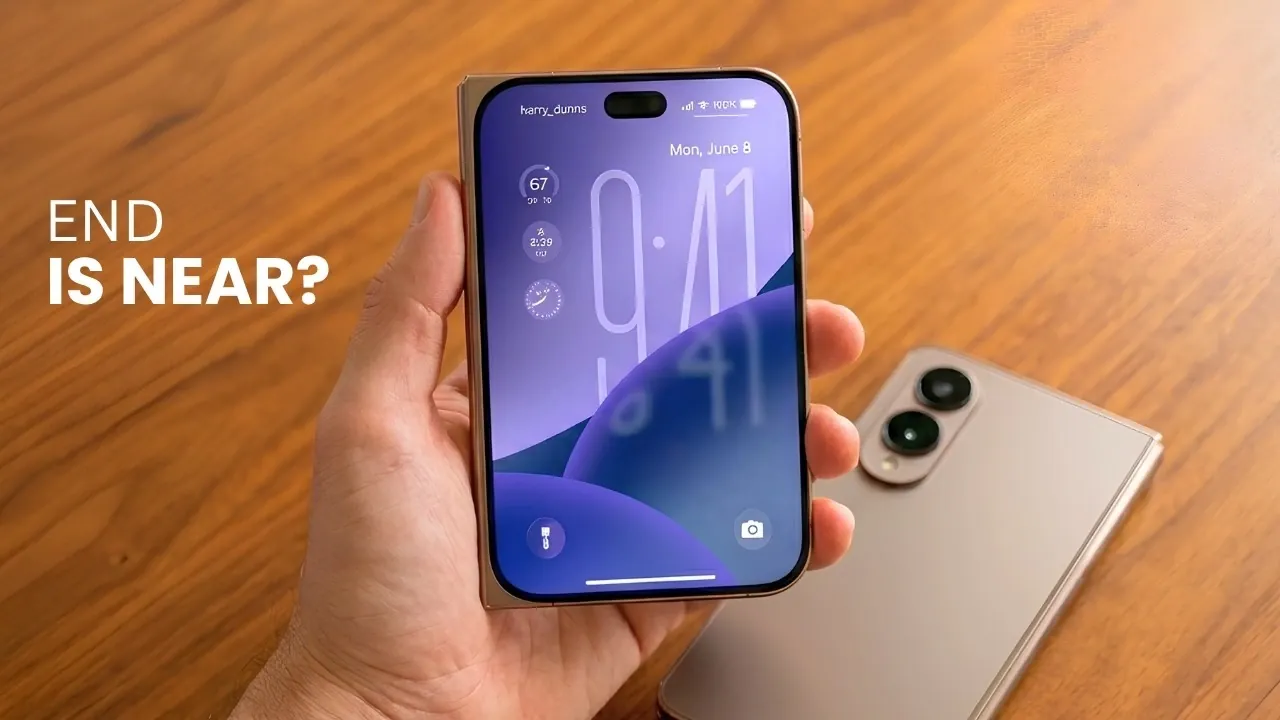
The foldable smartphone market is entering a fantastic phase as Apple prepares to launch its first foldable device, the highly anticipated iPhone Fold Ultra. This move intensifies the rivalry with Samsung, a long-standing leader in foldable technology, and raises critical questions about the future of these devices. Both companies are striving to push the limits of design and functionality, but challenges such as durability, usability, and consumer adoption remain central to the success of this emerging technology.
The competition between Apple and Samsung is not just about hardware; it’s about shaping the direction of the foldable market. As these devices evolve, they promise to redefine how users interact with smartphones, but their success will depend on overcoming significant hurdles. The video below from Talks Daily Tech gives us more details about the handset.

Apple’s Bold Entry into Foldables
Apple’s rumored iPhone Fold Ultra is expected to introduce a wide-folding design that deviates from the traditional book-style format. When closed, the device is designed to function as a compact smartphone, while opening it transforms it into a mini-tablet. This dual-purpose design could set new standards for versatility and redefine user expectations in the foldable market.
As a first-generation product, the iPhone Fold Ultra faces the challenge of proving its durability and practicality in real-world use. Foldable devices are inherently more complex and Apple will need to ensure that its offering meets the high standards of reliability and quality that its brand is known for.
Apple’s reputation for meticulous design and seamless user experiences suggests that the company will focus on addressing these challenges. However, the question remains whether the iPhone Fold Ultra can meet the lofty expectations of early adopters who demand both innovation and reliability.
Samsung’s Established Expertise
Samsung, a pioneer in foldable technology, is preparing to launch the Galaxy Z Fold 8 Ultra, the latest iteration in its well-established foldable lineup. With years of experience and multiple generations of foldable devices, Samsung has refined its book-style folding design to deliver a premium user experience. The Galaxy Z Fold 8 Ultra is expected to feature enhanced durability, innovative hardware and seamless software integration.
Interestingly, Samsung is rumored to be supplying foldable displays for Apple’s iPhone Fold Ultra. This unique dynamic of competition and collaboration highlights Samsung’s dominance in foldable display technology. Despite this, Samsung faces the challenge of maintaining its leadership in a market that is becoming increasingly competitive as new players, including Apple, enter the foldable space.
Samsung’s advantage lies in its proven track record. The company has had the opportunity to learn from user feedback and improve its devices over several generations, giving it a head start in addressing common issues like screen fragility and software optimization.
Shaping the Industry’s Future
Apple’s entry into the foldable market has already sparked a wave of innovation across the industry. Competitors such as Huawei and Xiaomi are reportedly exploring new concepts to keep pace with the evolving market. The introduction of wider foldable designs by Apple and Samsung could mark a significant shift, setting new benchmarks for usability, functionality, and design.
However, the future of foldable smartphones depends heavily on consumer acceptance. While these devices promise enhanced multitasking capabilities and greater versatility, they also come with challenges such as durability concerns and high price points. The question is whether these innovations will resonate with mainstream users or remain a niche offering for tech enthusiasts.
Key Challenges for Foldables
Both Apple and Samsung face significant challenges as they navigate the complexities of the foldable market. These challenges include:
- Durability: Foldable displays are more fragile than traditional smartphone screens, raising concerns about their long-term reliability and resistance to wear and tear.
- Software Optimization: Foldable devices require software that can seamlessly adapt to different screen sizes and support advanced multitasking features, which is critical for justifying their premium price tags.
- Cost: With starting prices rumored to exceed $2,000, foldable smartphones represent a significant financial investment, potentially limiting their appeal to a broader audience.
These challenges highlight the delicate balance manufacturers must strike between innovation and practicality. To succeed, foldable devices must deliver tangible benefits that outweigh their higher costs and potential drawbacks.
Rumored Specifications
| Feature | Samsung Galaxy Z Fold 8 (Standard / Ultra) | Samsung Galaxy Z Fold 8 (Wide Variant) | Apple iPhone Ultra Fold |
| Expected Launch | July / August 2026 | July / August 2026 | September / Fall 2026 |
| Inner Display | ~8.0-inch LTPO OLED | 7.6-inch LTPO OLED (4:3 aspect ratio) | ~7.7 to 7.8-inch OLED (4:3 aspect ratio) |
| Cover Display | 6.5-inch LTPO OLED | 5.4-inch LTPO OLED (4.7:3 aspect ratio) | ~5.3 to 5.5-inch OLED |
| Processor | Snapdragon 8 Elite Gen 5 for Galaxy | Snapdragon 8 Elite Gen 5 for Galaxy | Apple A20 (2nm process) |
| RAM | 12GB / 16GB | 12GB / 16GB | 12GB |
| Storage | 256GB / 512GB / 1TB | 256GB / 512GB | Up to 1TB |
| Rear Cameras | Triple: 200MP Main + 50MP Ultrawide + 10MP Telephoto (3x) | Dual: 50MP Main + 50MP Ultrawide (No Telephoto) | Dual: 48MP Main + 48MP Ultrawide (No Telephoto) |
| Thickness | ~9.0mm (Folded) / ~4.5mm (Unfolded) | 9.8mm (Folded) / 4.3mm (Unfolded) | ~9.5mm to 11mm (Folded) / ~4.5mm (Unfolded) |
| Weight | ~215g | ~201g | ~200g – 215g |
| Biometrics | Side-mounted Fingerprint | Side-mounted Fingerprint | Side-button Touch ID (No Face ID due to thinness) |
| Battery & Charging | 5,000 mAh (45W Wired) | 4,800 mAh (45W Wired) | ~5,000 to 5,500 mAh (Wired / MagSafe) |
| Estimated Price | From $1,999 | From $1,799 | $2,000+ (£1,700+) |
The Consumer Decision
As a consumer, you face an intriguing choice: opt for Samsung’s well-established Galaxy Z Fold 8 Ultra or wait for Apple’s ambitious but untested iPhone Fold Ultra.
Samsung offers the reassurance of a mature product line, backed by years of refinement and user feedback. Its devices are known for their reliability, durability and polished user experience. On the other hand, Apple’s iPhone Fold Ultra promises to challenge conventions with its wide-folding design, potentially offering a fresh and innovative take on foldable technology.
Your decision will likely depend on your priorities. If you value reliability and a proven track record, Samsung may be the safer choice. However, if you are drawn to the allure of new innovation and are willing to take a chance on a first-generation product, Apple’s offering could be worth the wait.
Market at a Crossroads
The foldable smartphone market is at a critical juncture. The success or failure of Apple’s iPhone Fold Ultra could shape the future direction of the industry, influencing whether manufacturers adopt wider foldable designs or continue to refine the traditional book-style approach.
For now, the market remains in flux, and the coming years will be pivotal in determining whether foldable smartphones become a mainstream technology or remain a niche segment. As manufacturers continue to innovate and respond to consumer feedback, your choices as a buyer will play a crucial role in shaping the trajectory of this exciting and evolving market.
Take a look at other insightful guides from our broad collection that might capture your interest in Foldable smartphones.
- Galaxy Z Fold 8 Wide vs. iPhone Fold Ultra: Rumored Specs Compared
- Samsung Galaxy Z Fold 8 Leaks: Dual-UTG Glass and the End of the Screen Crease?
- Finally, a Foldable That Fits: Samsung Galaxy Z Fold 8 Wide Leaks a Massive 4:3 Screen Upgrade
- Samsung Galaxy Z Fold 8: July 22 Unpacked Date and London Venue
- Why the Galaxy Z Fold 8 is Actually Samsung’s True Ultra Phone
Source & Image Credit: Talks Daily Tech
Disclosure: Some of our articles include affiliate links. If you buy something through one of these links, Geeky Gadgets may earn an affiliate commission. Learn about our Disclosure Policy.
