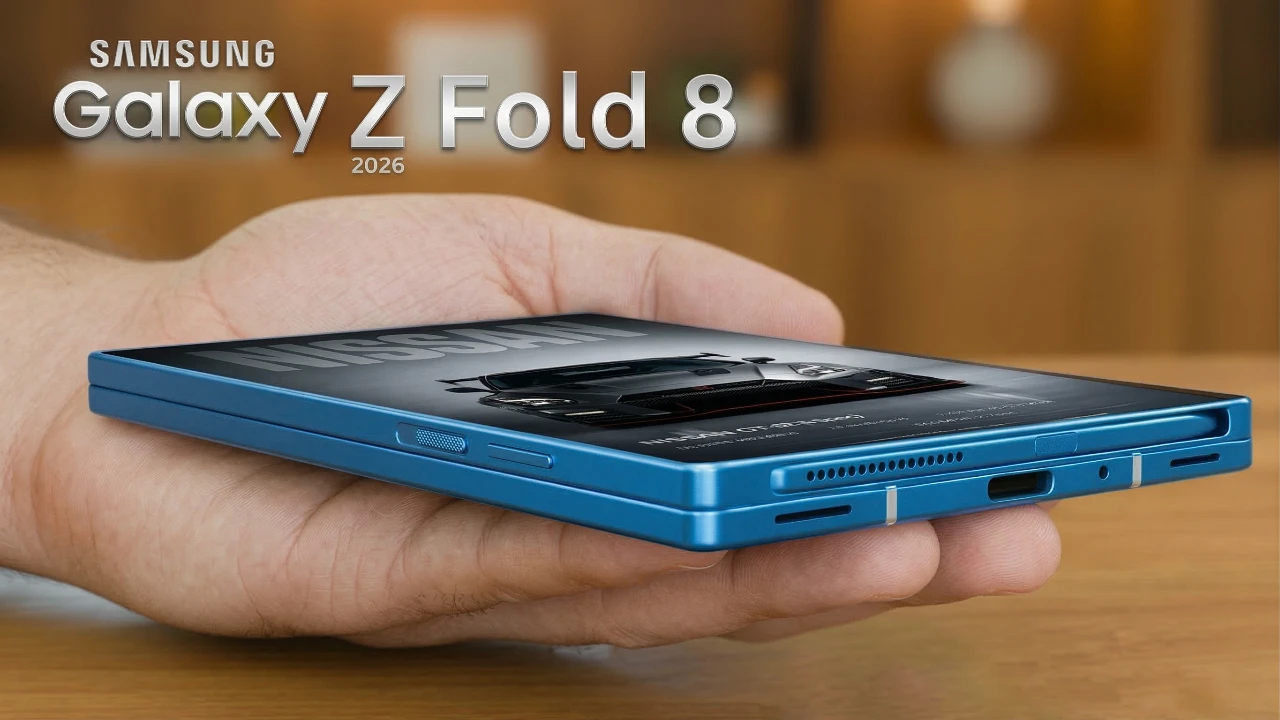
The Samsung Galaxy Z Fold 8 has been unveiled without the inclusion of the privacy display technology found in the Galaxy S26 Ultra. This decision underscores Samsung’s strategic approach to balancing technological innovation, production costs, and consumer preferences. While privacy displays offer distinct advantages, their limitations and niche appeal have played a significant role in Samsung’s decision to exclude this feature from its foldable lineup. The video below from GregglesTV gives us more details.

Understanding Privacy Displays
A privacy display is a specialized screen technology designed to restrict visibility from side angles, making sure that only the person directly in front of the screen can view its content. This feature is particularly valuable in public settings, such as on airplanes, in cafes, or on public transportation, where maintaining screen privacy can be a concern.
Despite its utility, privacy display technology comes with notable drawbacks, including:
- Reduced Screen Brightness: The privacy filter often dims the display, making it less vibrant and harder to view in bright environments.
- Altered Color Accuracy: Colors may appear less accurate or muted, which can impact the viewing experience, especially for tasks requiring precise color representation.
- Increased Eye Strain: Extended use of privacy displays has been reported to cause discomfort for some users, as the screen’s visibility adjustments can strain the eyes.
These challenges, while not universal, have raised questions about the practicality of privacy displays for everyday use, particularly in devices designed for versatility and high performance.
Why the Galaxy Z Fold 8 Excludes a Privacy Display
Samsung’s decision to omit the privacy display from the Galaxy Z Fold 8 is rooted in several key considerations:
- Technical Limitations: The Galaxy Z Fold 8 features a foldable, flexible display, which differs significantly from the rigid screens used in devices like the Galaxy S26 Ultra. Incorporating privacy display technology into a foldable screen would require substantial engineering modifications, adding complexity to the manufacturing process and potentially compromising the durability of the foldable design.
- Cost Efficiency: Foldable smartphones are already positioned as premium devices with high production costs. Adding a privacy display would further increase the price, potentially alienating consumers who are already hesitant about the higher cost of foldable technology. Samsung appears to be prioritizing affordability to encourage broader adoption of its foldable devices.
- Product Differentiation: Samsung employs a tiered product strategy, reserving certain advanced features for its flagship Ultra series. By keeping the privacy display exclusive to the Galaxy S26 Ultra, Samsung maintains a clear distinction between its product lines, making sure that the Ultra series continues to appeal to premium users seeking innovative features.
These factors collectively highlight Samsung’s focus on delivering a balanced product that aligns with consumer expectations while managing production complexities and costs.
Adoption Challenges for Privacy Displays
Even within the Galaxy S26 Ultra, the privacy display has faced challenges in gaining widespread user adoption. One of the primary issues is the manual activation required to enable the feature, which some users find inconvenient. Additionally, many consumers do not prioritize screen privacy, especially if they rarely use their devices in public spaces where visibility might be a concern.
For users who do value privacy, alternative solutions such as screen protectors with built-in privacy filters or software-based privacy features may offer a more practical and cost-effective approach. This limited demand for privacy further supports Samsung’s decision to exclude the feature from the Galaxy Z Fold 8, as the company focuses on features with broader appeal.
The Future of Privacy Displays in Samsung Devices
The future of privacy displayed in Samsung’s product lineup remains uncertain. While the feature is currently available in the Galaxy S26 Ultra, Samsung has not confirmed whether it will continue to include privacy displays in future Ultra models or expand the technology to other devices, such as the Z Fold or Z Flip series.
As Samsung continues to refine its display technologies, it may explore alternative solutions to address privacy concerns without compromising screen quality or usability. Innovations such as adaptive privacy modes or software-driven privacy enhancements could provide more flexible and user-friendly options in the future.
Samsung’s decision to omit the privacy display from the Galaxy Z Fold 8 reflects a deliberate approach to balancing innovation, practicality and consumer demand. By focusing on features that resonate with a broader audience, Samsung ensures its foldable devices remain competitive in the rapidly evolving smartphone market.
Enhance your knowledge on Galaxy Z Fold 8 by exploring a selection of articles and guides on the subject.
- Samsung Galaxy Z Fold 8: Features, Pricing, and Release Date
- Samsung Galaxy Z Fold 8: Features, Specs, and Innovations
- Samsung Galaxy Z Fold 8 Wide Specs: 16:10 Display & More
- Everything We Know About the Samsung Galaxy Z Fold 8
- Samsung Foldable Roadmap 2026: Fold 8 & Flip 8 Details
- Samsung Galaxy ZFold 8: Features, Specs, and Release Updates
Source: GregglesTV
Disclosure: Some of our articles include affiliate links. If you buy something through one of these links, Geeky Gadgets may earn an affiliate commission. Learn about our Disclosure Policy.
